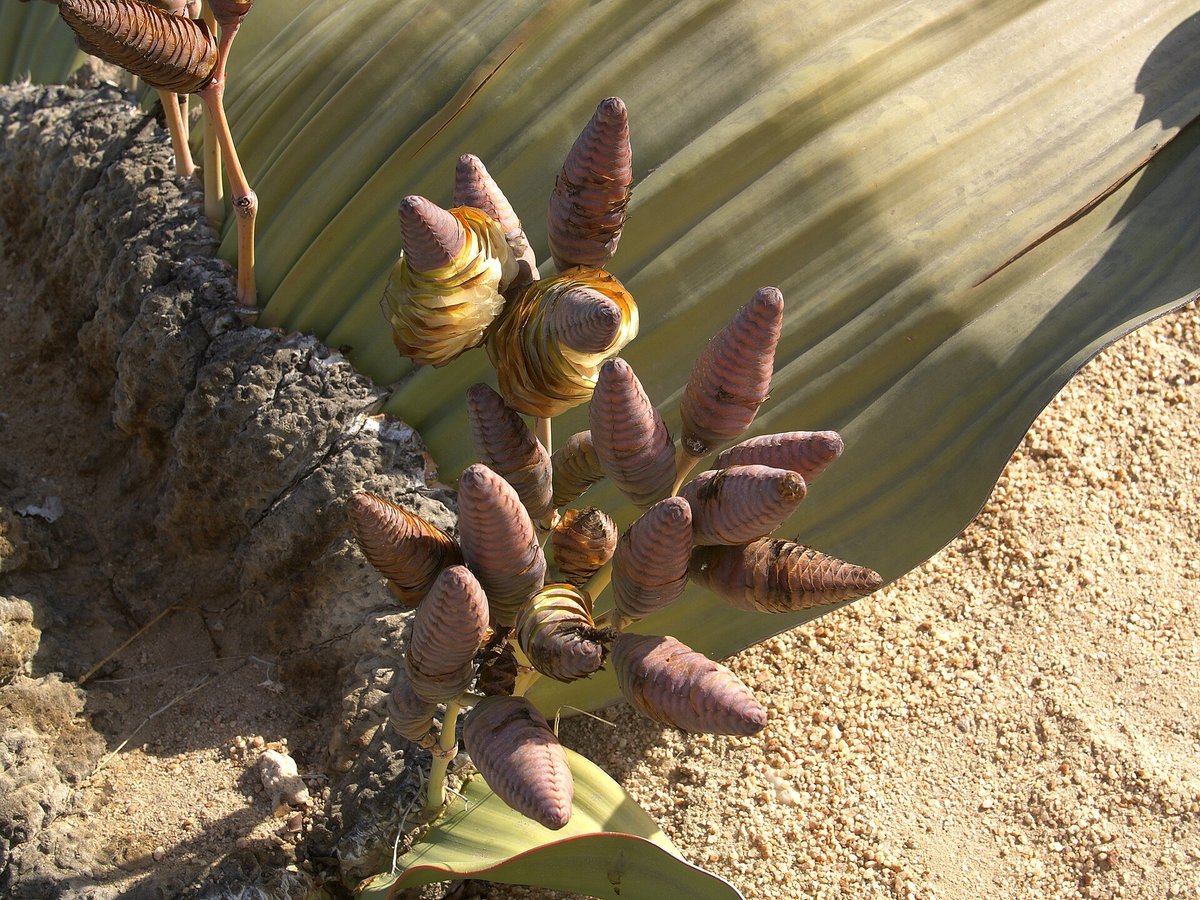
Welwitschia Mirabilis Living Fossil Desert — Namib
The Welwitschia mirabilis plant of the Namib Desert is one of the world's most extraordinary organisms — a gymnosperm that is neither tree nor shrub nor herb, with only two leaves which split and shred over the plant's lifetime, growing continuously for 1,000–2,000 years in one of the world's driest environments. Individual plants at the Welwitschia Plain in Damaraland are carbon-dated to over 1,500 years, making them among the oldest individual plants on Earth. The plant's appearance — a central woody disc with multiple tattered grey-green leaf ribbons radiating outward across the desert gravel, the whole structure half-buried and ancient-looking — is unlike any other plant form in the world. The combination of the Namib Desert's visual drama and the geological improbability of a Triassic-lineage organism surviving into the present creates one of Namibia's most resonant natural experiences.
About this spectacle
Standing before a Welwitschia mirabilis is a genuinely disorienting experience. From a distance the plant looks like a pile of grey-green rags dumped on the gravel desert — closer inspection reveals a single woody disc, low and ancient, from which two primordial leaves have been splitting, shredding and curling outward across the stones for over a thousand years. In the hard morning light of the Namib, the plant's tattered ribbons cast sharp shadows on the pale gravel, and the silence is absolute except for wind moving the leaf edges. The scale is deceptive: what looks small from a few metres away may be older than many European cathedrals. The surrounding Welwitschia Plain stretches flat in every direction, the Erongo mountains hazed in the distance, the isolation emphasising that this organism is a survivor of Triassic lineage somehow still photosynthesising in one of Earth's driest environments. The morning air is cool and clear, the colours muted gold and grey, and the sense of geological time is overwhelming.
When to go
Jan — Dec, peak May — Sep
Getting there
Nearest airport: WVB. Nearest city: Swakopmund.
Booking options
Goyova doesn't process bookings directly. When you tap "Plan this trip" in the app, you'll see options from our partner providers — accommodation, tours, transport — with affiliate links where applicable. See our affiliate disclosure for details.
More like this.
 Peak season
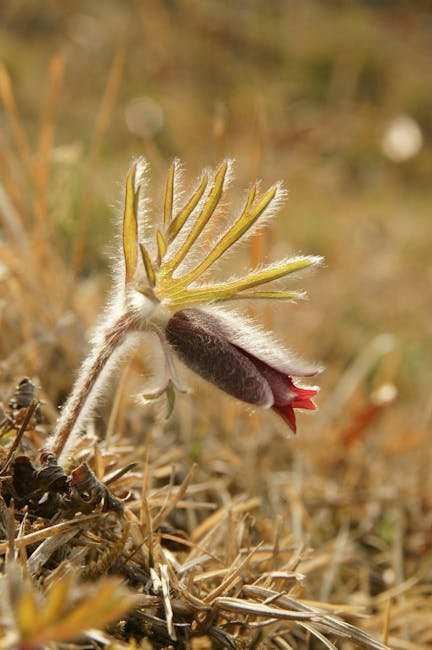
 Adonisröschen-Blüte Karlstadter Trockenrasen
Germany
 Peak season
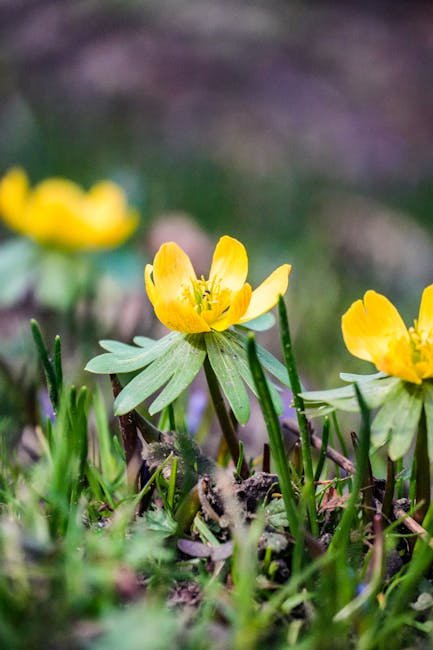
 Adonisröschen-Blüte Kyffhäuser
Germany
 Peak season
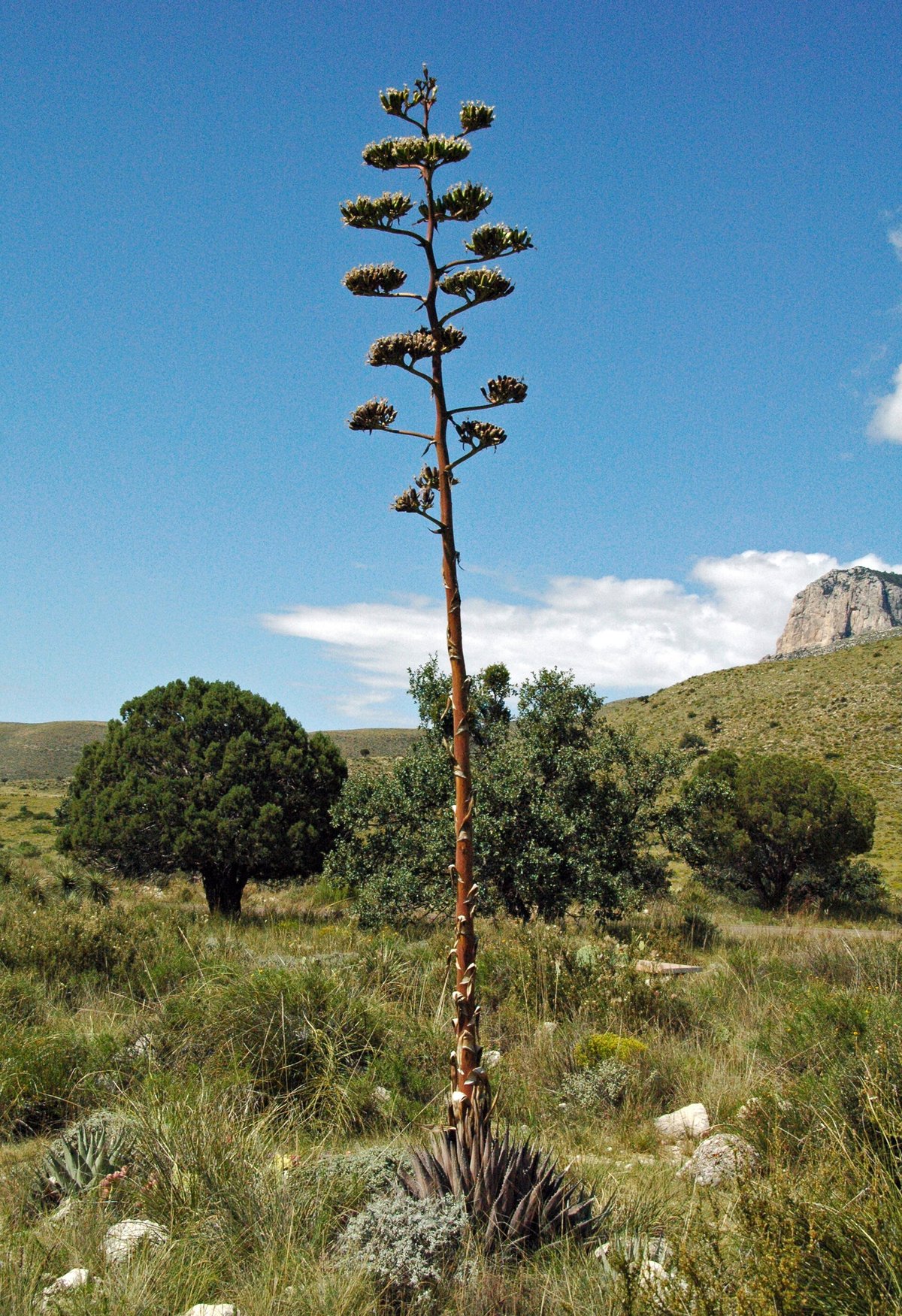
 Agave Century Plant Mass Bloom — Oaxaca Mexico
Oaxaca City, Oaxaca, Mexico