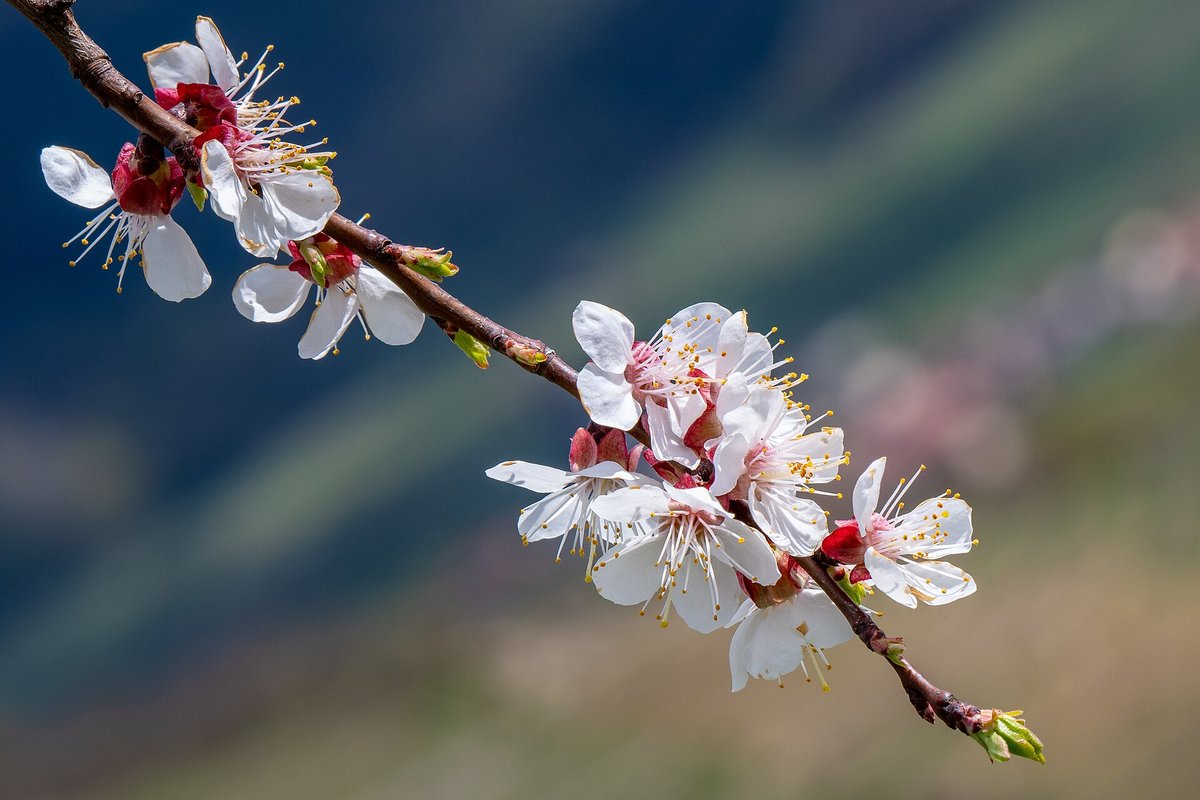
Wachau Apricot Blossom — Danube Valley
Each March, the steep terraced hillsides of the Wachau valley between Krems and Melk in Lower Austria explode in a brief but overwhelming display of apricot blossom — tens of thousands of trees planted on the ancient Roman terraces above the Danube turning the valley's south-facing slopes into a continuous pink-and-white cloud against the backdrop of medieval monastery towers and the river below. The Wachau apricot has been cultivated here since the 16th century and the trees bloom two to three weeks earlier than almost anywhere else in Austria due to the valley's unique microclimate, making this one of Central Europe's most fleeting and dramatic spring events. Cycling the Danube Cycle Path through the heart of the blossom, with the honey-scented air, monastery bells from Melk Abbey, and the broad silver Danube below, is one of Austria's great spring experiences. The entire Wachau is a UNESCO World Heritage Cultural Landscape, and the combination of blossom, medieval architecture, terraced vineyards, and river scenery is unmatched in the Alpine region. The bloom window is typically just ten to fourteen days — arriving at the wrong time means missing it entirely.
About this spectacle
Standing on the ancient Roman terraces of the Wachau, visitors in mid-March find themselves surrounded by a continuous wash of pink and white apricot blossom stretching across steep south-facing hillsides above the Danube. The air is thick with a honey-sweet fragrance, and monastery bells drift across the valley from Melk Abbey. The blossom arrives two to three weeks before most of Austria awakens to spring, making the scene feel startlingly early and all the more precious. Cycling the Danube Cycle Path through this corridor, riders pass beneath arching blossom boughs with the broad silver river glinting below and medieval towers rising behind. The combination of flowering terraced hillsides, stone monastery facades, and the wide Danube creates a layered visual panorama that rewards both wide-angle landscape photography and intimate close-ups of the delicate flowers. Because the bloom window is only ten to fourteen days, the atmosphere carries a heightened awareness — visitors know the spectacle is fleeting, which concentrates attention and emotion. Morning light rakes warmly across the terraces, illuminating the blossoms against blue sky and river.
When to go
Jan — Dec, peak Mar
Getting there
Nearest airport: VIE. Nearest city: Krems an der Donau.
Booking options
Goyova doesn't process bookings directly. When you tap "Plan this trip" in the app, you'll see options from our partner providers — accommodation, tours, transport — with affiliate links where applicable. See our affiliate disclosure for details.
More like this.
 Peak season
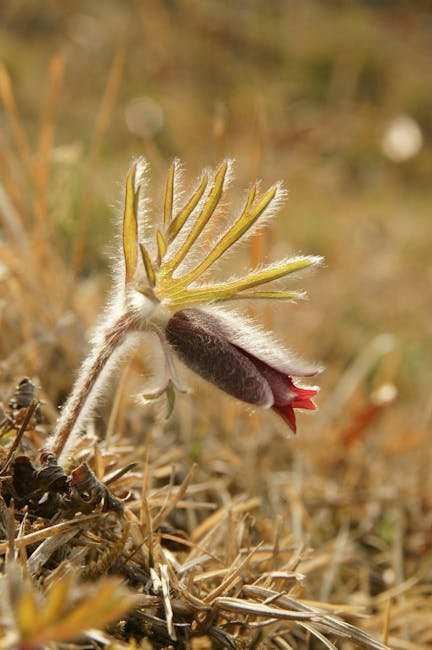
 Adonisröschen-Blüte Karlstadter Trockenrasen
Germany
 Peak season
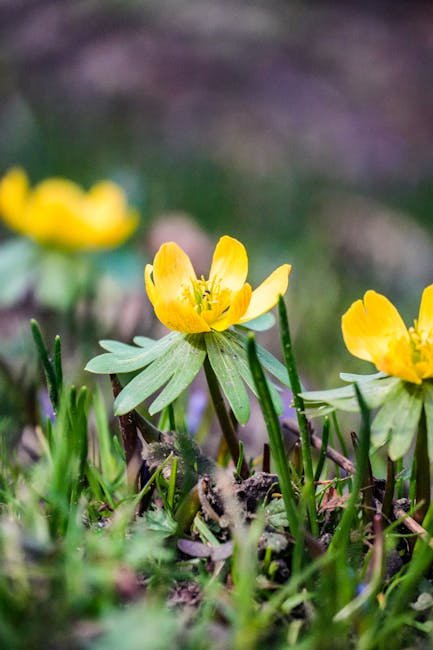
 Adonisröschen-Blüte Kyffhäuser
Germany
 Peak season
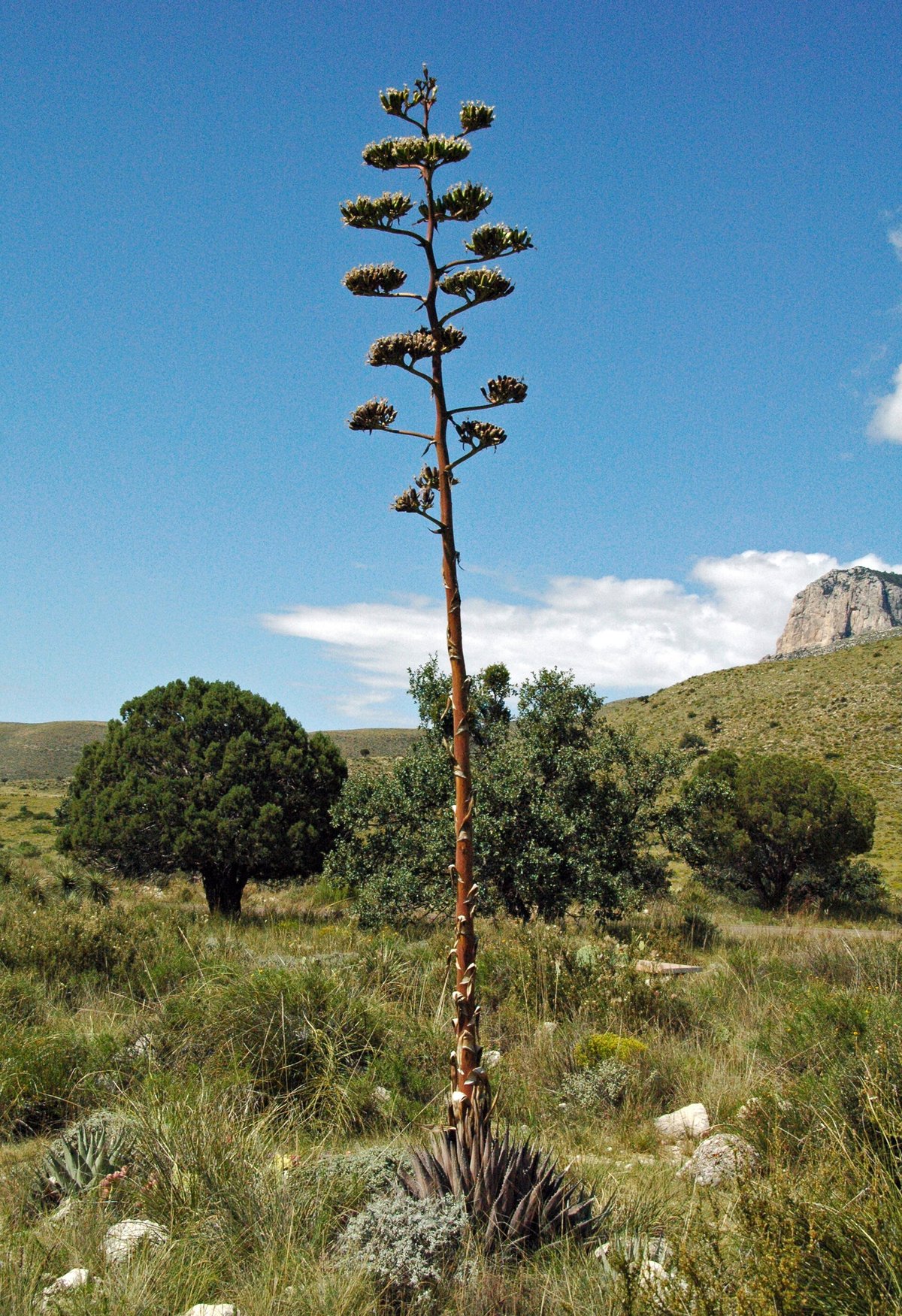
 Agave Century Plant Mass Bloom — Oaxaca Mexico
Oaxaca City, Oaxaca, Mexico