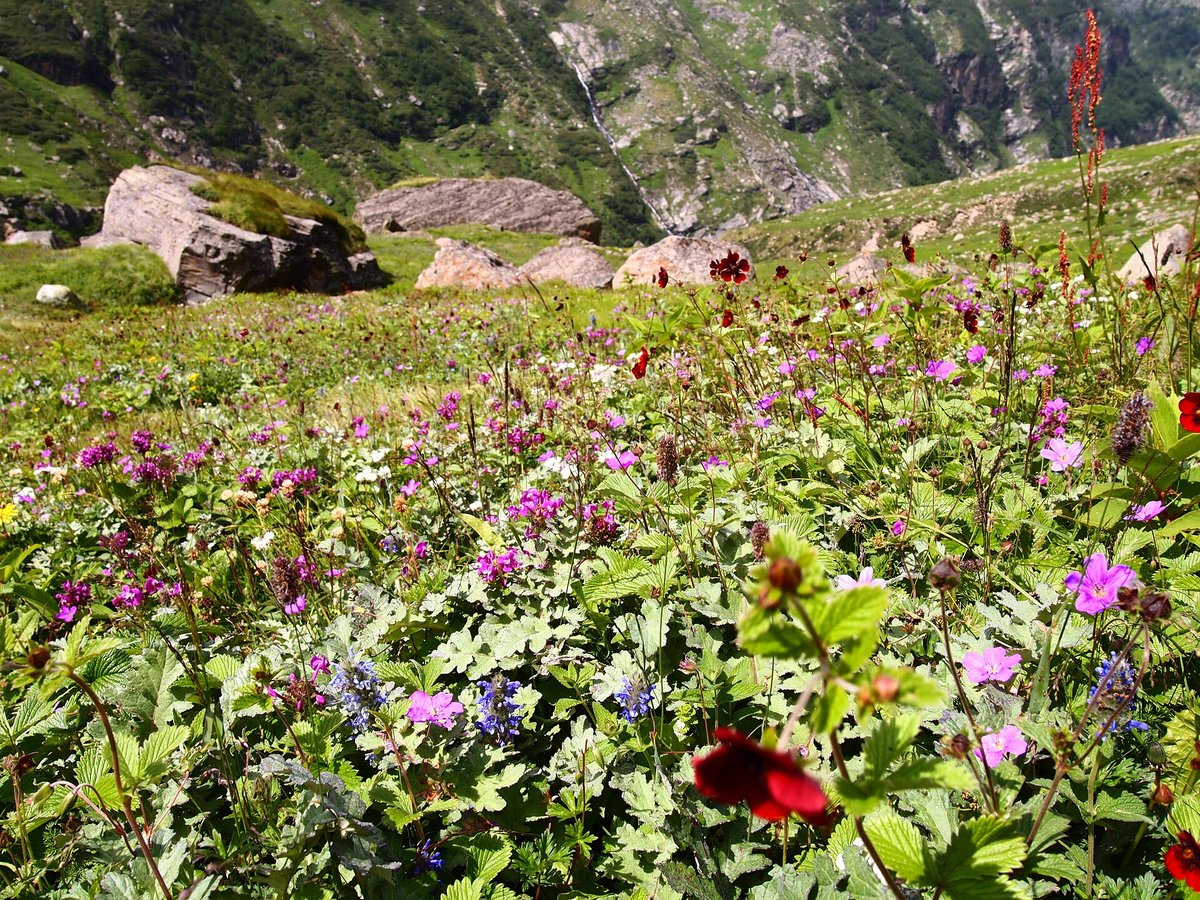
Valley of Flowers Alpine Bloom — Uttarakhand India
The Valley of Flowers National Park in Uttarakhand's Chamoli district — a 6-kilometre-long glacially-carved valley at 3,500–3,600 metres surrounded by 6,000-metre peaks — floods with over 500 alpine wildflower species during the monsoon bloom from July through September, transforming a valley that is snow-covered for 9 months into a dense flower garden. The combination of Brahmakamal (Saussurea obvallata, the sacred lotus of the Himalayas), blue poppies (Meconopsis aculeata), cobra lilies, primulas, and Himalayan anemones creates a botanical density that rivals any alpine meadow in the world, and the valley's 1931 discovery by mountaineer Frank Smythe introduced it to the wider world with descriptions of 'paradise' that subsequent visitors consistently validate. The 4-kilometre approach walk from Ghangaria through forest of rhododendron and oak provides the transition from human settlement to wilderness that makes the valley's opening feel genuinely revelatory.
About this spectacle
Standing at the entrance to the Valley of Flowers, visitors confront a sudden and total transformation: the forested trail from Ghangaria opens onto a 6-kilometre sweep of open valley floor dense with bloom. At 3,500–3,600 metres, the air is thin and cool even in July, and the landscape is ringed by snow-streaked peaks rising to 6,000 metres. The valley floor shifts in colour week by week through July, August, and September — Brahmakamal rosettes clustered on rocky ledges, blue Himalayan poppies catching the morning light, cobra lily spathes rising from boggy patches, and primula carpets filling the lower reaches. The sound is of wind, meltwater streams, and occasional Himalayan birds. The 4-kilometre walk from Ghangaria through rhododendron and oak forest builds anticipation before the valley opens fully. Morning visits reward photographers with soft directional light across the flower masses and reduced afternoon cloud typical of monsoon days. The density and variety — over 500 species — means every step reveals something new. This is a slow, absorbing visit requiring patience and a willingness to crouch low for close detail.
When to go
Jul — Oct, peak Jul — Sep
Getting there
Nearest airport: DED. Nearest city: Rishikesh.
Booking options
Goyova doesn't process bookings directly. When you tap "Plan this trip" in the app, you'll see options from our partner providers — accommodation, tours, transport — with affiliate links where applicable. See our affiliate disclosure for details.
More like this.
 Peak season
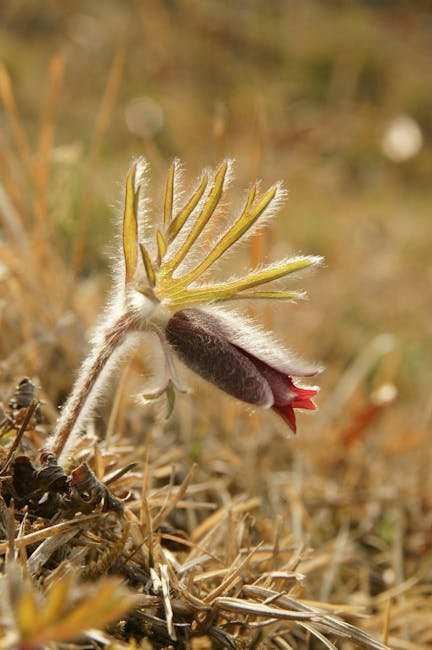
 Adonisröschen-Blüte Karlstadter Trockenrasen
Germany
 Peak season
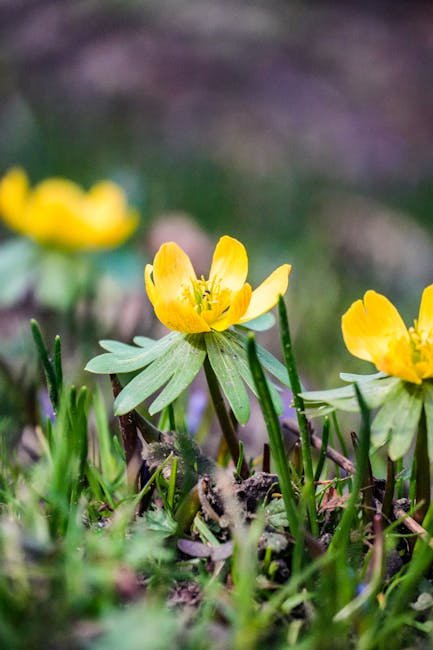
 Adonisröschen-Blüte Kyffhäuser
Germany
 Peak season
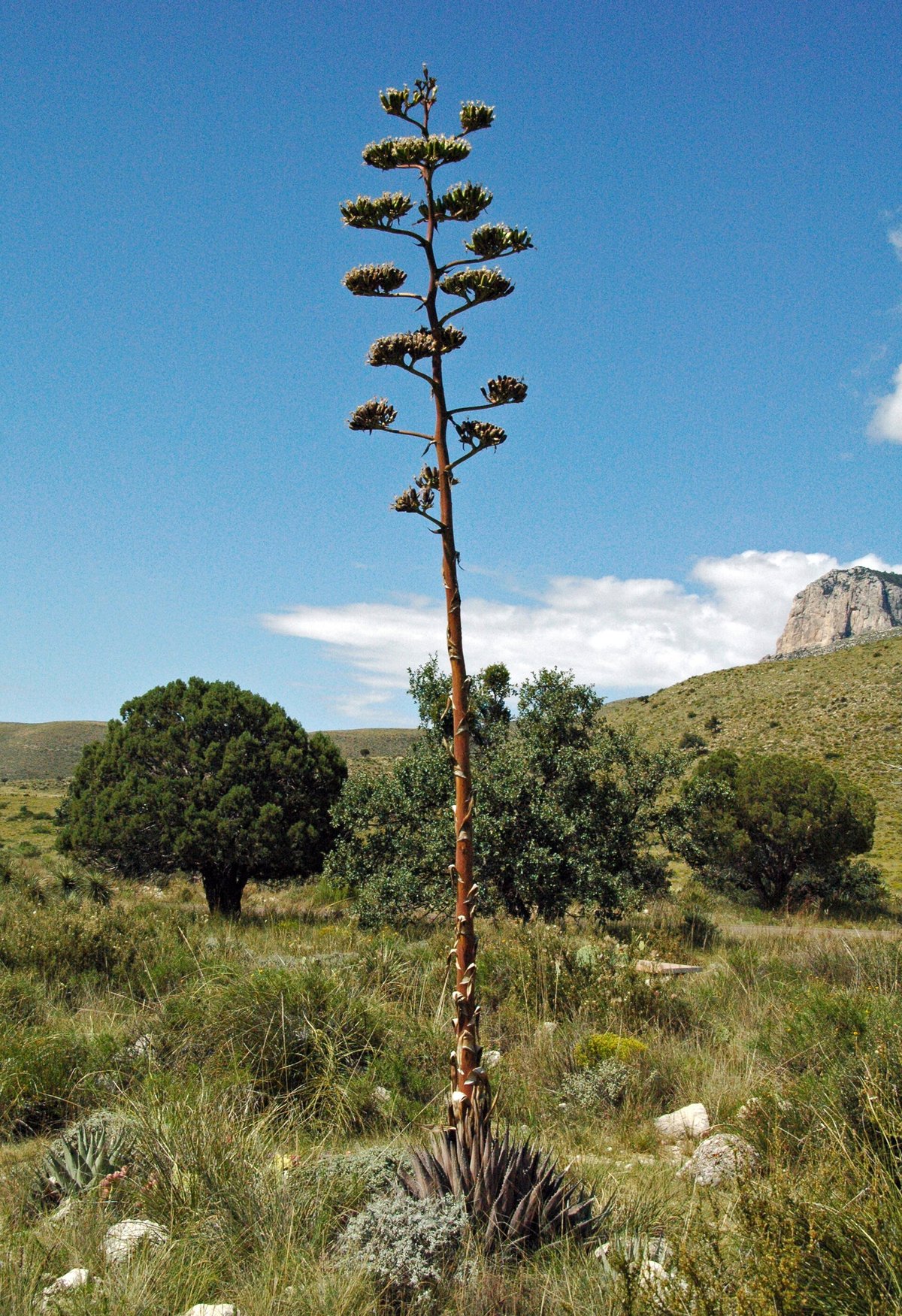
 Agave Century Plant Mass Bloom — Oaxaca Mexico
Oaxaca City, Oaxaca, Mexico