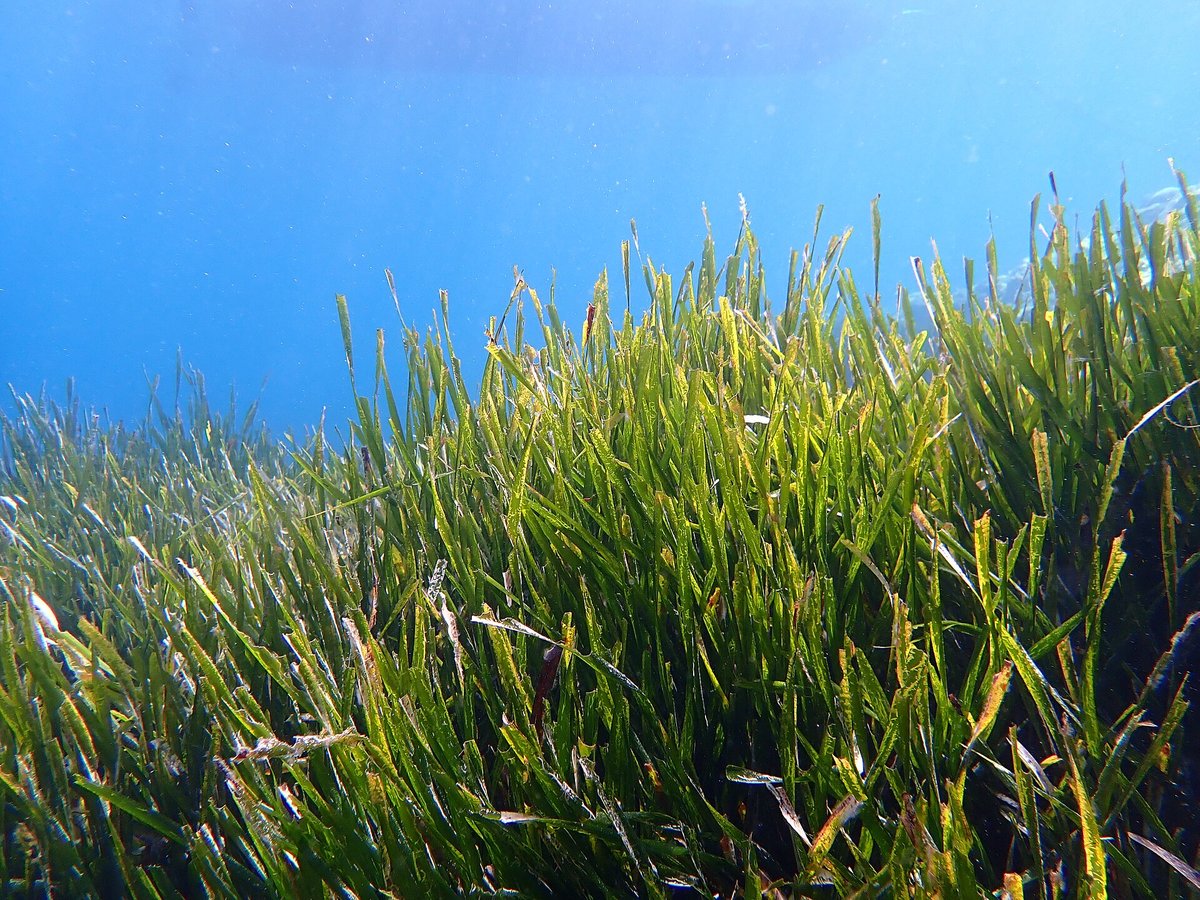
Seagrass Flowering — Posidonia Meadow Mediterranean
The Posidonia oceanica seagrass flowering in the western Mediterranean — the world's slowest-growing and longest-lived marine plant (individual clones up to 200,000 years old), flowering (an extremely rare event, occurring only every 10+ years in specific conditions) in October and November when green grape-like flower clusters appear above the normally bare matte of ribbon leaves in the clear coastal waters of Ibiza, Formentera, and the Balearics. The Posidonia meadow's ecological role (producing the oxygen for every other breath taken in the Mediterranean, supporting the sea's entire demersal food chain, and storing more carbon per hectare than Amazon rainforest) and the flowering event's rarity (most divers and marine biologists never witness it) create one of the Mediterranean's rarest marine biological encounters. The Posidonia's ball-shaped dead leaf accumulation on the beaches (neptune balls, the dried leaf clusters that protect the beaches from erosion) creates a visible terrestrial connection to the invisible underwater conservation story.
About this spectacle
Beneath the crystal-clear coastal waters off Formentera and Ibiza, the ancient Posidonia oceanica seagrass meadows produce one of the ocean's rarest sights: flowering. Occurring only once every decade or more under precise conditions, the event reveals delicate green grape-like flower clusters rising above the dense ribbon-leaf canopy in October and November. Snorkelers and divers who enter these waters during a flowering year encounter a meadow transformed — the usual bare, wave-like sweep of dark green straps suddenly punctuated by small, luminous clusters. Light filters through the clear Mediterranean water, illuminating the scene in shifting blue-green tones. On the surface, the connection between sea and shore is visible in the rounded neptune balls — compressed bundles of dead Posidonia leaves — resting on the pale sandy beaches, mute evidence of an ecosystem working beneath. The silence underwater, the age of the clones, and the sheer improbability of witnessing a flowering combine to make this one of the most quietly arresting biological encounters available to any snorkeler or diver in European waters.
When to go
Jan — Dec, peak Oct — Nov
Getting there
Nearest airport: IBZ. Nearest city: Ibiza Town.
Booking options
Goyova doesn't process bookings directly. When you tap "Plan this trip" in the app, you'll see options from our partner providers — accommodation, tours, transport — with affiliate links where applicable. See our affiliate disclosure for details.
More like this.
 Peak season
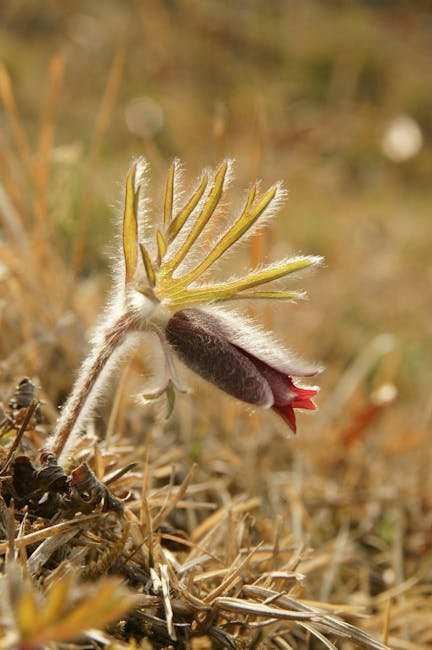
 Adonisröschen-Blüte Karlstadter Trockenrasen
Germany
 Peak season
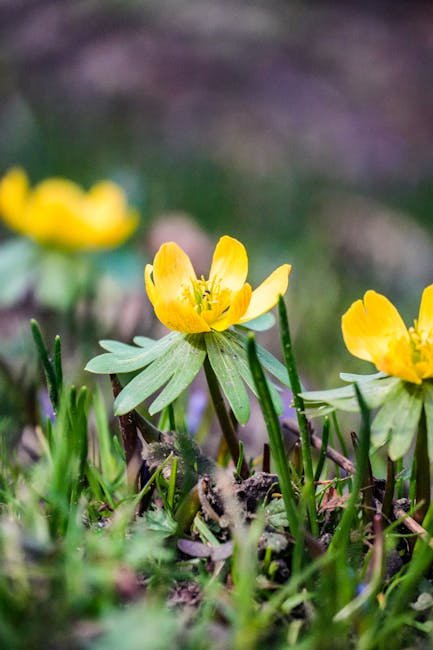
 Adonisröschen-Blüte Kyffhäuser
Germany
 Peak season
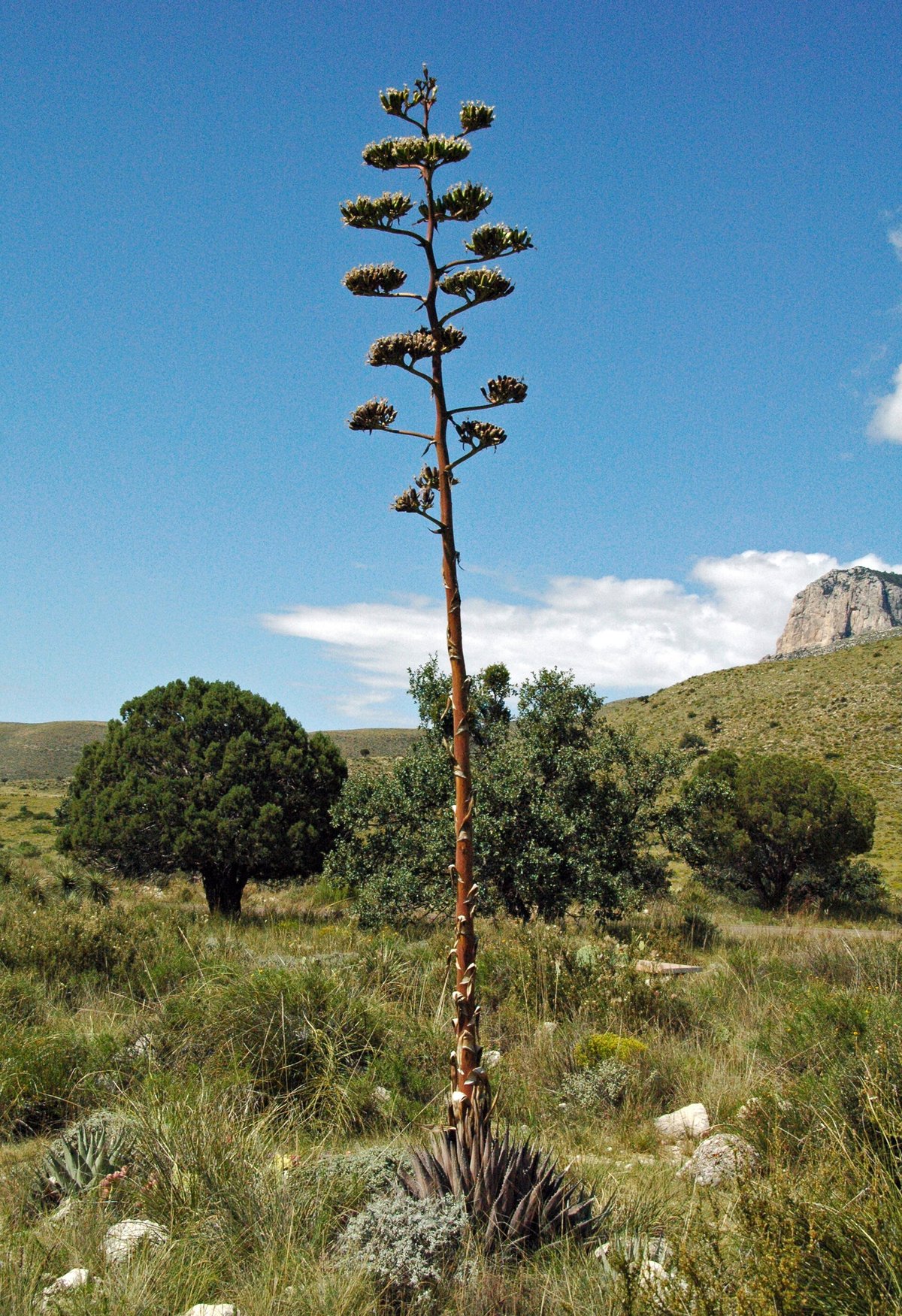
 Agave Century Plant Mass Bloom — Oaxaca Mexico
Oaxaca City, Oaxaca, Mexico