Poppy Fields — Flanders Belgium
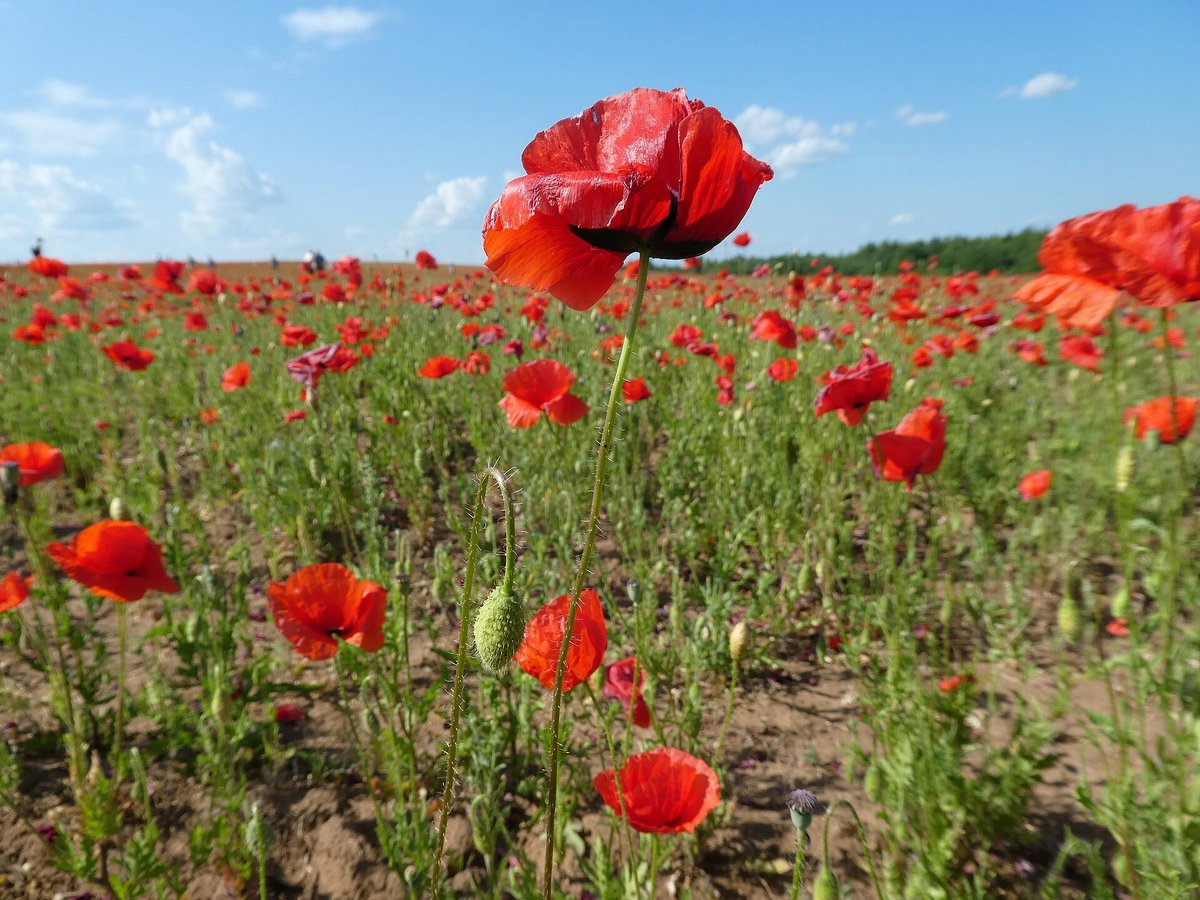
The Flanders poppy fields (Papaver rhoeas) around Ypres and the Somme's agricultural land — the common red poppy's annual bloom from May through June in the disturbed soil margins of the Belgian and French farmland whose soil chemistry and disturbance history (the Western Front's shell-churned earth creating ideal poppy germination conditions) created the First World War's most enduring visual image — create one of Europe's most culturally weighted wildflower spectacles. The In Flanders Fields Museum's contextualisation of the poppy's relationship to the Ypres Salient battlefield, combined with the sight of actual poppies blooming on the verges of the roads between the Commonwealth War Graves Commission cemeteries, creates a natural spectacle of extraordinary historical resonance. The poppy's combination of its vivid scarlet against the green agricultural field, its fragility (lasting only 4 days), and its role as the Western world's most universal symbol of military sacrifice gives each bloom a weight of meaning that no other wildflower carries.
About this spectacle
Standing on the verges of roads threading between Commonwealth War Graves Commission cemeteries in the Ypres Salient, you encounter Papaver rhoeas — the common red poppy — blooming in vivid scarlet drifts against the green of Belgian and French farmland. Each individual flower lasts only four days, lending the spectacle an acute fragility: the fields shift and shimmer as blooms open and fall across May and June. The disturbed soil margins, their chemistry shaped by a century of post-battlefield recovery, create near-ideal germination conditions, so poppies return reliably each year without planting. Morning light catches the translucent petals at their most luminous, the scarlet appearing almost backlit. The In Flanders Fields Museum in Ypres provides context for what you are seeing, but the poppies themselves need no museum label — they grow beside the headstones, in the ditches, along the field edges, inseparable from the landscape they came to symbolise. It is a wildflower spectacle in which the natural and the historical are completely fused.
When to go
Jan — Dec, peak May — Jun
Getting there
Nearest airport: LIL. Nearest city: Ypres (Ieper).
Booking options
Goyova doesn't process bookings directly. When you tap "Plan this trip" in the app, you'll see options from our partner providers — accommodation, tours, transport — with affiliate links where applicable. See our affiliate disclosure for details.
More like this.
 Peak season
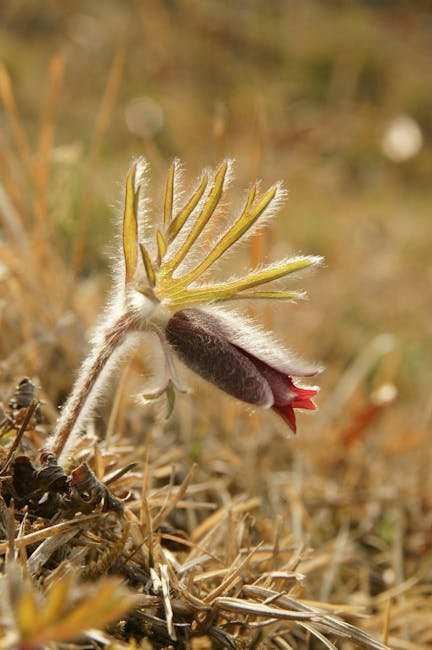
 Adonisröschen-Blüte Karlstadter Trockenrasen
Germany
 Peak season
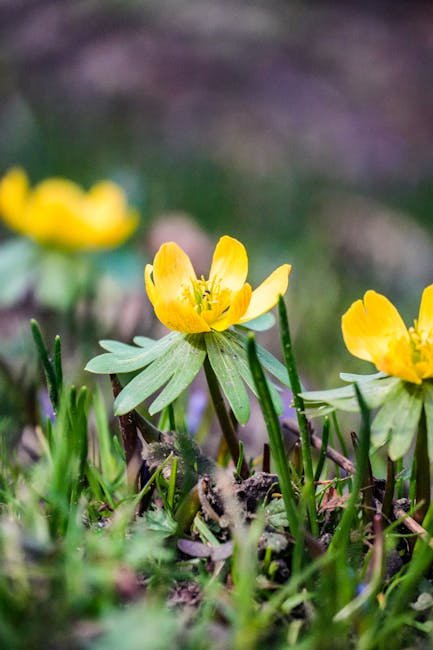
 Adonisröschen-Blüte Kyffhäuser
Germany
 Peak season
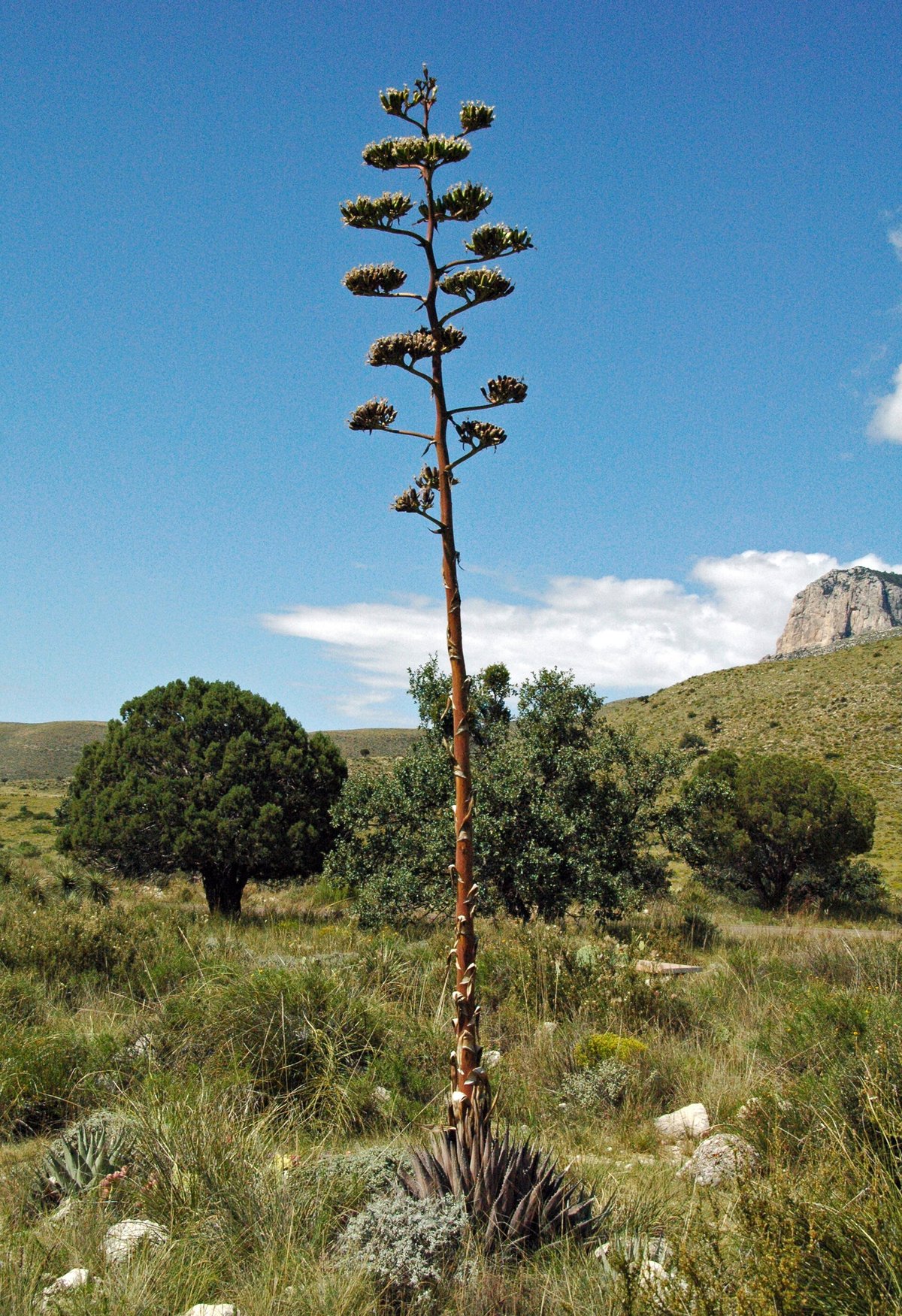
 Agave Century Plant Mass Bloom — Oaxaca Mexico
Oaxaca City, Oaxaca, Mexico