 Returns Feb 2027
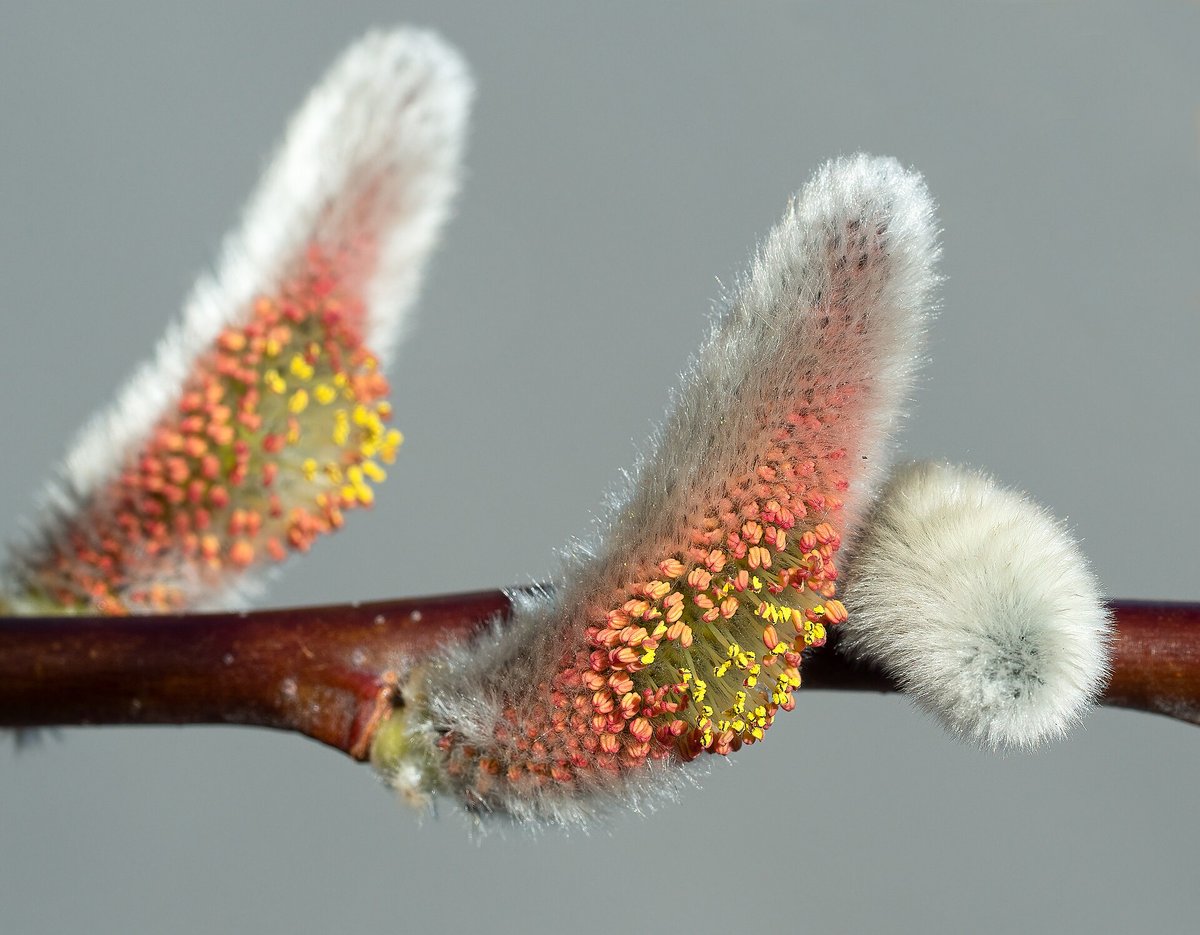
 Hazel Catkin Season — English Woodland
The hazel (Corylus avellana) catkin season from January through March — the male catkins (lamb's tails) elongating from tight yellow buds to 5-centimetre-long pendulous strings of pollen-producing anthers in the first warm days after New Year, releasing yellow pollen clouds in the February wind while the tiny crimson female flowers open simultaneously on the same branches — creates one of the English woodland's most specifically early-spring botanical encounters. The Chilterns' ancient hazel coppice woodland (maintained by traditional coppice management for 1,000 years) and the Weald's hazel woodland produce the finest catkin displays, and the combination of the catkins' pale yellow against the bare winter branches, the woodland floor's first snowdrops below, and the first chiffchaff or great tit songs from the canopy creates a complete early spring encounter in a single woodland morning. The hazel's early season pollen is the first available to queen bumblebees emerging from hibernation, directly linking the catkin display to the pollinator year's beginning.
About this spectacle
On a still February morning in one of the Chilterns' ancient hazel coppice woodlands, the air carries the first breath of the year's pollen. Male catkins — the 'lamb's tails' — have swollen from tight yellow buds into pendulous five-centimetre strings, trembling at the tip of bare grey branches. A gust sends pale yellow clouds drifting through the canopy, and if you look closely at the same stems you'll find the tiny, intensely crimson female flowers, no bigger than a match-head, ready to catch that pollen. Below, snowdrops press up through the leaf litter. Overhead, a great tit's two-note call cuts the cold air. This is not a dramatic spectacle of scale — it is a quiet, intimate revelation that the biological year has restarted. The catkins are the first pollen source of the season, and queen bumblebees, freshly out of hibernation, arrive to gather it. A woodland morning here in January to March rewards patience and close observation over grand vistas.
When to go
Jan — Mar, peak Feb — Mar
Getting there
Nearest airport: LHR. Nearest city: London.
Booking options
Goyova doesn't process bookings directly. When you tap "Plan this trip" in the app, you'll see options from our partner providers — accommodation, tours, transport — with affiliate links where applicable. See our affiliate disclosure for details.
More like this.
 Peak season
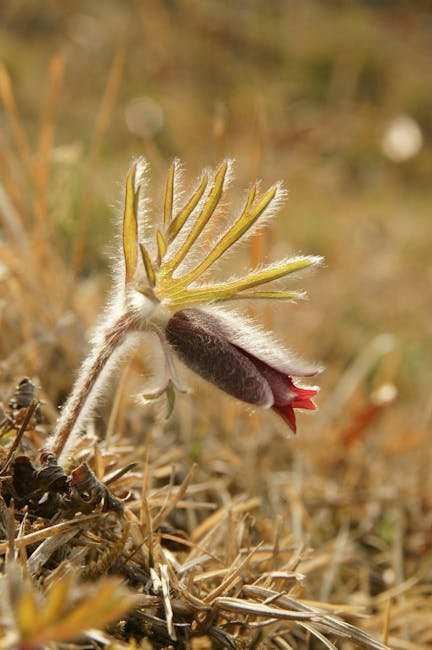
 Adonisröschen-Blüte Karlstadter Trockenrasen
Germany
 Peak season
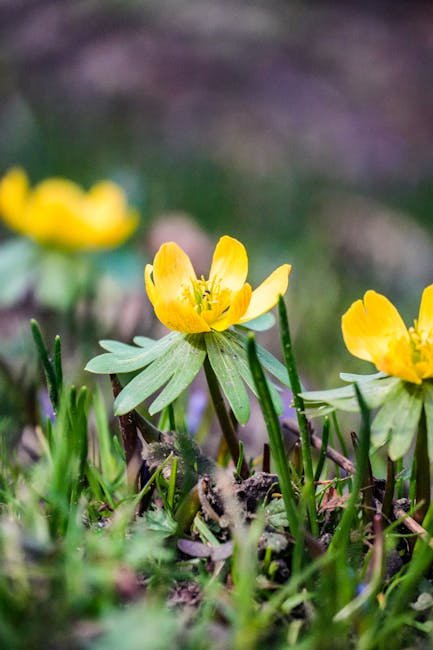
 Adonisröschen-Blüte Kyffhäuser
Germany
 Peak season
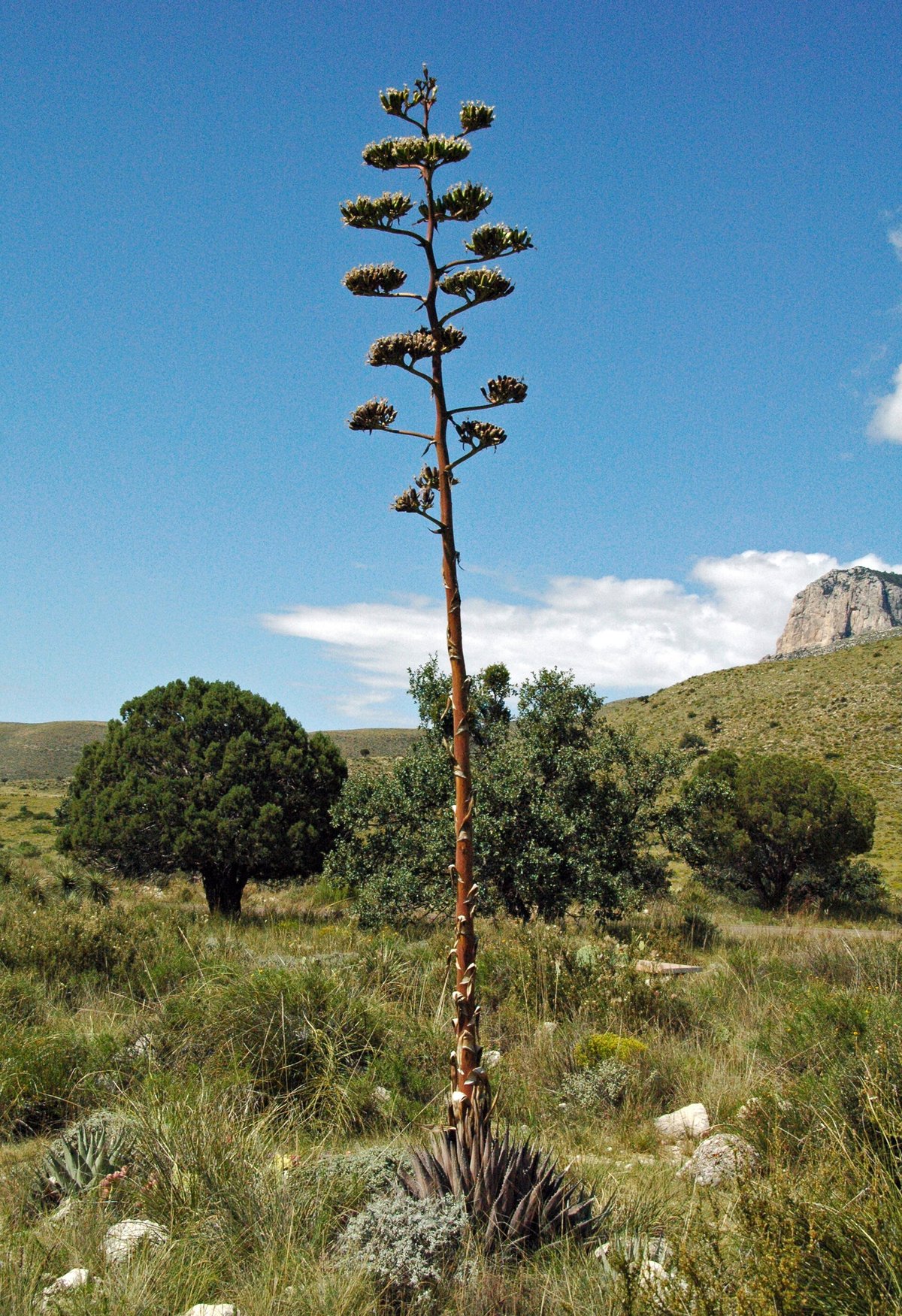
 Agave Century Plant Mass Bloom — Oaxaca Mexico
Oaxaca City, Oaxaca, Mexico