Hazel Catkin Season — Chiltern Woodlands
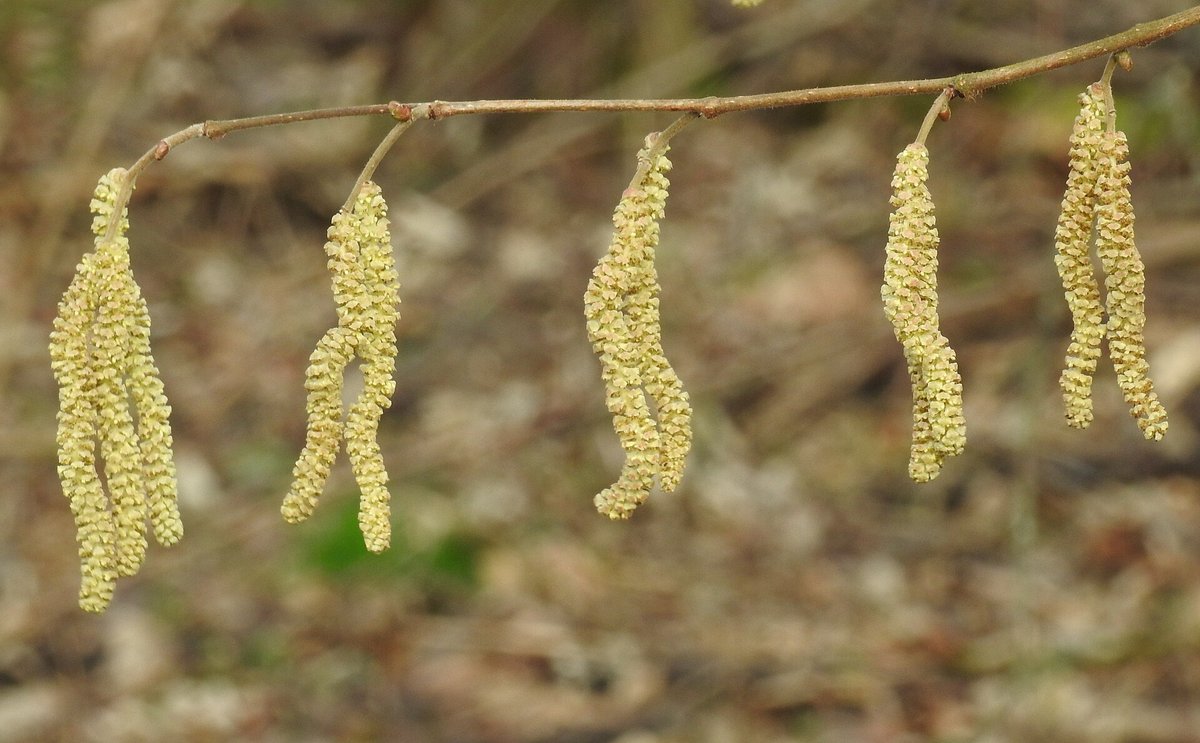
Each February, the ancient hazel coppice woodlands of the Chiltern Hills and the surrounding mixed deciduous woodland of the Cotswold Edge produce England's first significant spring colour as the male hazel catkins extend to their full pendulous golden-yellow length and release pollen on warm February days, filling the still-bare woodland with the first unmistakable signs of spring in a display of soft colour and movement that carries the season's promise before any other tree has stirred. The hazel coppice tradition — cutting stools on a 7-year rotation to produce straight rods for hurdle-making and thatching — has created a distinctive woodland structure of multi-stemmed stools draped in catkins that produces more flower per hectare than any other woodland type, and the Chiltern hazel woodlands at Bradenham and Watlington Hill are among England's finest. The catkin season coincides with the emergence of hazel dormice from hibernation in the milder years, and the dormouse monitoring programme at Bradenham Wood offers a rare chance to observe this declining species at the same time as the catkin display. Marsh tits, treecreepers, and nuthatch work the hazel stools for insects while the catkins release their pollen in drifts of golden dust. The subsequent bluebell season in the same woods three months later is one of England's most celebrated botanical events.
About this spectacle
Each February, the ancient hazel coppice woodlands of Bradenham and Watlington Hill in the Chiltern Hills come alive with England's earliest significant spring colour. Male catkins elongate to their full pendulous golden-yellow length, swaying gently in the still-bare woodland and releasing drifts of fine golden pollen on warmer days. The coppice tradition — cutting multi-stemmed stools on a seven-year rotation — creates an unusually dense floral structure, draping the woodland floor with cascading catkins that catch the low winter light. Marsh tits, treecreepers, and nuthatches forage among the stools while the air carries the faint, dry scent of early pollen. In milder years, hazel dormice emerge from hibernation during this window, and the Bradenham Wood dormouse monitoring programme offers a rare chance to encounter this declining species alongside the catkin display. The woodland remains open and luminous before leaf-burst, giving visitors clear sightlines through the stool network and a sense of discovery — spring arriving quietly, well ahead of any other tree.
When to go
Jan — Dec, peak Feb
Getting there
Nearest airport: LHR. Nearest city: Oxford.
Booking options
Goyova doesn't process bookings directly. When you tap "Plan this trip" in the app, you'll see options from our partner providers — accommodation, tours, transport — with affiliate links where applicable. See our affiliate disclosure for details.
More like this.
 Peak season
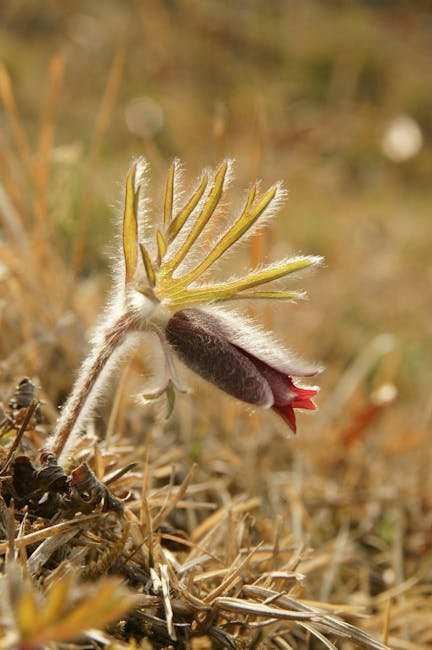
 Adonisröschen-Blüte Karlstadter Trockenrasen
Germany
 Peak season
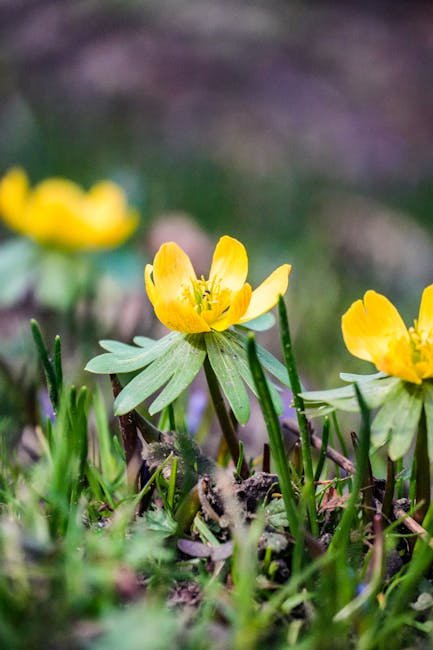
 Adonisröschen-Blüte Kyffhäuser
Germany
 Peak season
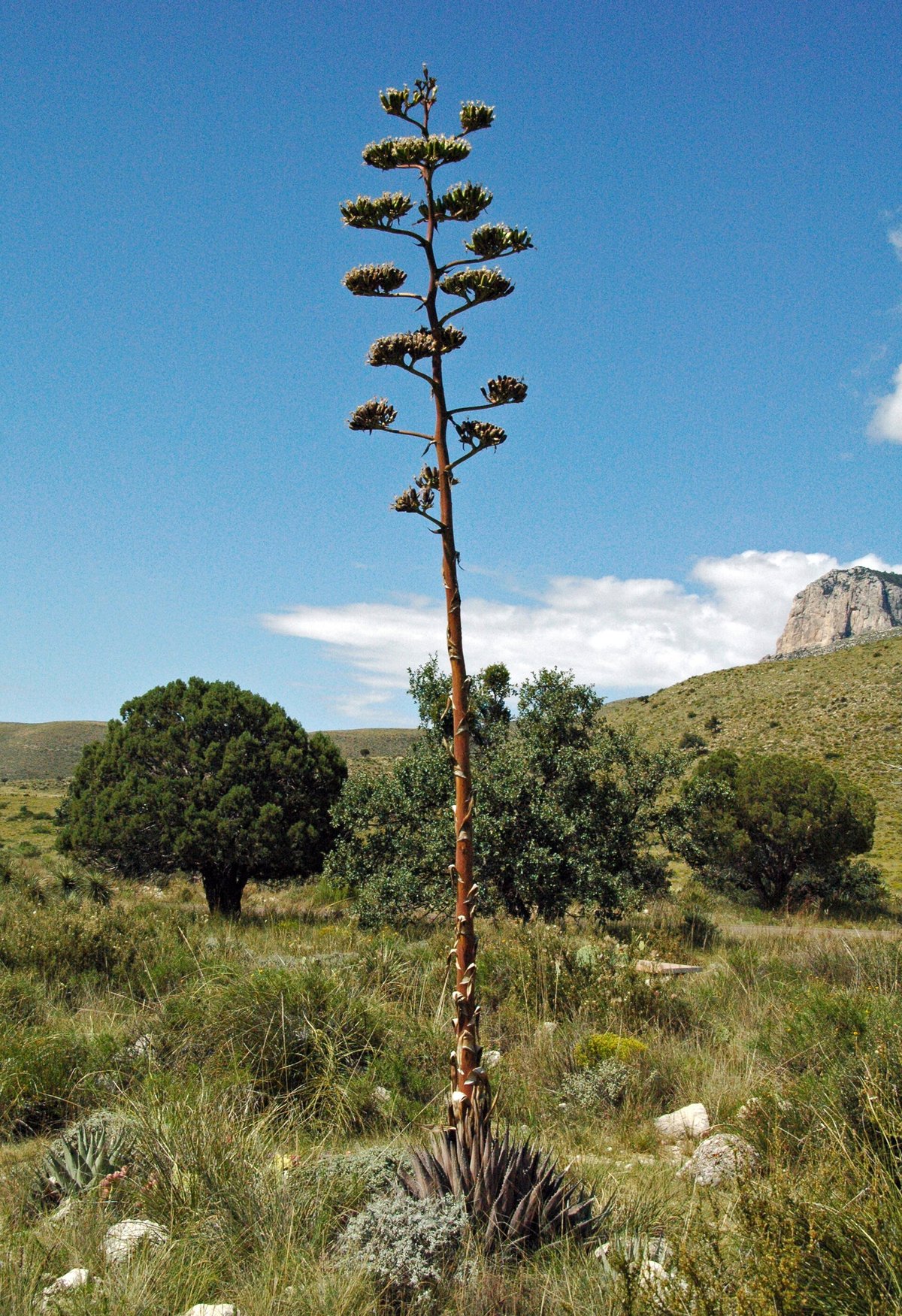
 Agave Century Plant Mass Bloom — Oaxaca Mexico
Oaxaca City, Oaxaca, Mexico