Giant Water Lily Season — Amazon Brazil
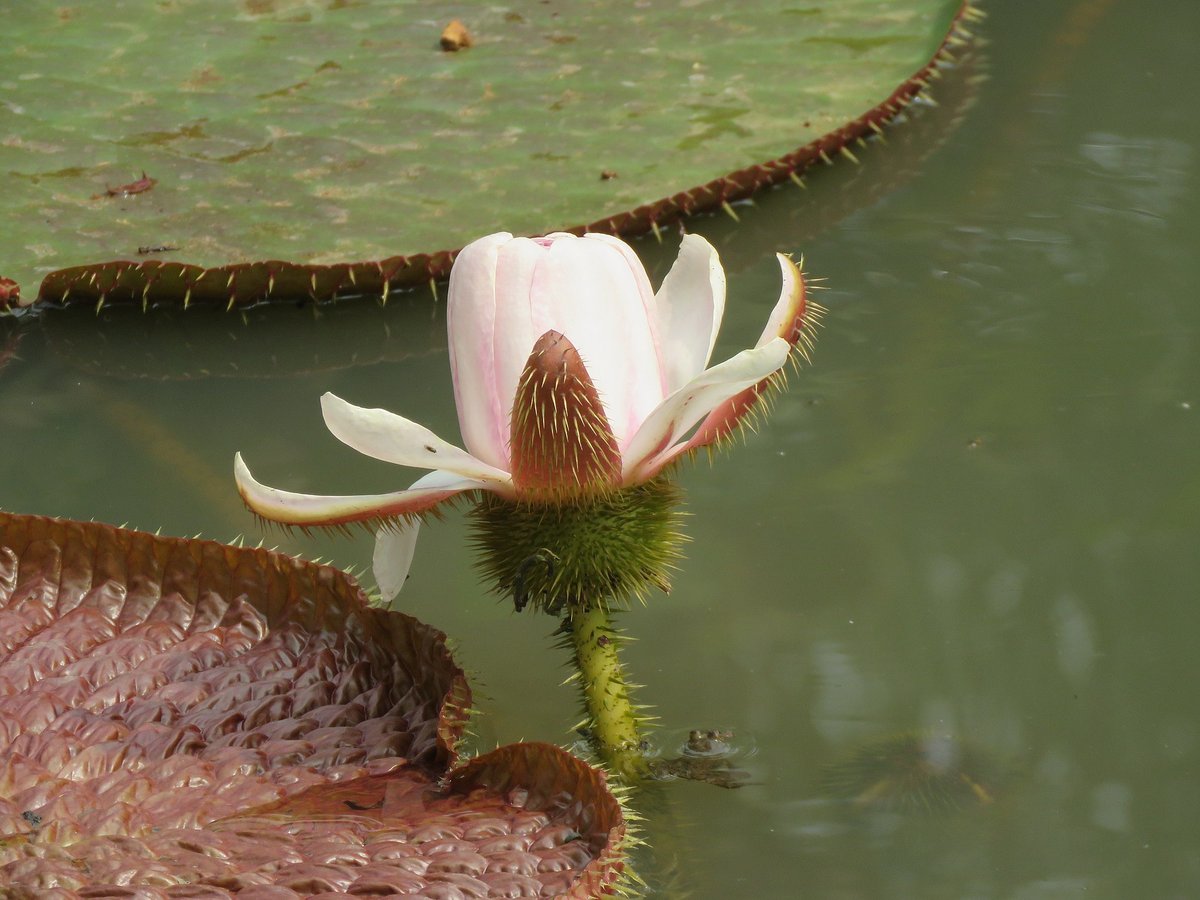
The Victoria amazonica giant water lily in the Amazon's oxbow lakes and flooded forests — the largest aquatic plant on Earth with leaves to 3 metres in diameter, the upturned rim preventing sinking, the leaf's underside's extraordinary spike-and-rib architecture distributing the weight load of 40 kg per leaf — creates a botanical encounter of biological engineering at its most extreme. The Mamirauá Reserve's floating lodge and the Cristalino Jungle Lodge in Mato Grosso provide the finest accessible giant water lily habitats, and the encounter with the leaf's full diameter (standing beside a leaf that exceeds your height in width) and the 30-centimetre cream-white flower's extraordinary fragrance (one of the strongest floral scents in the plant kingdom) creates a botanical immersion of the highest physical scale. The flower's extraordinary pollination biology (opening cream-white on night 1 and heating to 35°C to attract scarab beetles, closing on the beetles to coat them in pollen, reopening pink on night 2 as female to receive pollen from newly-caught beetles) creates a mechanical pollination system of breathtaking precision.
About this spectacle
Standing beside a Victoria amazonica leaf in an Amazonian oxbow lake is a confrontation with botanical scale that defies expectation. Leaves reach three metres in diameter — wider than a person is tall — their upturned rims holding the green disc rigid above dark water, their undersides a gothic architecture of spines and ribs engineered to distribute forty kilograms of load. At dawn, the air carries one of the plant kingdom's most intense floral fragrances: the enormous cream-white flower, still warm from the previous night's beetle-heating event, floats like a porcelain bowl on the water's surface. Guides at Mamirauá's floating lodge bring visitors by canoe into flooded igapó forest where dozens of leaves crowd the shallows. The nocturnal pollination drama — cream on night one, heated and beetle-trapping, pink and receiving on night two — is explained beside the living flower. Light on the water, the scent, and the alien geometry of the leaves combine into a sensory encounter that feels genuinely unlike anything else in botanical travel.
When to go
Jan — Dec, peak Nov — Mar
Getting there
Nearest airport: TFF. Nearest city: Tefé.
Booking options
Goyova doesn't process bookings directly. When you tap "Plan this trip" in the app, you'll see options from our partner providers — accommodation, tours, transport — with affiliate links where applicable. See our affiliate disclosure for details.
More like this.
 Peak season
 Adonisröschen-Blüte Karlstadter Trockenrasen
Germany
 Peak season
 Adonisröschen-Blüte Kyffhäuser
Germany
 Peak season
 Agave Century Plant Mass Bloom — Oaxaca Mexico
Oaxaca City, Oaxaca, Mexico