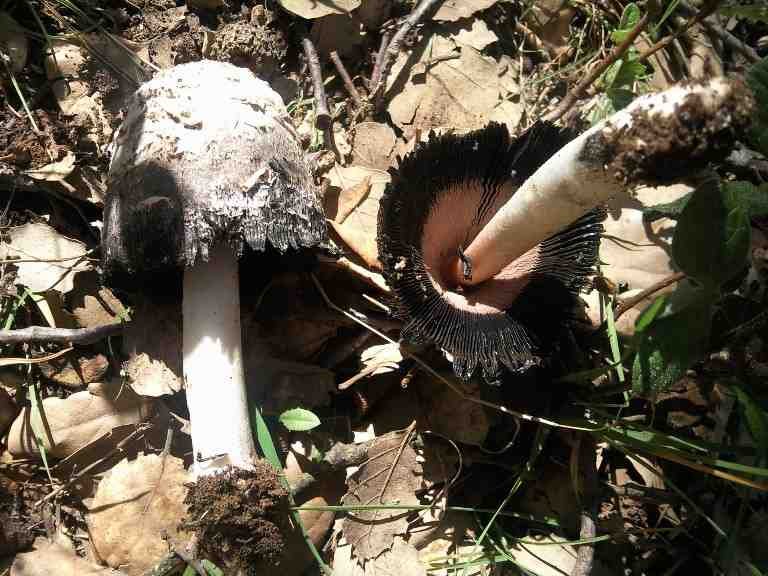
Cork Forest Fungi — Alentejo October
Each October and November, the ancient cork oak forests of Portugal's Alentejo produce one of the Iberian Peninsula's most spectacular fungal fruiting seasons, as the combination of the first autumn rains after the long dry summer and the deep leaf litter of the undisturbed montado floor triggers an explosion of mushroom diversity that includes some of Europe's finest edible species alongside dozens of ecological specialists found only in old-growth cork oak woodland. The saffron milk cap — rovellón — fruits in its millions under the cork oaks, its vivid orange colour staining the leaf litter in sweeping orange patches that guide foragers from across Portugal to the Alentejo in late October. Penny bun ceps, amethyst deceivers, and the extraordinary fly agaric emerge simultaneously, and the combination of the cork oak's characteristic flaking orange-red trunk bark above the fungal carpet creates a colour composition unique to this ecosystem. The cork harvest cycle — trees stripped on a nine-year rotation and the brilliant orange-red exposed cork visible on recently stripped trees — adds a working agricultural dimension to the forest walk. The Alentejo fungi season coincides with the acorn harvest when Iberian pigs fatten in the same oak woodland whose floor produces the mushroom display, creating the world's most famous ham and one of its finest forest floor spectacles simultaneously.
About this spectacle
Walk the Mértola cork oak forest in October and you enter a world lit by autumn chemistry: the first rains after Portugal's long dry summer unlock a carpet of mushrooms across the undisturbed montado floor. Vivid orange saffron milk caps pool beneath the trees in sweeping patches, their colour echoing the brilliant red-orange of recently stripped cork trunks above. Penny bun ceps push through dark leaf litter, amethyst deceivers add purple to the palette, and the iconic fly agaric punctuates the scene. The forest is working as well as wild — Iberian pigs move through the same understorey fattening on acorns, and the nine-year cork harvest cycle leaves its own visual signature on each tree. Morning light filters through the canopy onto a floor that smells of rain-soaked bark and mycelium. Foragers with baskets navigate quietly between the oaks. The air carries the tang of autumn damp. This is one of the Iberian Peninsula's most species-rich fungal seasons, concentrated in a single ancient woodland type found nowhere else at this scale.
When to go
Oct — Nov
Getting there
Nearest airport: FAO. Nearest city: Beja.
Booking options
Goyova doesn't process bookings directly. When you tap "Plan this trip" in the app, you'll see options from our partner providers — accommodation, tours, transport — with affiliate links where applicable. See our affiliate disclosure for details.
More like this.
 Peak season
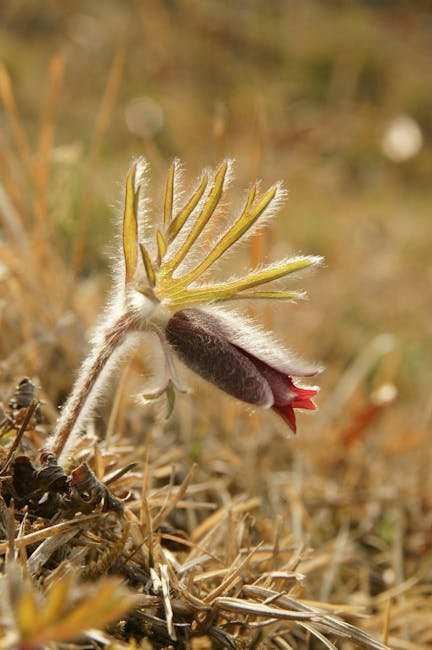
 Adonisröschen-Blüte Karlstadter Trockenrasen
Germany
 Peak season
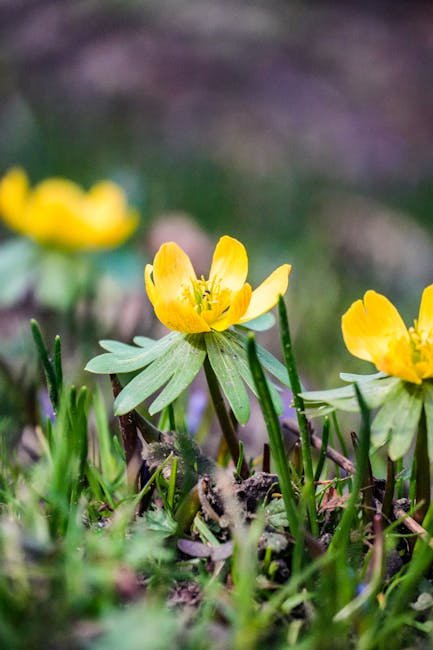
 Adonisröschen-Blüte Kyffhäuser
Germany
 Peak season
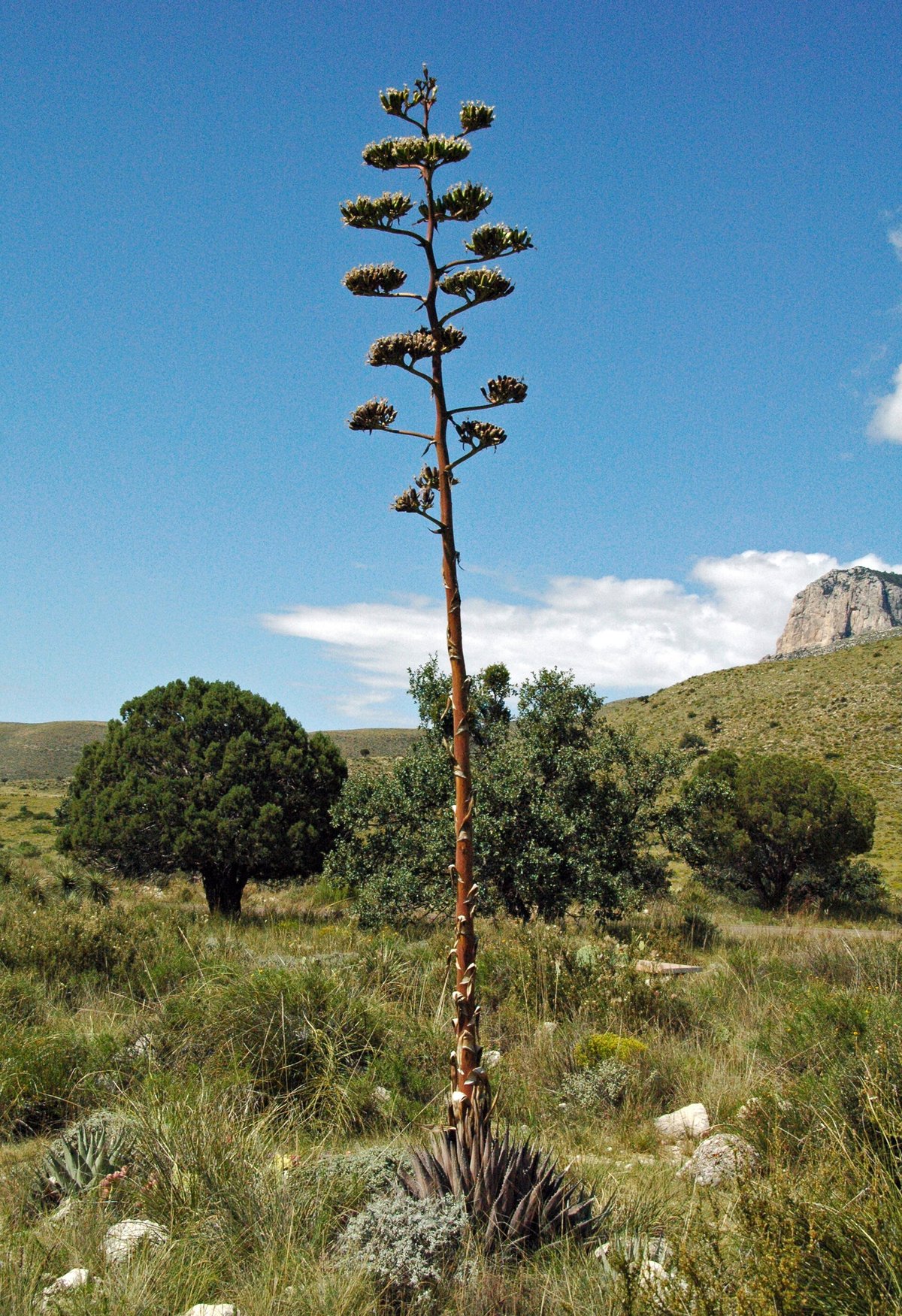
 Agave Century Plant Mass Bloom — Oaxaca Mexico
Oaxaca City, Oaxaca, Mexico