
Cherry Blossom — Yoshino
Mount Yoshino in Nara Prefecture is Japan's most celebrated sakura site and one of the oldest continuously documented natural spectacles on Earth — the mountain's 30,000 wild Somei Yoshino and mountain cherry trees have been described in poetry and pilgrimage accounts for over 1,300 years. From late March through April, the entire mountainside blooms in four distinct elevation bands — Shimo Senbon, Naka Senbon, Kami Senbon, and Oku Senbon — each peaking sequentially over two weeks, so the mountain is never fully past peak. Viewing from the Kizo-ji temple forecourt across the valley reveals the entire mountain face as a seamless pink-and-white cloud, with temple pagodas and ancient cedar forests emerging from the blossom like islands. The mountain is a UNESCO World Heritage Site as part of the Sacred Sites of the Kii Mountain Range, and the combination of Shugendo Buddhist pilgrimage culture, ancient shrine paths, and overwhelming botanical spectacle creates an experience unique in Japan. Visitors walk upward through the blossom on ancient stone-paved pilgrim trails as temple bells ring above.
About this spectacle
From late March through April, Mount Yoshino reveals one of the world's great botanical spectacles: 30,000 wild cherry trees erupting across four elevation bands that bloom sequentially over two weeks, so the mountain never falls fully past peak. Walking upward from Shimo Senbon through Naka and Kami Senbon to Oku Senbon, visitors are immersed in cascading drifts of pink and white blossoms, the air carrying the soft, faintly sweet fragrance of mountain cherry. Ancient stone-paved pilgrim trails wind beneath the canopy while temple bells drift downslope from pagodas half-hidden in blossom. The effect from across the valley — entire forested ridges turned to pink-and-white cloud, with cedar spires and temple rooflines breaking the surface — is extraordinary at any hour but luminous in morning light when mist still clings to the lower slopes. The sequential blooming means each visit up the mountain passes through a different stage, from open blossoms low down to tight buds high up. No two mornings look quite the same.
When to go
Jan — Dec, peak Mar — Apr
Getting there
Nearest airport: KIX. Nearest city: Nara.
Booking options
Goyova doesn't process bookings directly. When you tap "Plan this trip" in the app, you'll see options from our partner providers — accommodation, tours, transport — with affiliate links where applicable. See our affiliate disclosure for details.
More like this.
 Peak season
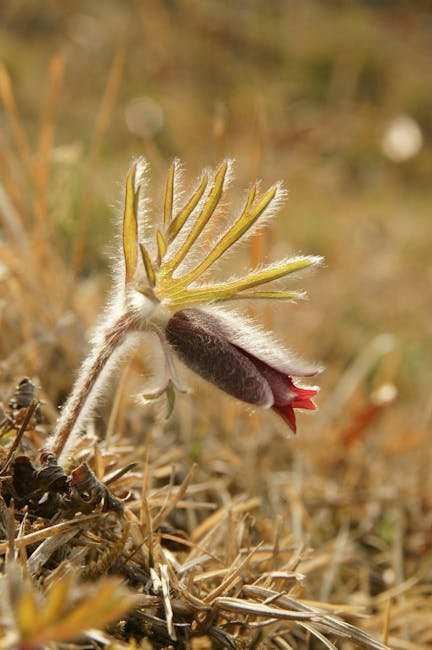
 Adonisröschen-Blüte Karlstadter Trockenrasen
Germany
 Peak season
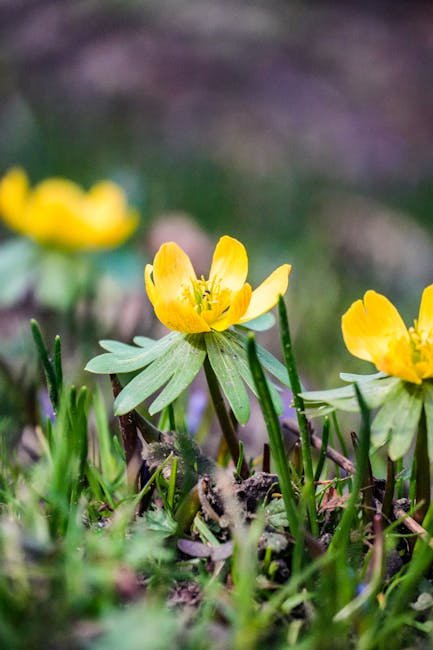
 Adonisröschen-Blüte Kyffhäuser
Germany
 Peak season
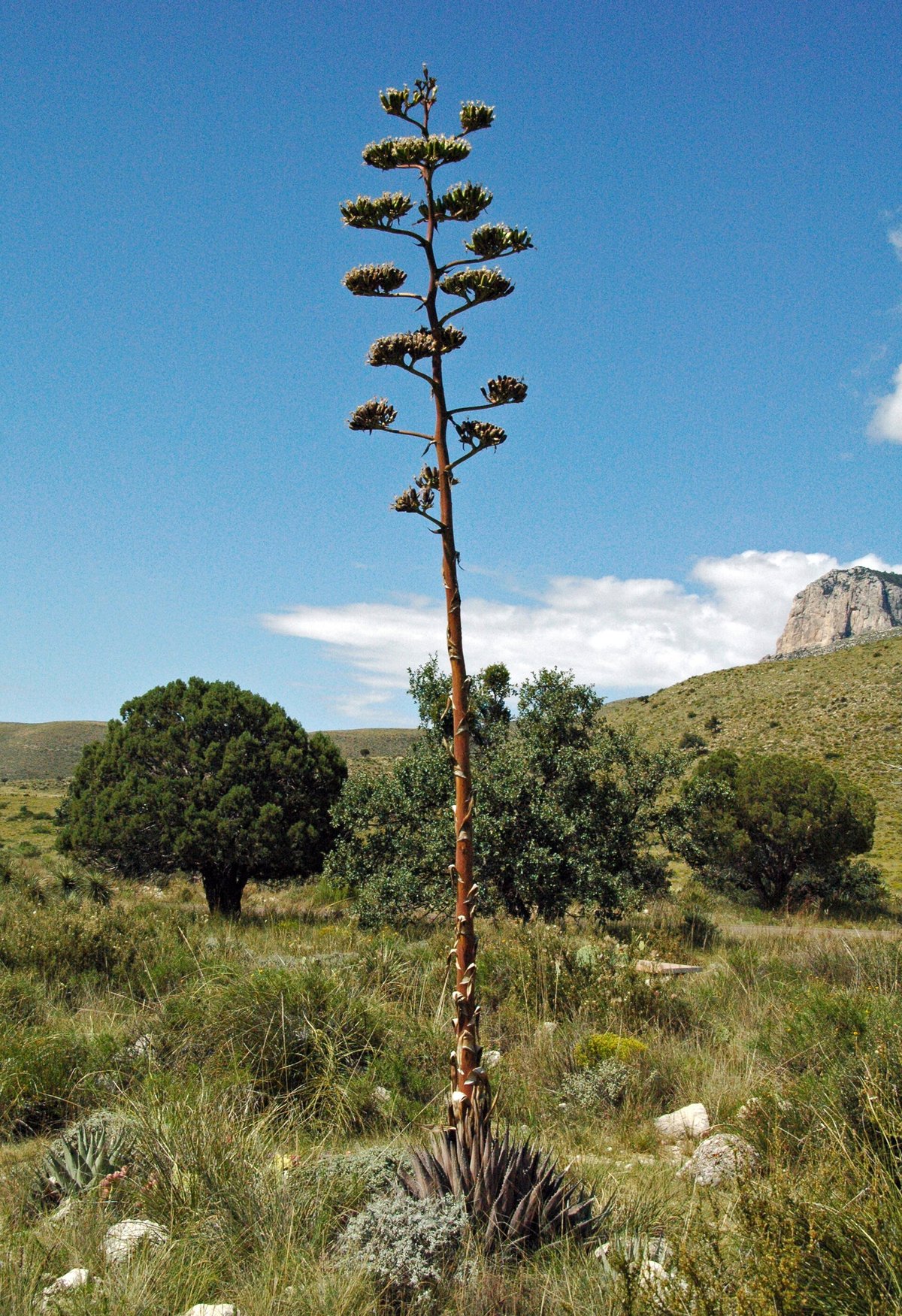
 Agave Century Plant Mass Bloom — Oaxaca Mexico
Oaxaca City, Oaxaca, Mexico