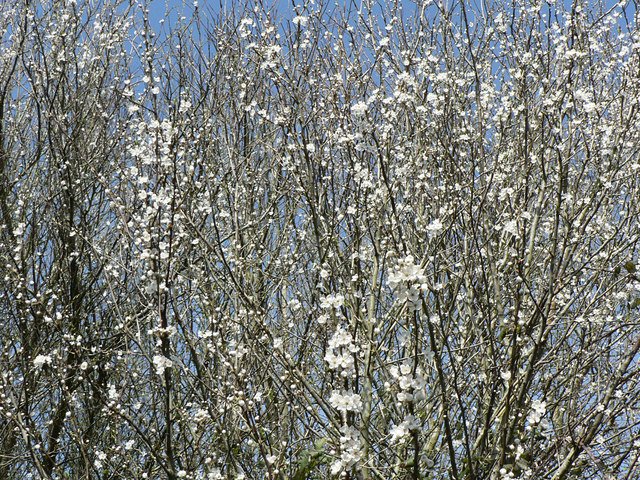
Blackthorn Winter — English Hedgerows
Each March, before any leaves appear and while the fields are still brown from winter, the ancient blackthorn hedgerows of England's midland and southern counties explode into pure white blossom in a brief and dramatically beautiful seasonal transformation that the farming community has called 'blackthorn winter' since the Middle Ages — the cold snap that often follows the bloom giving the phenomenon its name. The spectacle is not a single location but a landscape-scale event visible across hundreds of kilometres of ancient hedgerow country in Dorset, Somerset, Worcestershire, and the Welsh Marches, where the white-foaming blackthorn creates a visual contrast with the bare brown winter fields and grey skies of early spring that produces one of England's most atmospheric seasonal transitions. The blackthorn blossom is the first mass-flowering event of the English countryside, and the hedge-birds that depend on the subsequent sloe crop — fieldfares still present from winter, redwings, song thrushes — feed on the berries of the same hedges just weeks before the blossom. Walking a Somerset lane in early March with blackthorn in full bloom on both sides, the white flowers crowded on bare black thorny stems, and the first brimstone butterflies of the year nectaring on the flowers, is one of England's most quietly transformative spring moments. The blackthorn bloom lasts only ten to fourteen days and its peak shifts with temperature — arriving cold years can delay it to late March.
About this spectacle
Each March, England's ancient hedgerows ignite in pure white blossom before a single leaf has opened — the phenomenon known since medieval times as 'blackthorn winter.' Walking a Somerset lane at this moment, the hedgerow on either side becomes a continuous wall of white flowers crowded on bare black thorny stems, set against brown winter fields and grey early-spring skies. The visual contrast is stark and atmospheric: the intensity of the white blossom against such a dark, wintry landscape produces something closer to snowfall than spring. Brimstone butterflies, the first of the year, nectar on the flowers, and fieldfares and song thrushes still work the hedgerows nearby. The bloom is fleeting — lasting only ten to fourteen days — and its exact timing shifts with temperature, arriving anywhere from early to late March in cold years. The spectacle is a landscape-scale event across Dorset, Somerset, Worcestershire, and the Welsh Marches, best experienced on foot along quiet country lanes in morning light, when the white flowers seem to glow against the still-grey sky.
When to go
Jan — Dec, peak Mar
Getting there
Nearest airport: BRS. Nearest city: Bristol.
Booking options
Goyova doesn't process bookings directly. When you tap "Plan this trip" in the app, you'll see options from our partner providers — accommodation, tours, transport — with affiliate links where applicable. See our affiliate disclosure for details.
More like this.
 Peak season
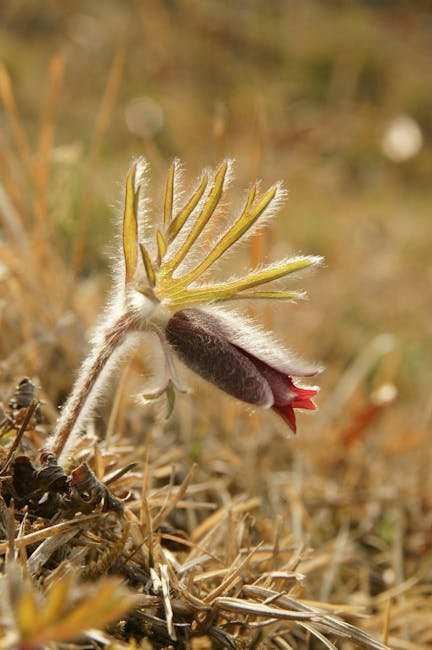
 Adonisröschen-Blüte Karlstadter Trockenrasen
Germany
 Peak season
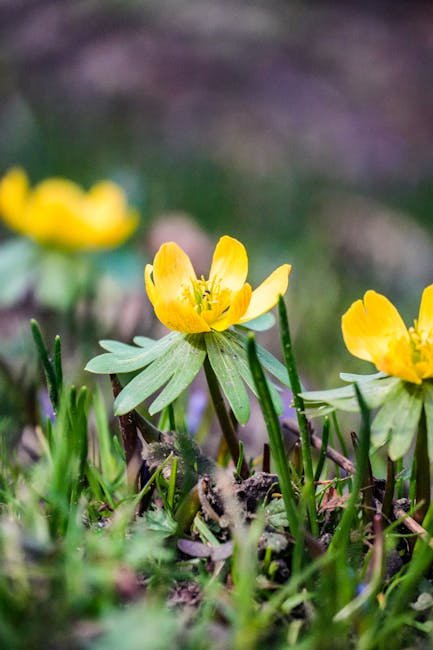
 Adonisröschen-Blüte Kyffhäuser
Germany
 Peak season
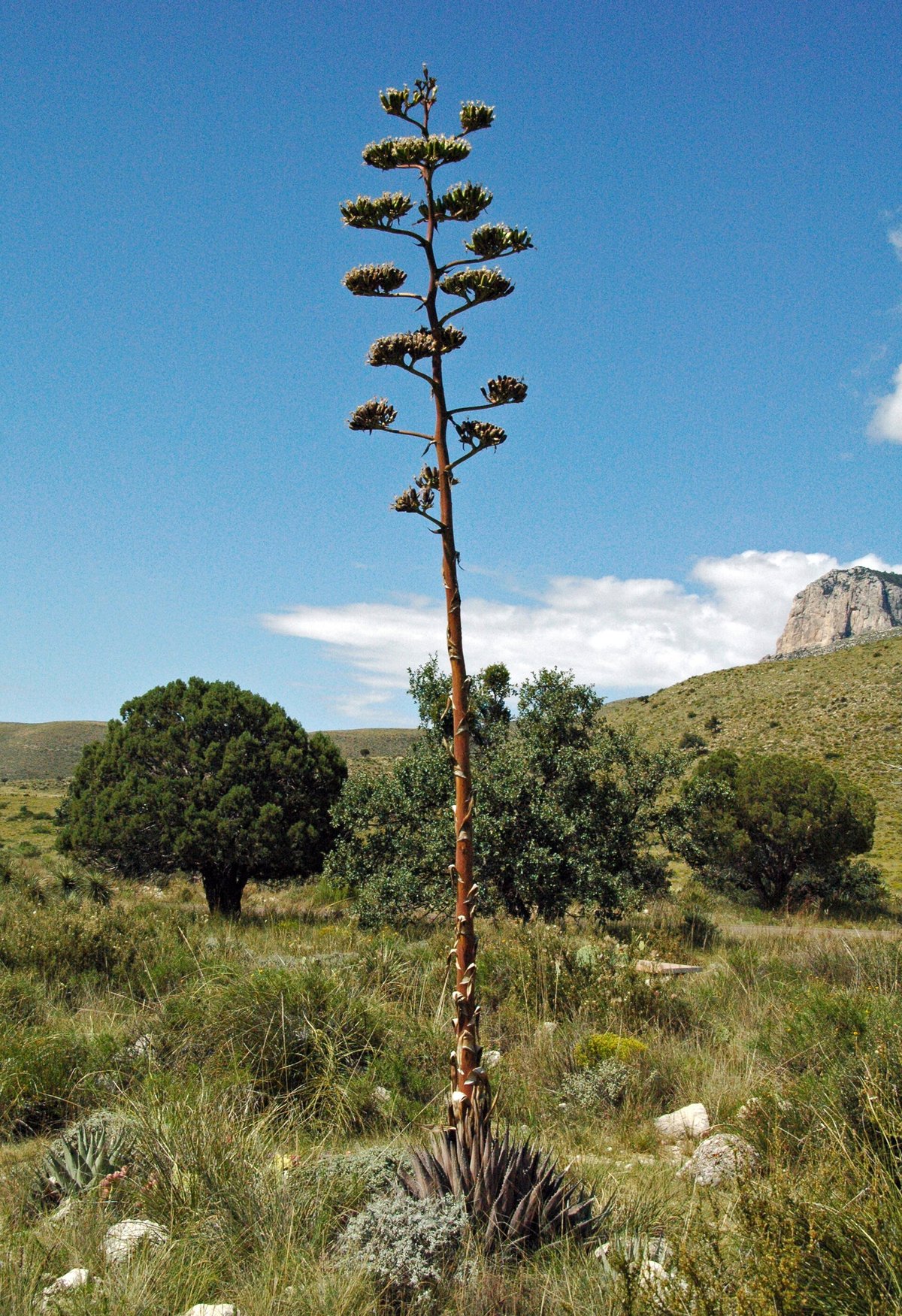
 Agave Century Plant Mass Bloom — Oaxaca Mexico
Oaxaca City, Oaxaca, Mexico