
Barossa Valley Shiraz Harvest — South Australia
The Barossa Valley's old-vine Shiraz harvest from late March through May — the world's oldest producing Shiraz vines (planted 1847–1860, the oldest non-irrigated Shiraz vineyard material on Earth, the pre-phylloxera rootstock surviving only here and in a few Rhône valley sites) bearing their small, intensely concentrated grape clusters in the Barossa's red Moorooroo loam — creates one of the Southern Hemisphere's most celebrated wine harvest scenes. The combination of the vine's gnarled, ancient form (100+ year trunks wider than a forearm), the concentrated clusters' blue-black colour against the red soil, and the Barossa's Lutheran church spires and German village names (Tanunda, Nuriootpa, Angaston) embedded in Australian farm landscape creates an agricultural heritage of remarkable specificity. The first crush of old-vine Shiraz at Penfolds Grange's winery (October–November, after fermentation) produces a smell of quality wine-making unmistakeable to any wine-lover.
About this spectacle
Standing among the Barossa Valley's old-vine Shiraz rows in late March through May, visitors encounter gnarled, ancient trunks — some wider than a forearm, planted between 1847 and 1860 — bearing small, intensely concentrated clusters of blue-black grapes. The contrast between the deep indigo fruit and the rich red Moorooroo loam soil is visually arresting, especially in the soft morning light that filters across the valley floor. Surrounding the vines, Lutheran church spires rise above German-named villages like Tanunda and Nuriootpa, lending the landscape an incongruous yet compelling mix of European heritage and Australian farmland. At harvest time, the air carries the yeasty, fruit-rich scent of crush operations beginning at wineries including Penfolds. The vines themselves, pre-phylloxera survivors found almost nowhere else on Earth, carry a rare botanical weight: these are living plant specimens over 160 years old, still producing fruit. Visitors walk narrow rows between trunk sculptures that no plantation viticulture can replicate, making this a harvest scene of genuine global rarity.
When to go
Jan — Dec, peak Mar — May
Getting there
Nearest airport: ADL. Nearest city: Adelaide.
Booking options
Goyova doesn't process bookings directly. When you tap "Plan this trip" in the app, you'll see options from our partner providers — accommodation, tours, transport — with affiliate links where applicable. See our affiliate disclosure for details.
More like this.
 Peak season
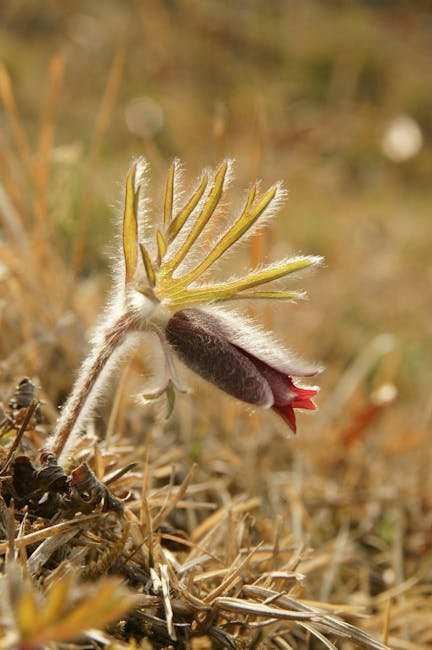
 Adonisröschen-Blüte Karlstadter Trockenrasen
Germany
 Peak season
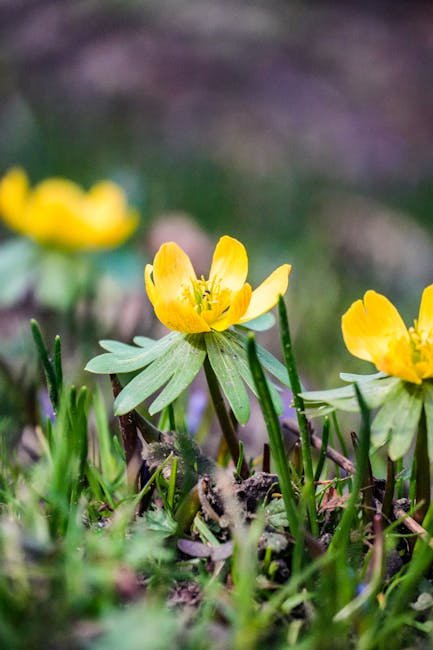
 Adonisröschen-Blüte Kyffhäuser
Germany
 Peak season
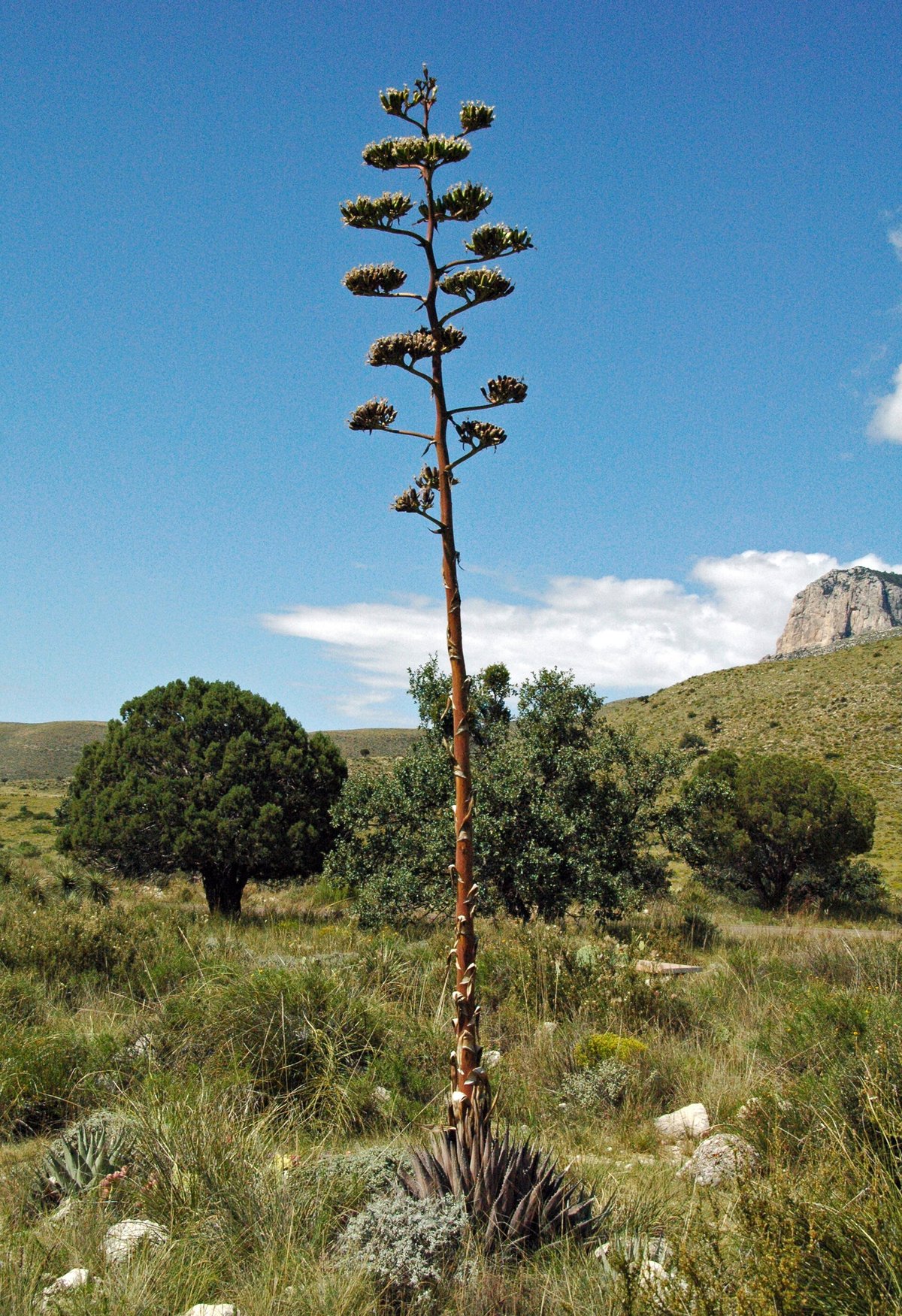
 Agave Century Plant Mass Bloom — Oaxaca Mexico
Oaxaca City, Oaxaca, Mexico