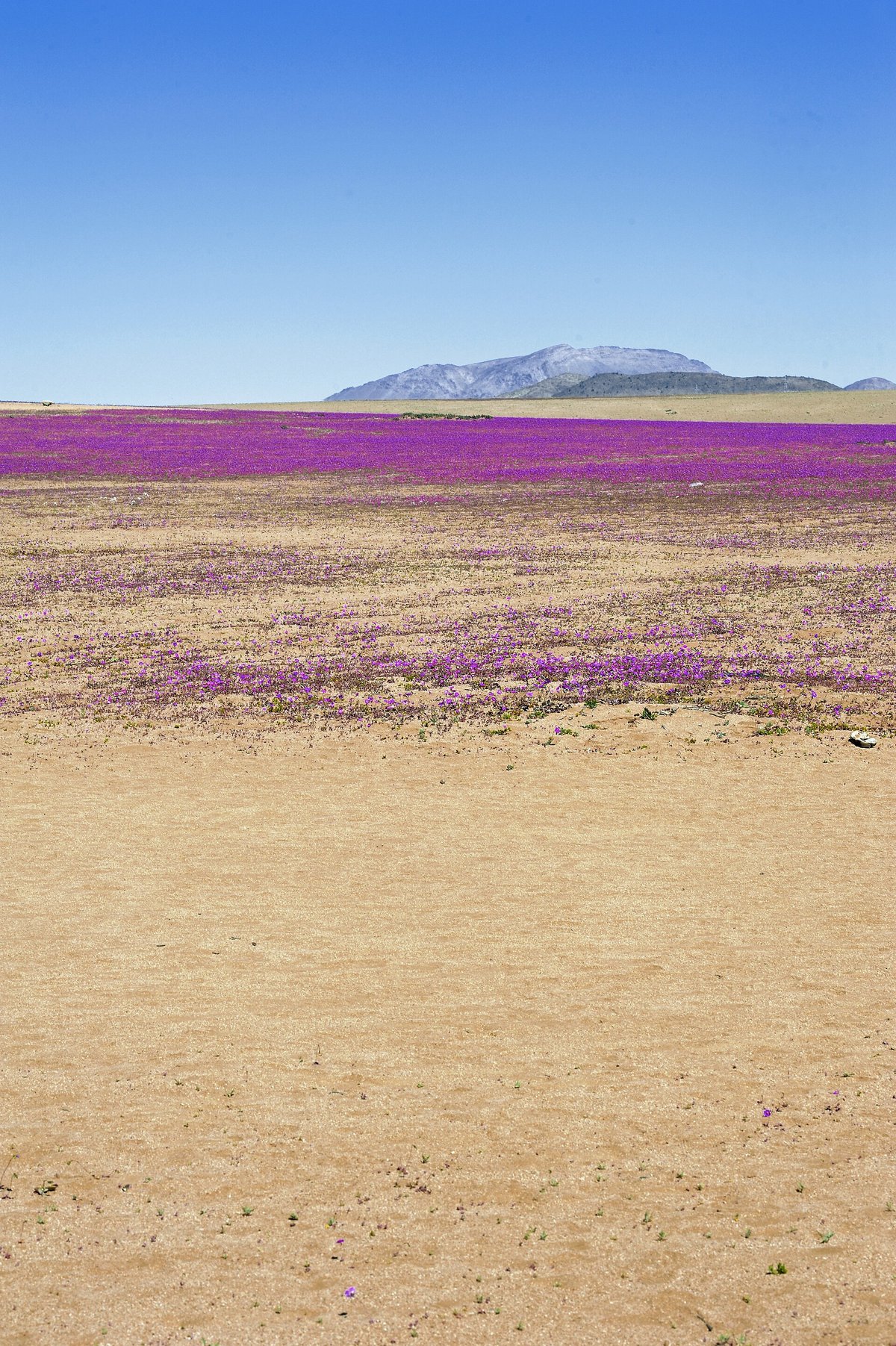
Atacama Desert Bloom — Desierto Florido Chile
The Atacama Desert superbloom — the 'Desierto Florido' — transforms the world's driest non-polar desert from grey-brown gravel to a carpet of vivid wildflowers in years of above-average rainfall (El Niño years), the dormant seeds of 200+ flower species germinating simultaneously after years or decades of dormancy. The bloom extends along the Pacific coastal plain from Copiapó to Chanaral, covering 75,000 square kilometres in pastel pink, yellow, white, and purple, the flowers' density (up to 15 million per square kilometre in peak years) creating a colour saturation visible from the coastal highway as the road curves through the blooming desert. The bloom's unpredictability (good blooms occur every 5–10 years, exceptional ones once per generation) gives each witness a sense of genuine biological privilege, and the flowers' tiny, ephemeral character — bloomed, seeded, and returned to dormancy within 2–3 weeks — creates an urgency of observation unavailable in any predictable seasonal event.
About this spectacle
In years of sufficient El Niño rainfall, the Atacama Desert undergoes one of nature's most startling transformations. The grey-brown gravel plains between Copiapó and Chañaral erupt into a dense, undulating carpet of wildflowers — pinks, yellows, whites, and purples blanketing 75,000 square kilometres of terrain that can remain bare for a decade or more. More than 200 flower species germinate simultaneously from seeds that have waited, sometimes for generations, for this precise trigger. Standing among blooms packed at densities of up to 15 million per square kilometre, visitors are enveloped by colour and a delicate, sweet fragrance on the desert breeze. The flowers are small and ephemeral — the entire event unfolds and closes within two to three weeks. Morning light catches the petals at their most saturated, and the coastal highway curves through drifts of colour stretching to the horizon. Because good blooms occur only every five to ten years, and exceptional ones once per generation, the experience carries an intensity found in no ordinary seasonal event.
When to go
Jan — Dec, peak Sep — Nov
Getting there
Nearest airport: CPO. Nearest city: Copiapó.
Booking options
Goyova doesn't process bookings directly. When you tap "Plan this trip" in the app, you'll see options from our partner providers — accommodation, tours, transport — with affiliate links where applicable. See our affiliate disclosure for details.
More like this.
 Peak season
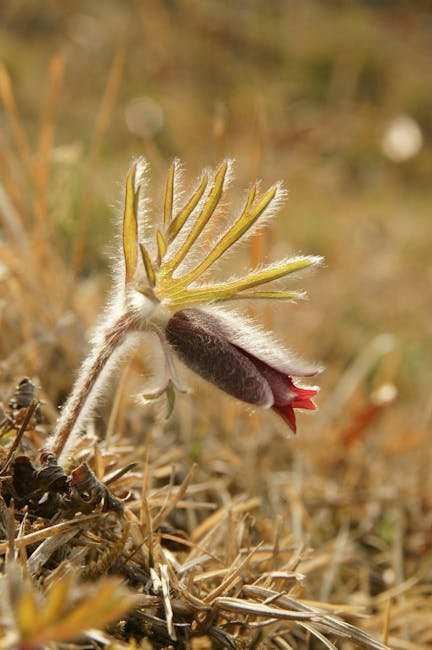
 Adonisröschen-Blüte Karlstadter Trockenrasen
Germany
 Peak season
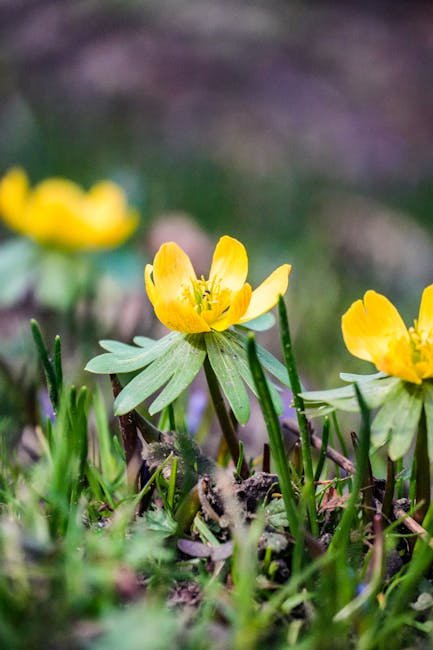
 Adonisröschen-Blüte Kyffhäuser
Germany
 Peak season
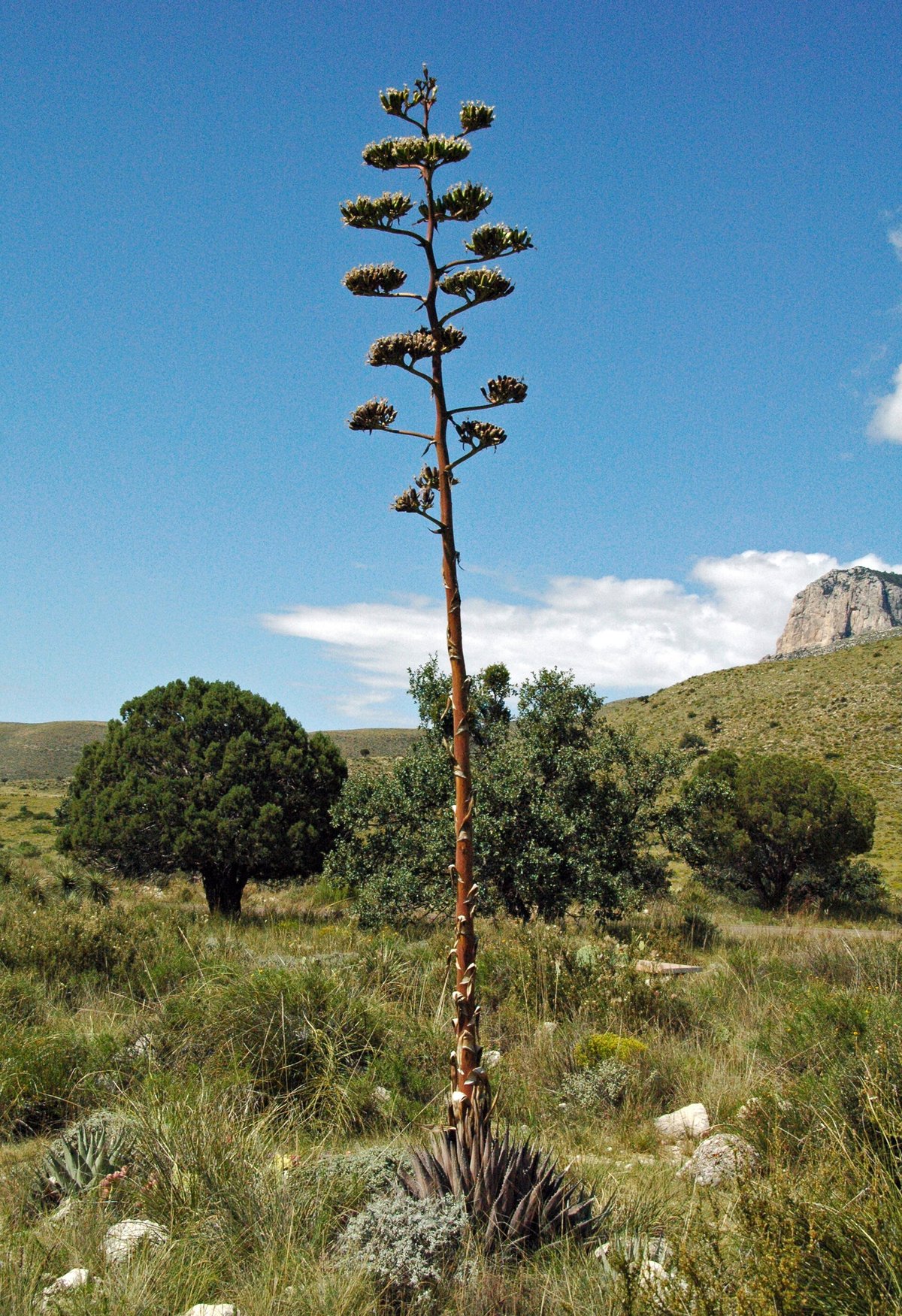
 Agave Century Plant Mass Bloom — Oaxaca Mexico
Oaxaca City, Oaxaca, Mexico