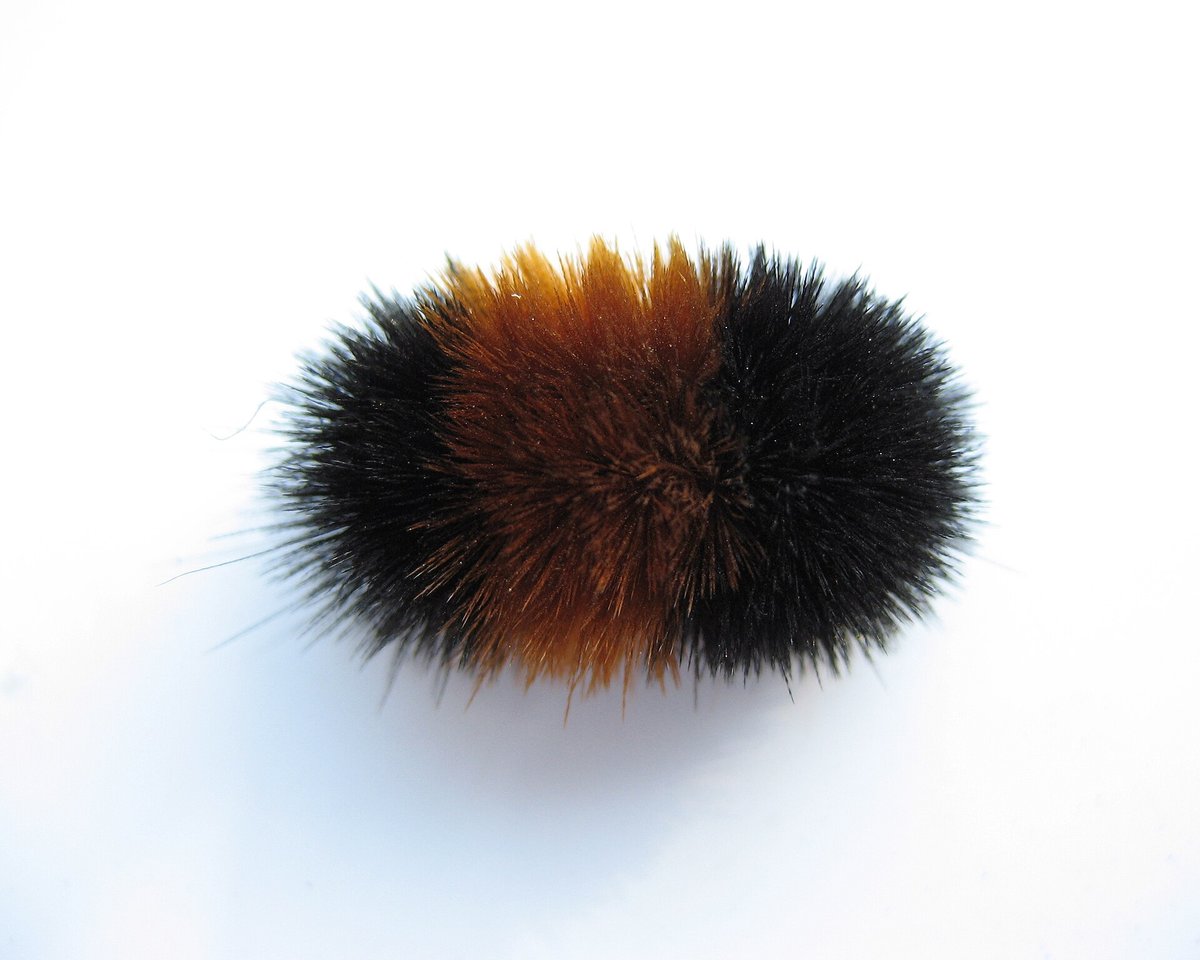
Woolly Bear Caterpillar Migration — Alps Switzerland
The woolly bear caterpillar (Arctia caja, the garden tiger moth larva) autumn migration in the Swiss Alps from August through October — the caterpillars' crossing of alpine meadows, roads, and hiking paths in search of overwintering sites, their dense black-and-russet banding visible on the short-cropped alpine turf — creates one of the Alps' most unexpectedly visible insect encounters. At Graubünden's Engadin Valley and the Bernese Oberland's higher-altitude meadows, woolly bear crossings concentrate on warm September afternoons, and the caterpillar's well-known folk-weather-prediction role (the russet band's width supposedly predicting winter severity, a myth with no scientific basis but considerable cultural persistence) gives each encounter a narrative dimension. The woolly bear's combination of its tactile appeal (the dense hairs, harmless to handle), the alpine meadow context, and the autumn colour landscape creates one of the mountain world's most charming small-creature seasonal encounters.
About this spectacle
On warm September afternoons in the Engadin Valley and Bernese Oberland, woolly bear caterpillars — the larvae of the garden tiger moth (Arctia caja) — emerge in numbers, crossing alpine meadows, hiking paths, and mountain roads in their search for overwintering sites. Their striking dense black-and-russet banding stands out vividly against the short-cropped alpine turf, especially where autumn grasses are beginning to turn gold and amber. Visitors often encounter dozens in a single meadow crossing, each caterpillar moving with unhurried purpose. The creatures are harmless to handle — their dense hairs are purely textural, not irritating — and the intimacy of crouching on an alpine meadow to watch one navigate a blade of grass is genuinely memorable. This is not a thundering spectacle but a quietly charming one: the scale is small, the setting grand, and the combination of autumn colour, mountain air, and unexpectedly charismatic insects creates a distinctive sensory encounter. The folk tradition of reading winter severity from the russet band's width adds a playful narrative layer to every sighting.
When to go
Aug — Oct, peak Sep
Getting there
Nearest airport: ZRH. Nearest city: St. Moritz.
Booking options
Goyova doesn't process bookings directly. When you tap "Plan this trip" in the app, you'll see options from our partner providers — accommodation, tours, transport — with affiliate links where applicable. See our affiliate disclosure for details.
More like this.
 Peak season
 Aardvark Night Foraging — Kalahari Botswana
Maun, Central District, BW
 Peak season
 Aardvark Night Foraging — Kalahari South Africa
Upington, Northern Cape, South Africa
 Returns Jan 2027
 Adélie Penguin Highway — Ross Sea Antarctica
Cape Royds, Antarctica, AQ