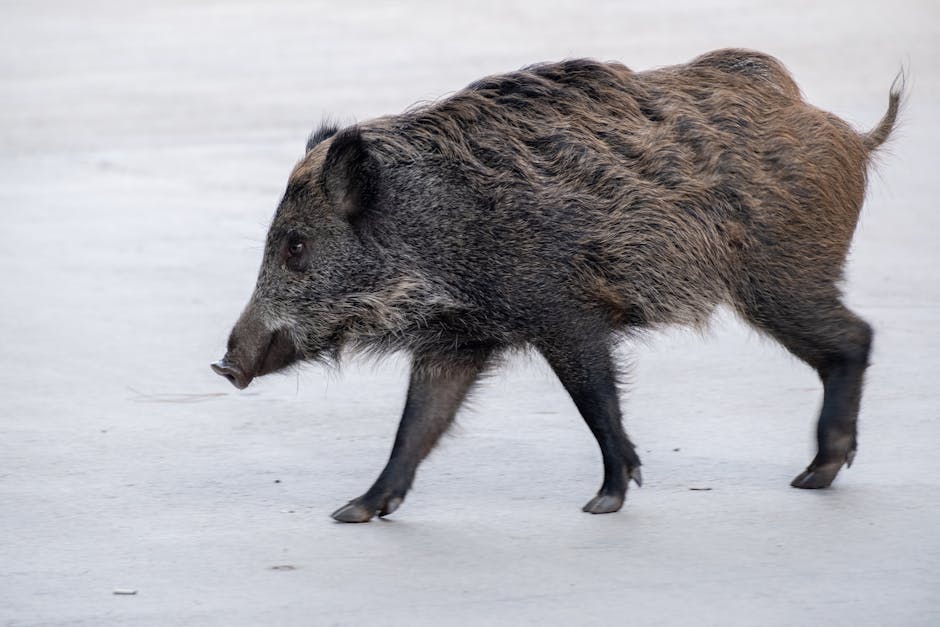
Wild Boar Rut — Cévennes National Park France
The wild boar (Sus scrofa) rut in the Cévennes National Park from November through January — the males' extensive scent-marking (the tusk-marking of chestnut trees visible as parallel gouges at boar height across the entire forest), the nocturnal gathering around estrus females, and the sound of the competing males' combat (the grunting and tusk clashes audible from 200 metres in the still Cévennes night) — creates one of France's finest accessible large mammal rut encounters in one of its least-visited national parks. The Cévennes' combination of the wild boar rut, the golden eagle pair's territory in the granite ridges, and the European otter's recolonisation of the Tarn headwaters creates a national park of unexpected wildlife richness in the southern Massif Central. The boar's population's extraordinary ecological impact on the Cévennes (the rooting creates bare-ground patches critical for several rare plants and for reptile basking sites) makes the rut encounter simultaneously a wildlife and a botanical conservation narrative.
About this spectacle
Deep in the chestnut forests of the Cévennes National Park, the November-to-January wild boar rut transforms a rarely visited landscape into a theatre of raw mammal drama. Parallel tusk-gouges scar chestnut bark at boar height throughout the forest — a visible record of territorial marking that persists long after the animals have moved on. At dawn, when the Cévennes valleys fall silent and cold air carries sound across the granite ridges, the deep grunting of competing males and the sudden crack of tusk clashes can be heard clearly from 200 metres away. Nocturnal gatherings around estrus females make early morning vigils the most rewarding approach: visitors settled quietly at forest edges may witness chases, standoffs, and the impressive physical bulk of mature boars at close range. Underfoot, the rooted and churned soil tells a secondary story — the boars' ecological impact creating bare-ground patches vital for rare plants and reptile basking sites. The Cévennes is among France's least-visited national parks, lending the encounter an unusual quality of solitude rarely found during a major mammal rut in Europe.
When to go
Jan — Dec, peak Nov — Jan
Getting there
Nearest airport: MPL. Nearest city: Montpellier.
Booking options
Goyova doesn't process bookings directly. When you tap "Plan this trip" in the app, you'll see options from our partner providers — accommodation, tours, transport — with affiliate links where applicable. See our affiliate disclosure for details.
More like this.
 Peak season
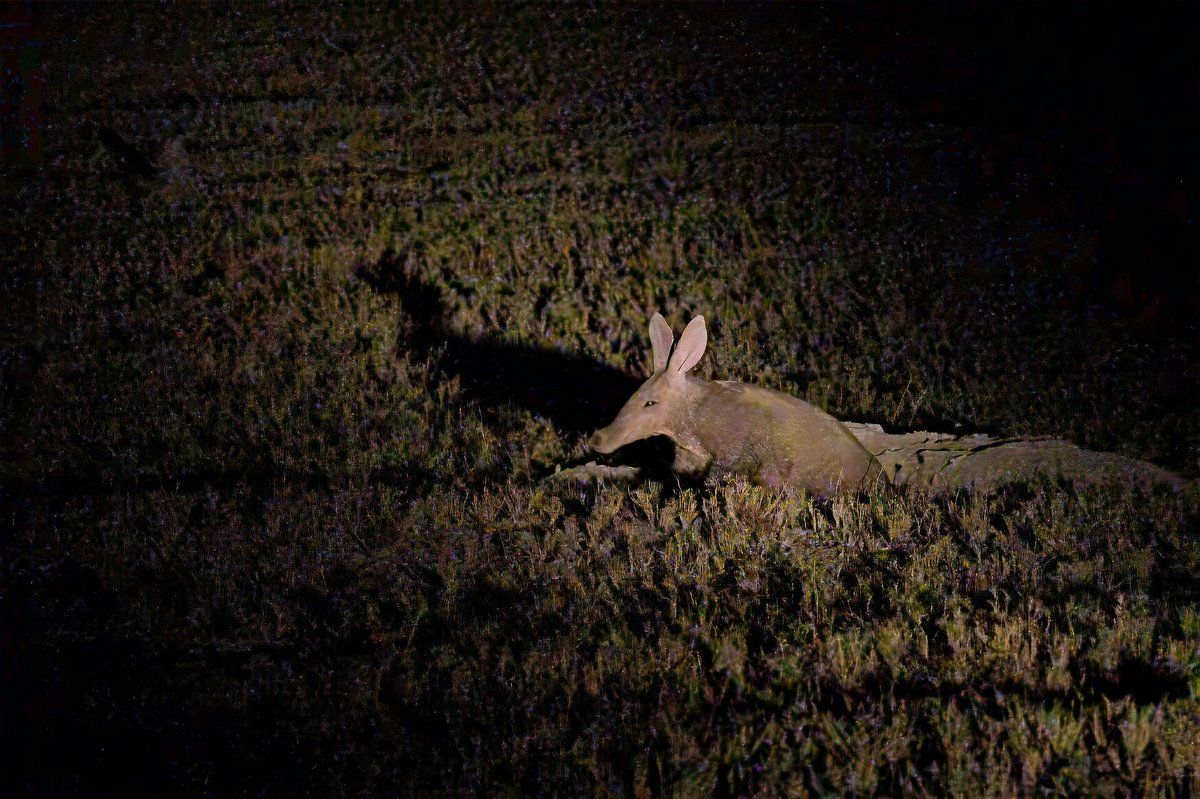
 Aardvark Night Foraging — Kalahari Botswana
Maun, Central District, BW
 Peak season
 Aardvark Night Foraging — Kalahari South Africa
Upington, Northern Cape, South Africa
 Returns Jan 2027
 Adélie Penguin Highway — Ross Sea Antarctica
Cape Royds, Antarctica, AQ