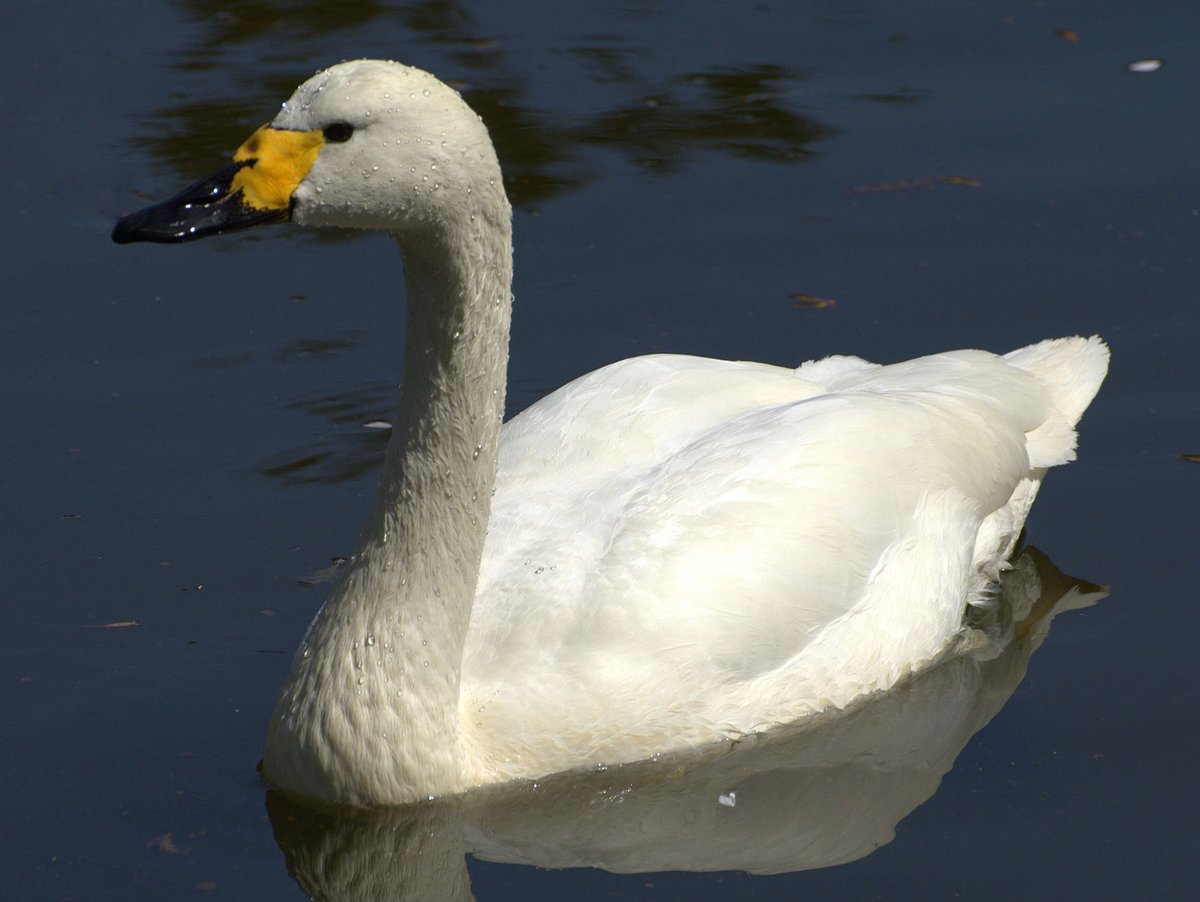
Tundra Swan Migration — Slimbridge England
The Wildfowl and Wetlands Trust Slimbridge reserve on the Severn Estuary hosts the UK's finest accessible tundra swan wintering experience — 400–600 Bewick's swans (Cygnus columbianus bewickii) and occasional whooper swans (Cygnus cygnus) wintering from October through February, their daily flight from the estuary saltmarshes to the reserve's scrapes visible from the Peter Scott Observatory. The Bewick's swan's individual yellow-and-black bill pattern (no two birds identical, the basis of Sir Peter Scott's lifetime study at Slimbridge begun in 1964) allows recognition of returning individuals, and the reserve's researchers' tracking of individual swans' life histories over 60 years creates a dataset of extraordinary scientific value visible in real time. The evening swan feed — wildfowl grain broadcast as the 400+ swans return from the estuary, their bugling calls filling the Severn plain — is one of England's finest winter wildlife performances.
About this spectacle
On winter evenings at WWT Slimbridge, the Severn plain fills with the bugling calls of 400–600 Bewick's swans as they return from the estuary saltmarshes to the reserve's scrapes. From the Peter Scott Observatory, visitors watch wave after wave of white birds descend against the fading light, grain broadcast across the water drawing them close enough to study the yellow-and-black bill patterns that make each individual uniquely identifiable. No two birds are alike — a fact Sir Peter Scott turned into a 60-year research dataset still being built upon today. Whooper swans occasionally join the gathering. Mornings bring a reverse spectacle: the daily departure flight back toward the estuary. The reserve's hides and heated observatories make this a genuinely comfortable cold-weather experience, and the interpretive displays help visitors understand what they are witnessing. The combination of extraordinary numbers, auditory drama, and the scientific intimacy of recognising named returning individuals makes this one of England's most emotionally affecting wildlife encounters.
When to go
Oct — Feb, peak Nov — Jan
Getting there
Nearest airport: BRS. Nearest city: Gloucester.
Booking options
Goyova doesn't process bookings directly. When you tap "Plan this trip" in the app, you'll see options from our partner providers — accommodation, tours, transport — with affiliate links where applicable. See our affiliate disclosure for details.
More like this.
 Peak season
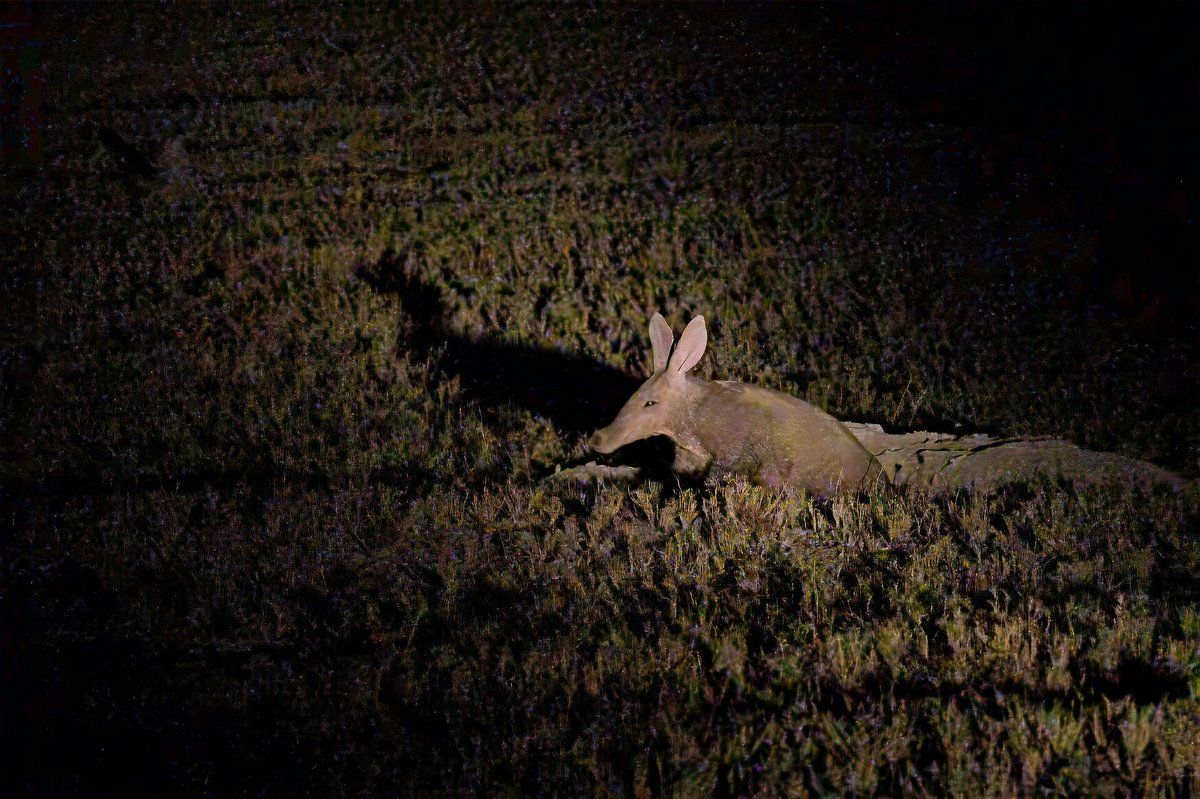
 Aardvark Night Foraging — Kalahari Botswana
Maun, Central District, BW
 Peak season
 Aardvark Night Foraging — Kalahari South Africa
Upington, Northern Cape, South Africa
 Returns Jan 2027
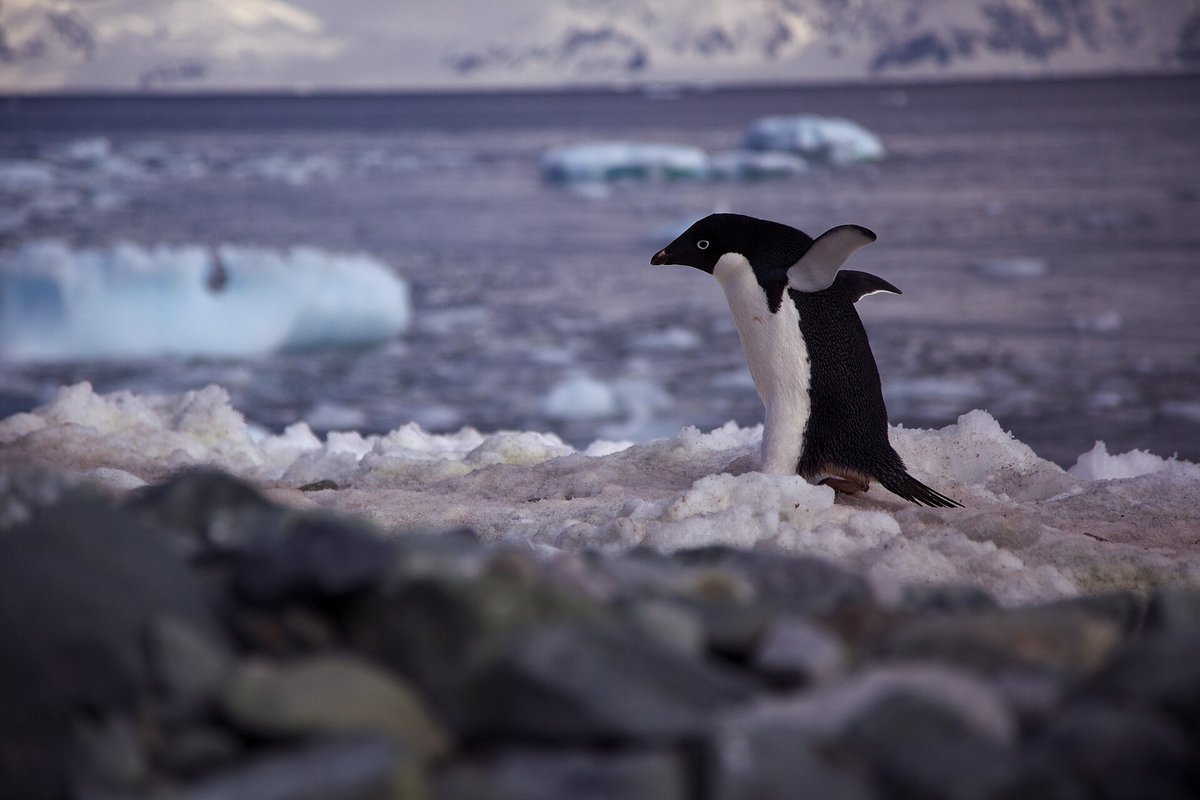
 Adélie Penguin Highway — Ross Sea Antarctica
Cape Royds, Antarctica, AQ