
Tiger Safari — Ranthambore National Park
Ranthambore National Park in Rajasthan is India's most photographed tiger reserve and the location of many iconic tiger images, as Bengal tigers hunt openly among the ruins of the 10th-century Ranthambore fort and the ancient lakes of this former royal hunting ground in a combination of wildlife encounter and historical landscape found nowhere else in the tiger's range. The park's relative openness — dry deciduous forest alternating with grassland and lake margins — creates visibility conditions exceptional for tiger sighting, and the tigers' semi-habituated tolerance of the park's zone-based vehicle system allows extended photographic opportunities at ranges sometimes under 10 metres. Ranthambore's female tigers are particularly well-studied, with individual names and decades of behavioural records creating a biographical depth to each encounter that transforms a tiger sighting into a meeting with a known individual personality. The ancient banyan trees, crocodile-filled lakes, and the fort's crumbling battlements above the tiger hunting grounds create an atmosphere of magical historical overlay impossible in any purpose-built game reserve. The dry season from March through June, when the lake levels drop and vegetation thins, produces the highest tiger sighting frequency and the most dramatic landscape conditions for photography.
About this spectacle
Ranthambore National Park delivers one of the world's most theatrical wildlife encounters: Bengal tigers moving openly through a mosaic of dry deciduous forest, grassland, and ancient lake margins, often in full view of safari vehicles for extended periods. The park's open terrain and semi-habituated tigers mean sightings frequently occur at extraordinarily close range — sometimes under ten metres — allowing visitors to observe individual, named females whose life histories span decades of study. The backdrop is unlike any other tiger habitat: the crumbling ramparts of the 10th-century Ranthambore fort loom above crocodile-filled lakes while banyan trees frame the golden light of early morning drives. Peak season from March through June brings lower vegetation and retreating water levels that concentrate wildlife near the remaining lakes, maximising sighting frequency and photographic drama. Each game drive is zone-based, operating in dedicated sectors with a limited number of vehicles, creating a structured yet genuinely wild encounter.
When to go
Oct — Jun, peak Mar — Jun
Getting there
Nearest airport: JAI. Nearest city: Jaipur.
Booking options
Goyova doesn't process bookings directly. When you tap "Plan this trip" in the app, you'll see options from our partner providers — accommodation, tours, transport — with affiliate links where applicable. See our affiliate disclosure for details.
More like this.
 Peak season
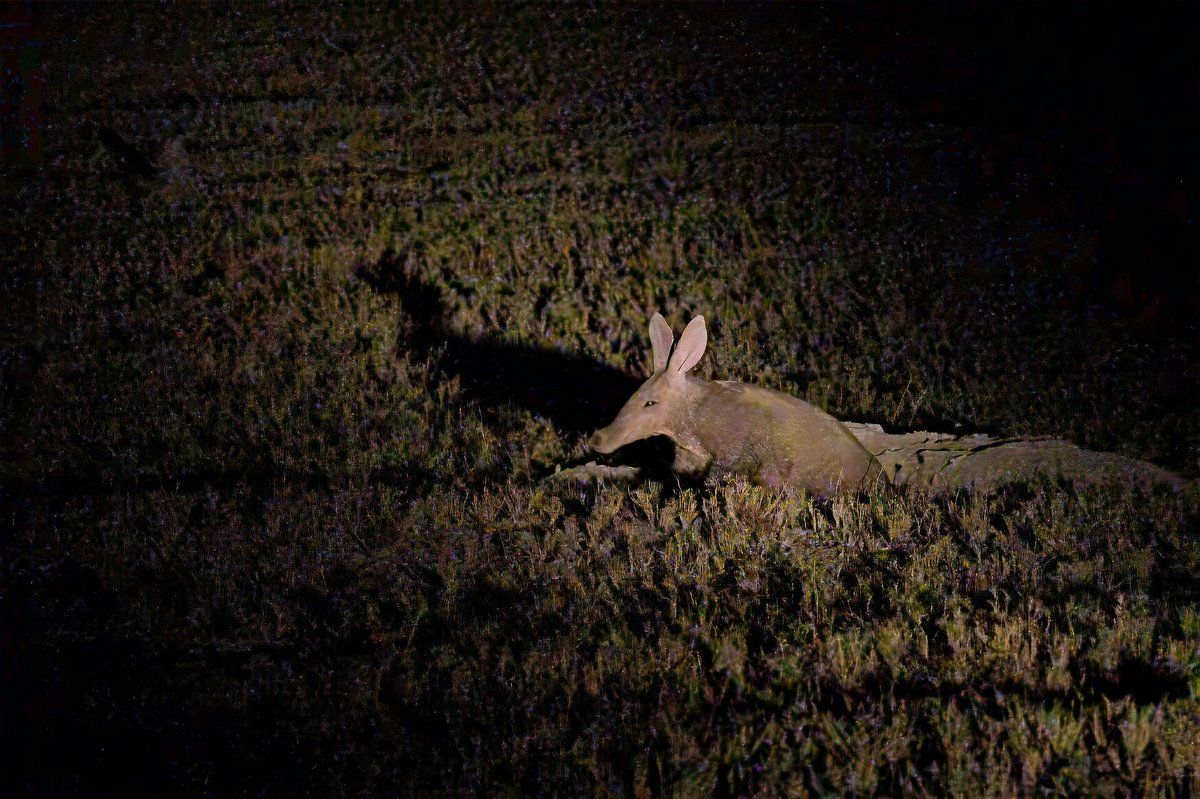
 Aardvark Night Foraging — Kalahari Botswana
Maun, Central District, BW
 Peak season
 Aardvark Night Foraging — Kalahari South Africa
Upington, Northern Cape, South Africa
 Returns Jan 2027
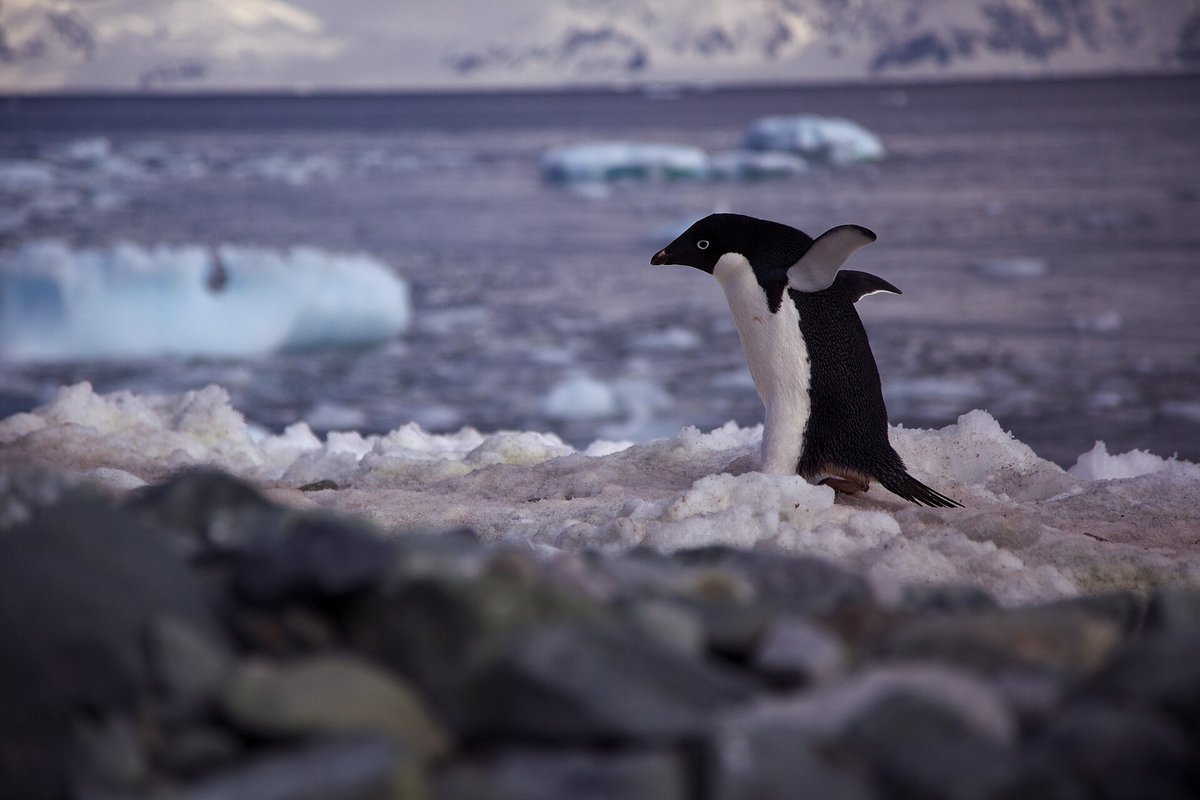
 Adélie Penguin Highway — Ross Sea Antarctica
Cape Royds, Antarctica, AQ