
Tapir Mineral Lick — Yasuni Amazon
The mineral licks — collpas — of Ecuador's Yasuní National Park attract Baird's tapirs, South America's largest land mammal, in dawn visits to exposed clay banks where they consume mineral-rich soil to supplement their forest diet, creating one of the Amazon's most reliable large mammal encounters at dawn hides positioned above the lick with clear sightlines to the riverbank below. The tapir's extraordinary appearance — its long mobile proboscis, barrel body, and stripe-spotted young creating an animal of Pleistocene character — is fully visible at the collpa hides where the animals stand in the open for 20 to 40 minutes consuming clay with methodical concentration. The Yasuní collpas also attract giant anteaters, peccaries, and the extraordinary variety of Amazon parrots and macaws that descend to the clay licks in the afternoon — hundreds of birds consuming clay simultaneously in a spectacle of colour and noise visible from the same riverside hides used for the dawn tapir encounter. The Yasuní ecosystem — straddling the equator in Ecuador's Amazonian lowland — is by some measures the most biodiverse place on Earth, with more tree species in one hectare than in all of North America, and the collpa visit sits within a wildlife context of extraordinary richness. The overnight canoe journey to the collpa hides through the Yasuní's waterways adds the dimension of an Amazonian night voyage — the river surface phosphorescent with bioluminescent plankton and the forest alive with the calls of potoos and nightjars.
About this spectacle
Before dawn, a canoe glides through Yasuní's dark waterways — the river surface glimmering with bioluminescent plankton, the forest ringing with potoos and nightjars — arriving at a riverside hide positioned above an exposed clay bank. As light filters through the canopy, Baird's tapirs emerge from the forest edge: barrel-bodied, prehistoric in silhouette, their long mobile proboscises probing the clay with calm deliberation. Animals stand in the open for 20 to 40 minutes, close enough to study the stripe-spotted pattern on their calves. The same hides serve an afternoon performance as hundreds of parrots and macaws descend to the collpa simultaneously — a storm of colour and sound against the clay wall. Giant anteaters and white-lipped peccaries move through the understorey between sessions. Visitors sit in near silence above one of the most biodiverse ecosystems on Earth, watching mammals and birds that have visited this bank for generations, with the Amazonian waterway and unbroken forest canopy as backdrop.
When to go
Jan — Dec
Getting there
Nearest airport: MCH. Nearest city: Coca (Puerto Francisco de Orellana).
Booking options
Goyova doesn't process bookings directly. When you tap "Plan this trip" in the app, you'll see options from our partner providers — accommodation, tours, transport — with affiliate links where applicable. See our affiliate disclosure for details.
More like this.
 Peak season
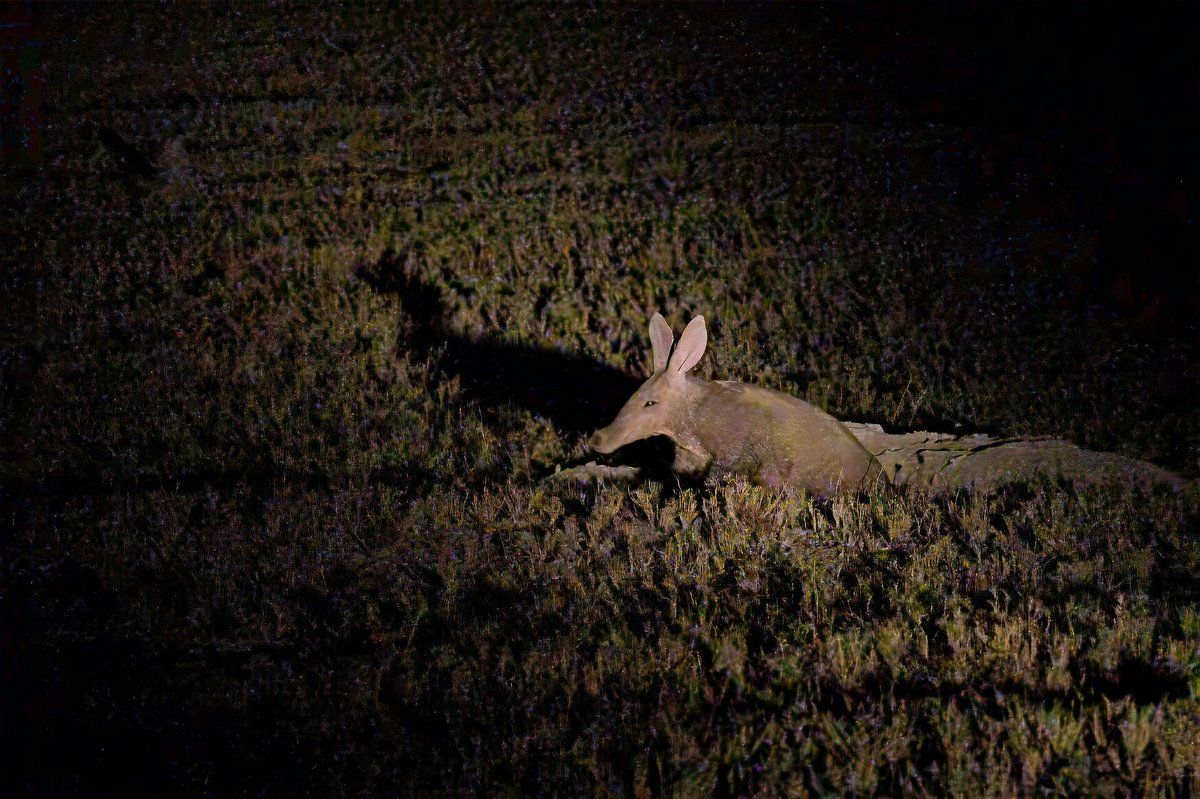
 Aardvark Night Foraging — Kalahari Botswana
Maun, Central District, BW
 Peak season
 Aardvark Night Foraging — Kalahari South Africa
Upington, Northern Cape, South Africa
 Returns Jan 2027
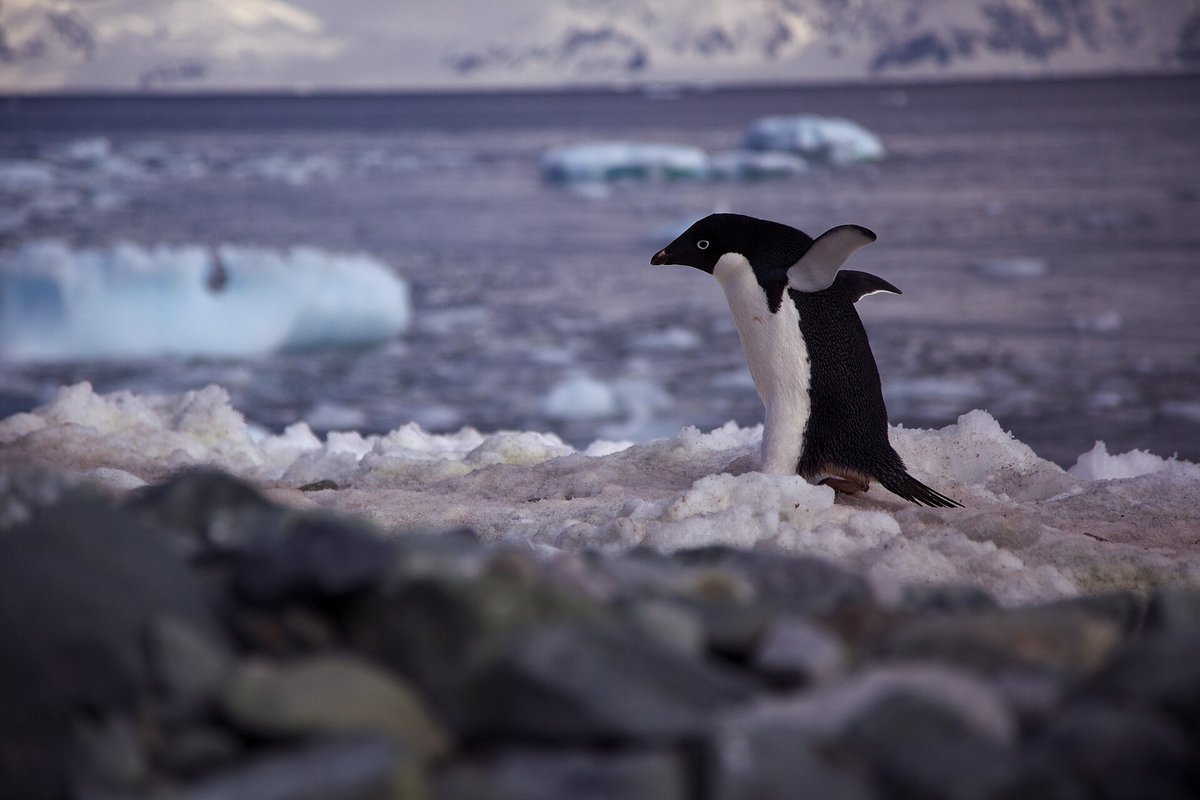
 Adélie Penguin Highway — Ross Sea Antarctica
Cape Royds, Antarctica, AQ