
Springbok Migration — Kgalagadi
Each year following good rains in the Kgalagadi Transfrontier Park straddling South Africa and Botswana, springbok gather in herds of thousands on the red dune grasslands in one of southern Africa's last large-scale antelope aggregations — a remnant of the legendary trekbokken migrations of historical times when tens of millions of springbok crossed the Karoo in columns 25 kilometres wide that took days to pass a fixed point. The modern Kgalagadi aggregations of 5,000 to 50,000 springbok — triggered by the ephemeral greening of the Auob and Nossob river valleys after rain — create a spectacle of considerable scale and movement on a landscape of deep red sand dunes, isolated camelthorn acacias, and wide Kalahari sky. The black-flanked springbok perform their characteristic pronking — explosive vertical leaps with the back arched and the white dorsal crest fanned — in coordinated group displays when alarmed by the predators that follow the aggregations. Lion, leopard, cheetah, and brown hyena concentrate on the springbok herds, creating predator-prey interaction of exceptional intensity. The Kgalagadi's combination of dramatic Kalahari desert landscape, the springbok aggregations, and the highest cheetah density of any park in Africa makes this one of southern Africa's finest wildlife destinations outside of the major East African parks.
About this spectacle
Standing on the red dunes of the Kgalagadi at dawn, you watch the grasslands below shift and ripple as thousands of springbok move in loose, restless columns. The air carries dust and the low rumble of hooves. Groups of springbok suddenly pronk — launching themselves skyward with backs arched and white dorsal crests fanned open — triggered by the shadow of a circling raptor or a cheetah breaking from cover. The wide Kalahari sky turns coral then gold, silhouetting camelthorn acacias against herds that can stretch to the horizon. Lion prides work the edges of aggregations in the early morning cool; cheetah sprint in explosive bursts across the open pans. The Auob and Nossob river valleys, greened briefly by seasonal rains, funnel the animals into concentrated, photogenic corridors of red sand and pale grass. The scale is not the tens of millions of the old trekbokken, but 5,000 to 50,000 animals moving through a landscape unchanged in character from those historical passages — enough to feel the weight of what Africa's grasslands once held.
When to go
Jan — Dec, peak Dec — Mar
Getting there
Nearest airport: UPP. Nearest city: Upington.
Booking options
Goyova doesn't process bookings directly. When you tap "Plan this trip" in the app, you'll see options from our partner providers — accommodation, tours, transport — with affiliate links where applicable. See our affiliate disclosure for details.
More like this.
 Peak season
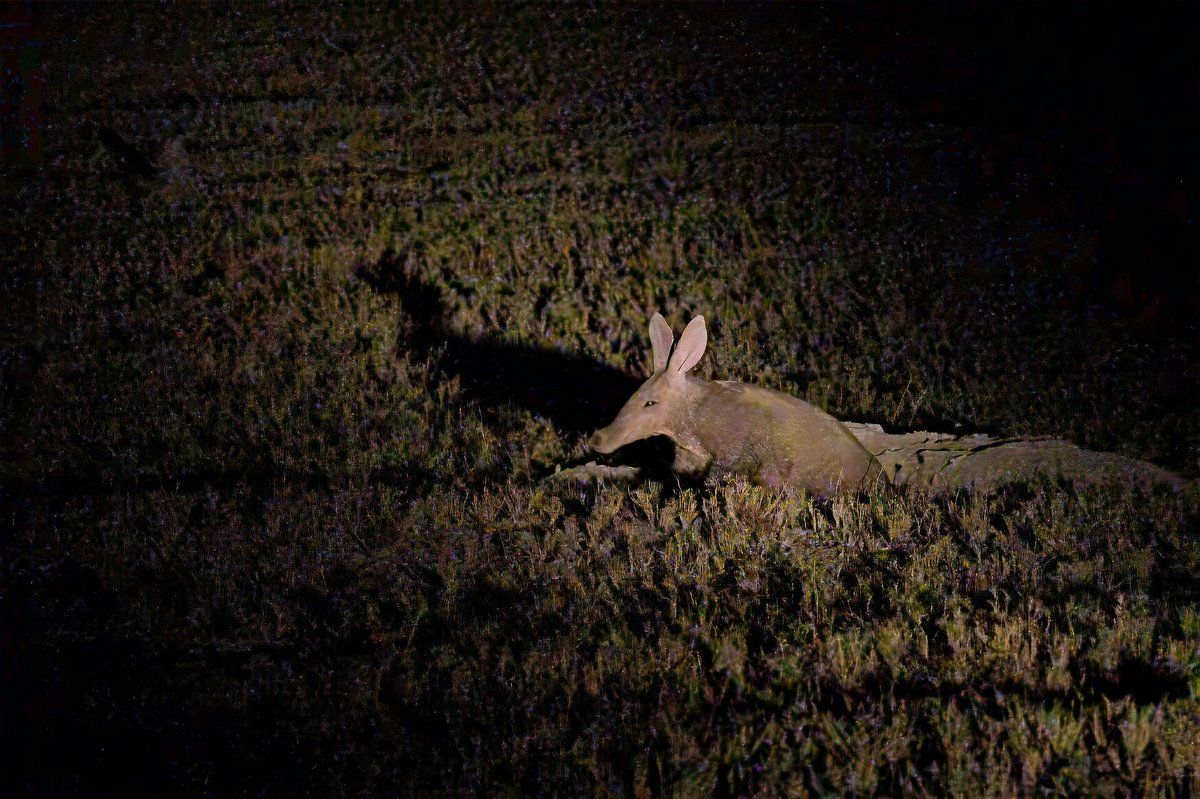
 Aardvark Night Foraging — Kalahari Botswana
Maun, Central District, BW
 Peak season
 Aardvark Night Foraging — Kalahari South Africa
Upington, Northern Cape, South Africa
 Returns Jan 2027
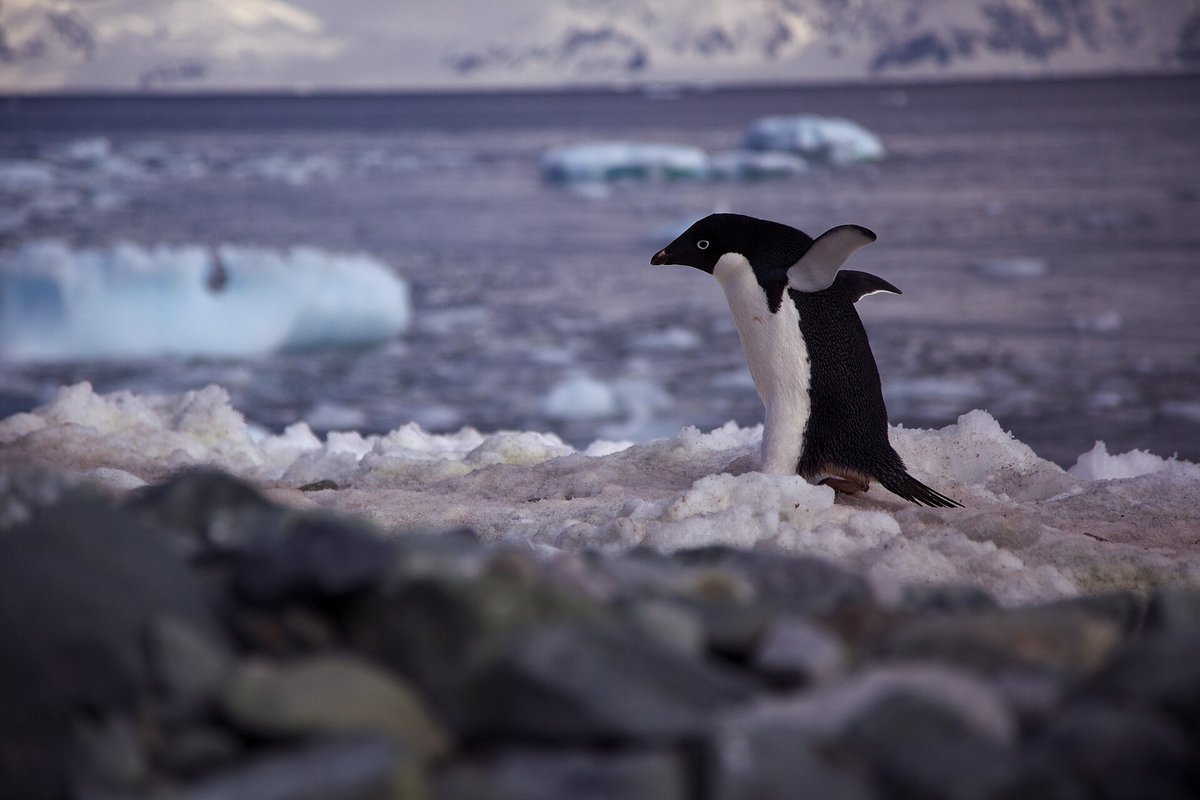
 Adélie Penguin Highway — Ross Sea Antarctica
Cape Royds, Antarctica, AQ