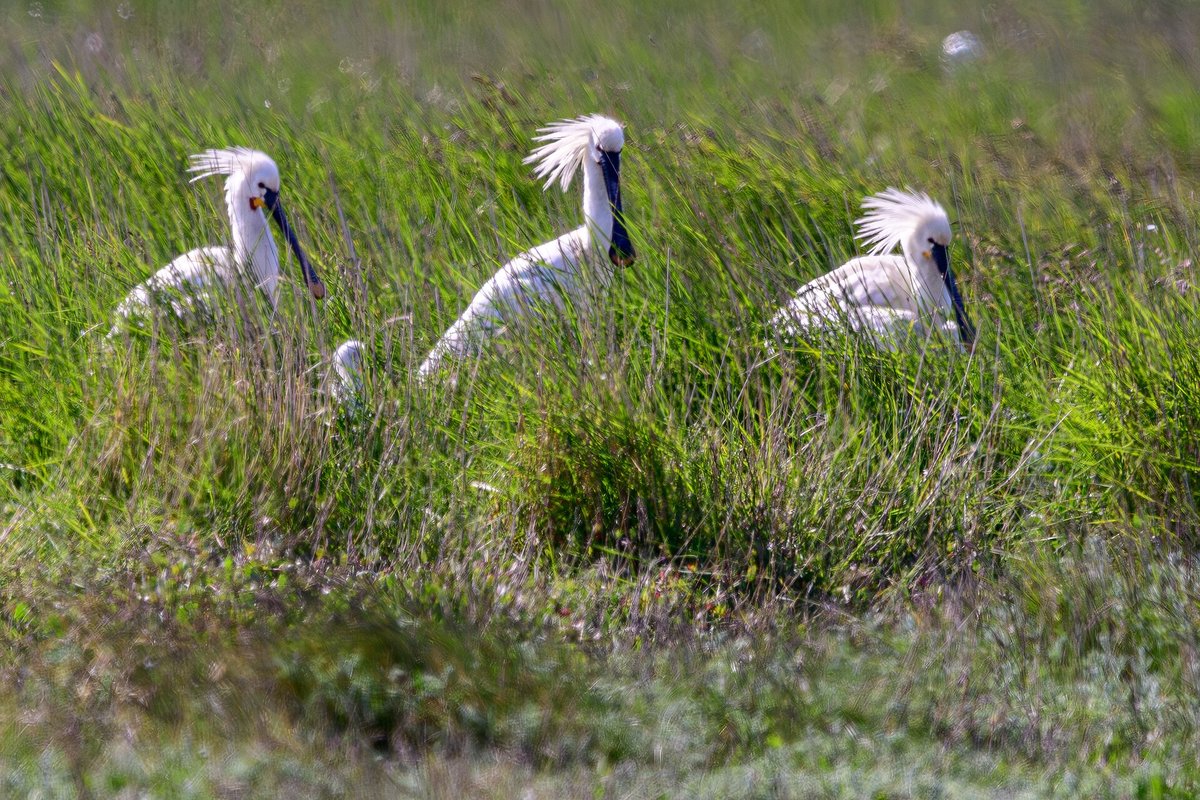
Spoonbill Colony — Texel Netherlands
The island of Texel in the Dutch Wadden Sea hosts the most accessible spoonbill breeding colony in Western Europe, with over 1,000 pairs nesting in the dune scrub of the De Muy and De Slufter nature reserves and feeding in the shallow Wadden Sea channels in full view of observation hides just metres from the colony — one of the most intimate encounters with this extraordinary spatula-billed wading bird available anywhere on the continent. The spoonbill's recovery in the Netherlands from near-extinction in the 1960s to over 3,000 pairs today is one of Western Europe's great conservation success stories, and Texel's colony — the largest in the country — demonstrates the species at its most accessible and behaviourally varied. Watching spoonbills sweep their flat bills from side to side through the water in their characteristic feeding action, preen their snow-white breeding plumage on the colony branches, and return with fish for chicks within metres of the public hide is an experience of remarkable wildlife intimacy. The surrounding Texel landscape of Dutch polder, salt marsh, and North Sea beach combines with the Wadden Sea tidal channels — a UNESCO World Heritage Site — to create one of the Netherlands' finest single-island wildlife destinations. April and May at Texel add black-tailed godwits, avocets, and hundreds of breeding marsh harriers to a single island visit.
About this spectacle
Standing at the observation hide at De Muy, you watch spoonbills just metres away — snow-white adults sweeping their extraordinary spatula bills rhythmically through shallow water, a motion unlike anything else in European birdlife. Breeding birds preen on colony branches, crests raised in yellow-tinged display plumage, while others glide in low over the dune scrub carrying fish for downy chicks. The soundscape mixes the soft grunting calls of the colony with the whistling of black-tailed godwits and the mewing of marsh harriers patrolling overhead. Tidal channels glint beyond the reserve, and on clear days the North Sea beach is visible. Dawn brings the most activity: birds returning from overnight roosts, colony disputes, and intimate close-range feeding sequences in the shallow channels. The combination of a thousand-plus nesting pairs, purpose-built hides at colony-edge proximity, and the surrounding Wadden Sea tidal landscape makes this the defining accessible spoonbill experience in Western Europe — a wildlife encounter measured not in distant binocular dots but in metres.
When to go
Mar — Oct, peak Apr — Jun
Getting there
Nearest airport: AMS. Nearest city: Den Helder.
Booking options
Goyova doesn't process bookings directly. When you tap "Plan this trip" in the app, you'll see options from our partner providers — accommodation, tours, transport — with affiliate links where applicable. See our affiliate disclosure for details.
More like this.
 Peak season
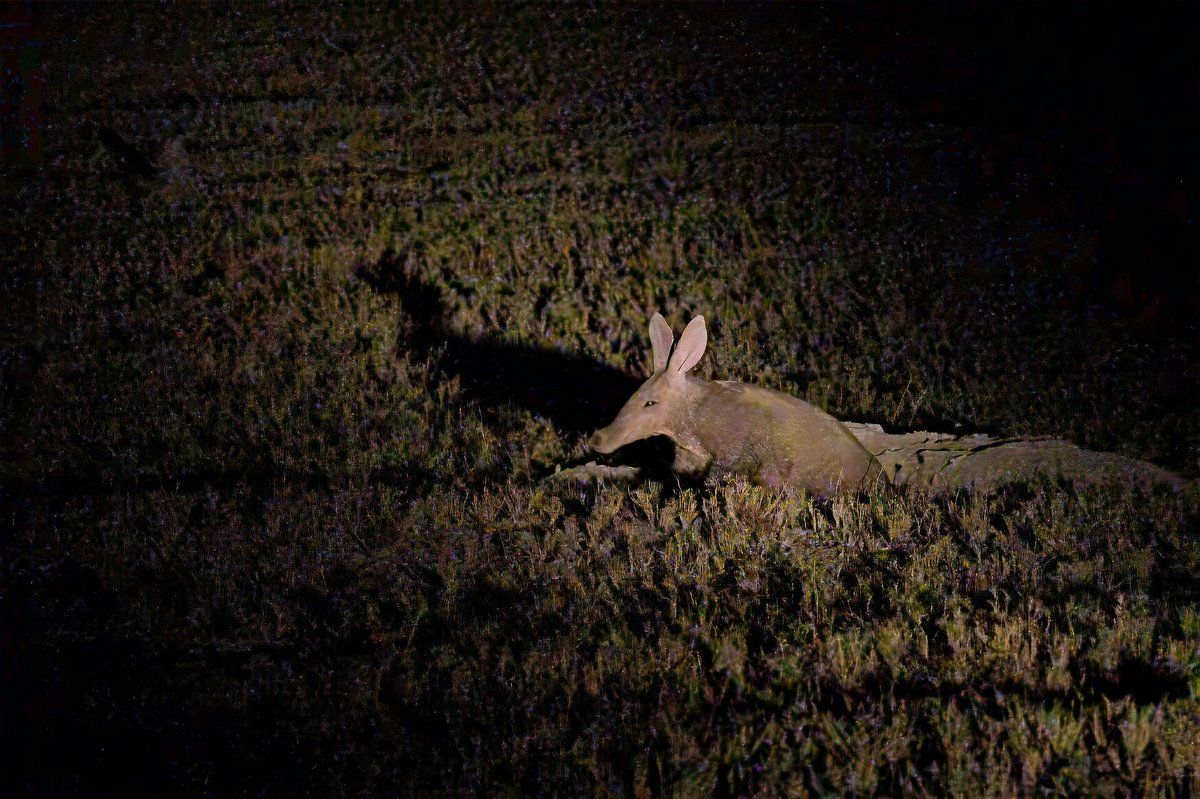
 Aardvark Night Foraging — Kalahari Botswana
Maun, Central District, BW
 Peak season
 Aardvark Night Foraging — Kalahari South Africa
Upington, Northern Cape, South Africa
 Returns Jan 2027
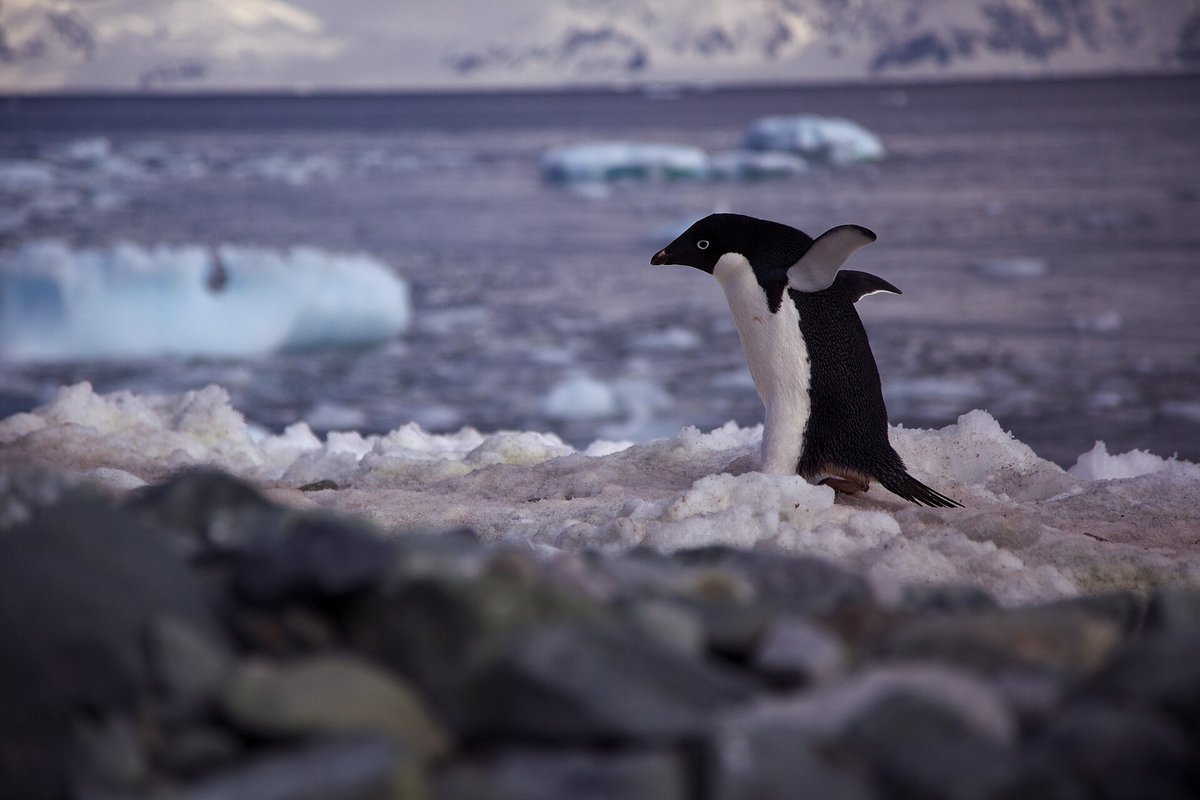
 Adélie Penguin Highway — Ross Sea Antarctica
Cape Royds, Antarctica, AQ