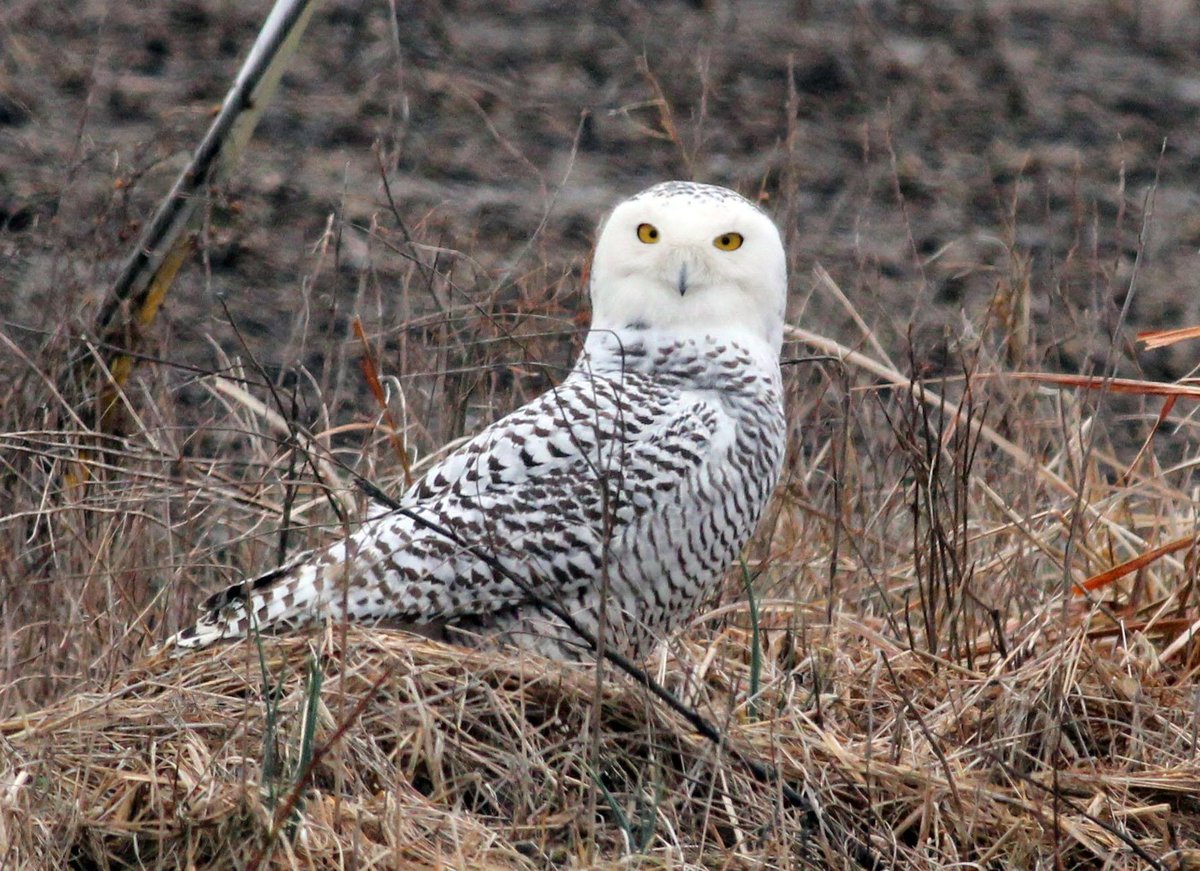
Snowy Owl Irruption Season — Northern USA
Snowy owl irruptions occur roughly every 4–5 years when lemming populations crash in the Canadian and Greenlandic Arctic, forcing juvenile snowy owls — born in large clutches during lemming boom years — south into the northern United States in search of food. During major irruption years, snowy owls appear on airport runways (their preferred open hunting habitat, resembling tundra), beach dunes, farm fields, and urban park structures from the Great Lakes to New England and the Pacific Northwest. In 2013–14 — the largest irruption in living memory — over 2,500 snowy owls were recorded across the US, many in cities where the birds showed no fear of human observers. The experience of watching a large white owl hunt in daylight over a snowy New England landscape, with its remarkable yellow-eyed stillness broken by sudden precise dives, is one of North America's most accessible wild spectacles in irruption years.
About this spectacle
During irruption years — roughly every 4–5 years — snowy owls abandon their Arctic breeding grounds and push south into the northern United States, and coastal locations like Salisbury Beach in Massachusetts become prime watching sites. Visitors scanning the open dunes and beach wrack lines may spot a large, pale owl perched motionless on a driftwood log, fence post, or rooftop, its brilliant yellow eyes fixed on the flats below. Unlike most owls, snowy owls hunt actively in daylight, making dramatic low-gliding passes and sudden pinpoint dives into sand or snow. The bird's sheer size — nearly two feet tall, with a wingspan approaching five feet — makes it unmistakable against a grey winter sky or snow-dusted beach. The best mornings bring cold, clear air and a quiet beach with few people, allowing prolonged, unobstructed views at surprisingly close range. The birds show little fear of calm observers, offering rare extended looks. The contrast of a brilliant white predator against a bleached winter shoreline is visually arresting, and the silence between hunts underscores the wildness of the moment.
When to go
Nov — Apr, peak Dec — Mar
Getting there
Nearest airport: BOS. Nearest city: Boston.
Booking options
Goyova doesn't process bookings directly. When you tap "Plan this trip" in the app, you'll see options from our partner providers — accommodation, tours, transport — with affiliate links where applicable. See our affiliate disclosure for details.
More like this.
 Peak season
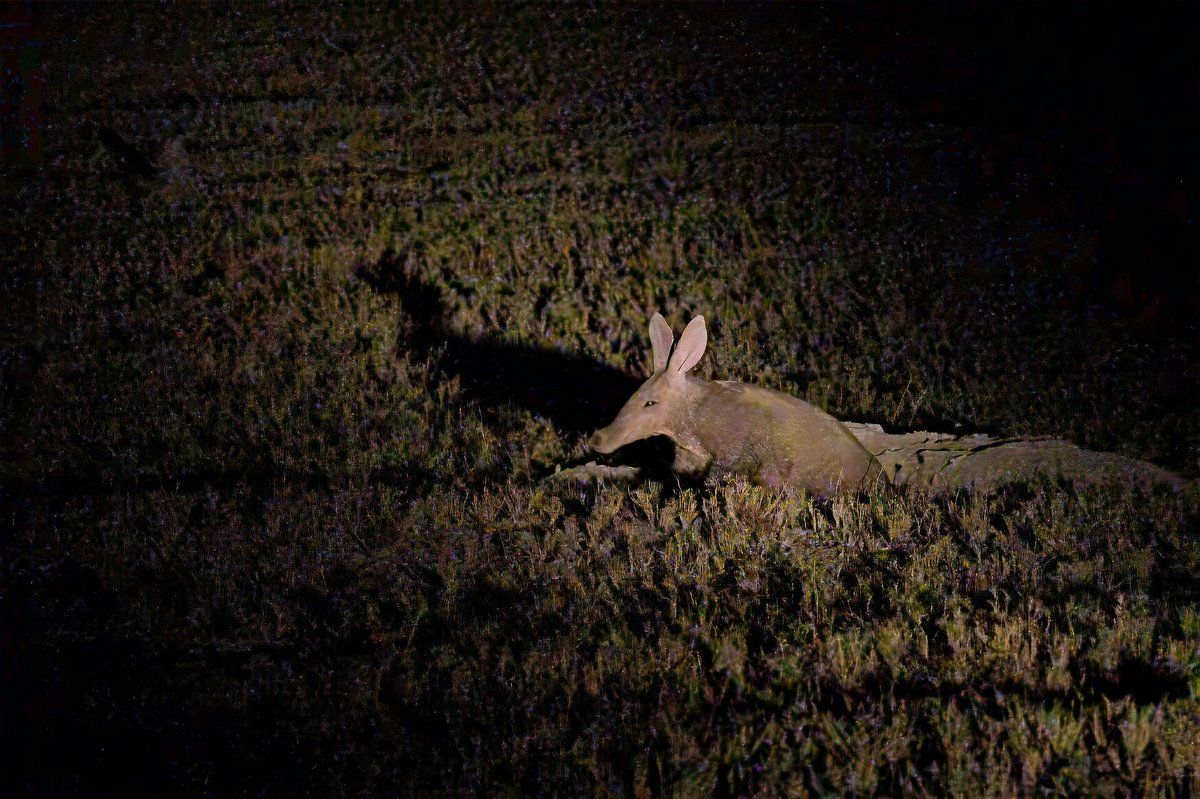
 Aardvark Night Foraging — Kalahari Botswana
Maun, Central District, BW
 Peak season
 Aardvark Night Foraging — Kalahari South Africa
Upington, Northern Cape, South Africa
 Returns Jan 2027
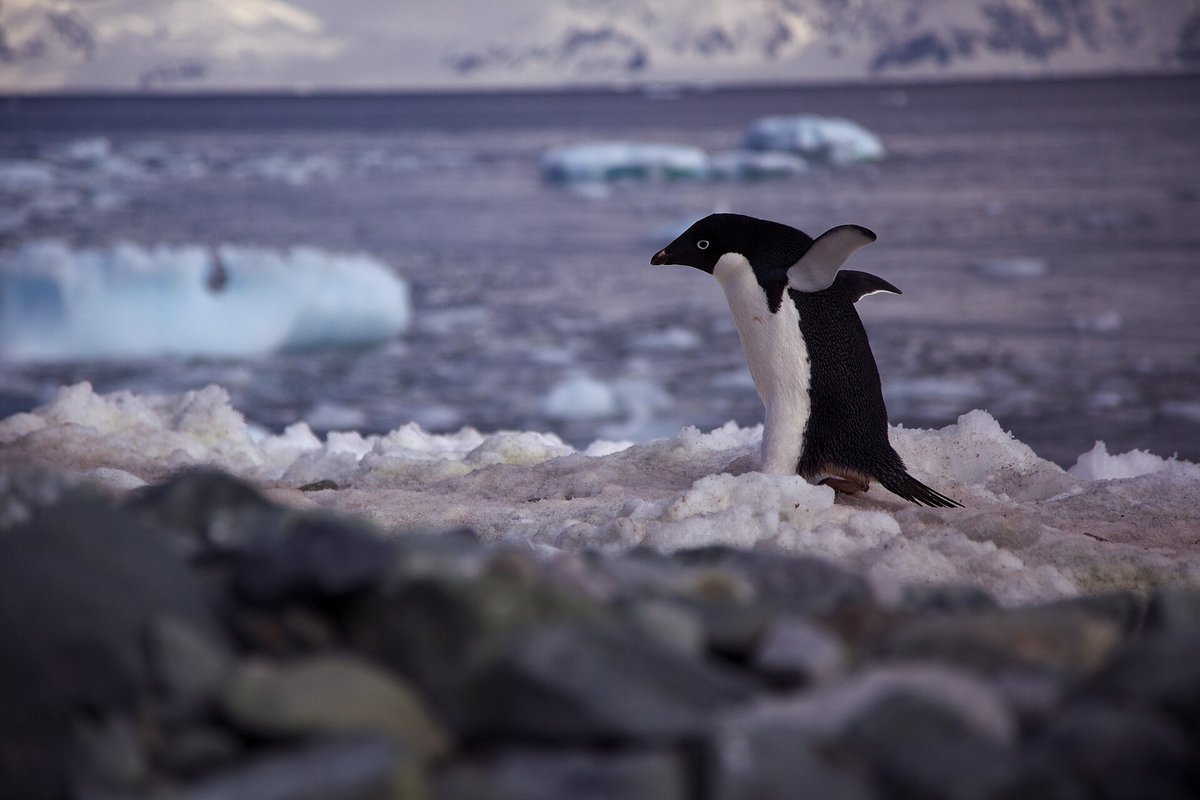
 Adélie Penguin Highway — Ross Sea Antarctica
Cape Royds, Antarctica, AQ