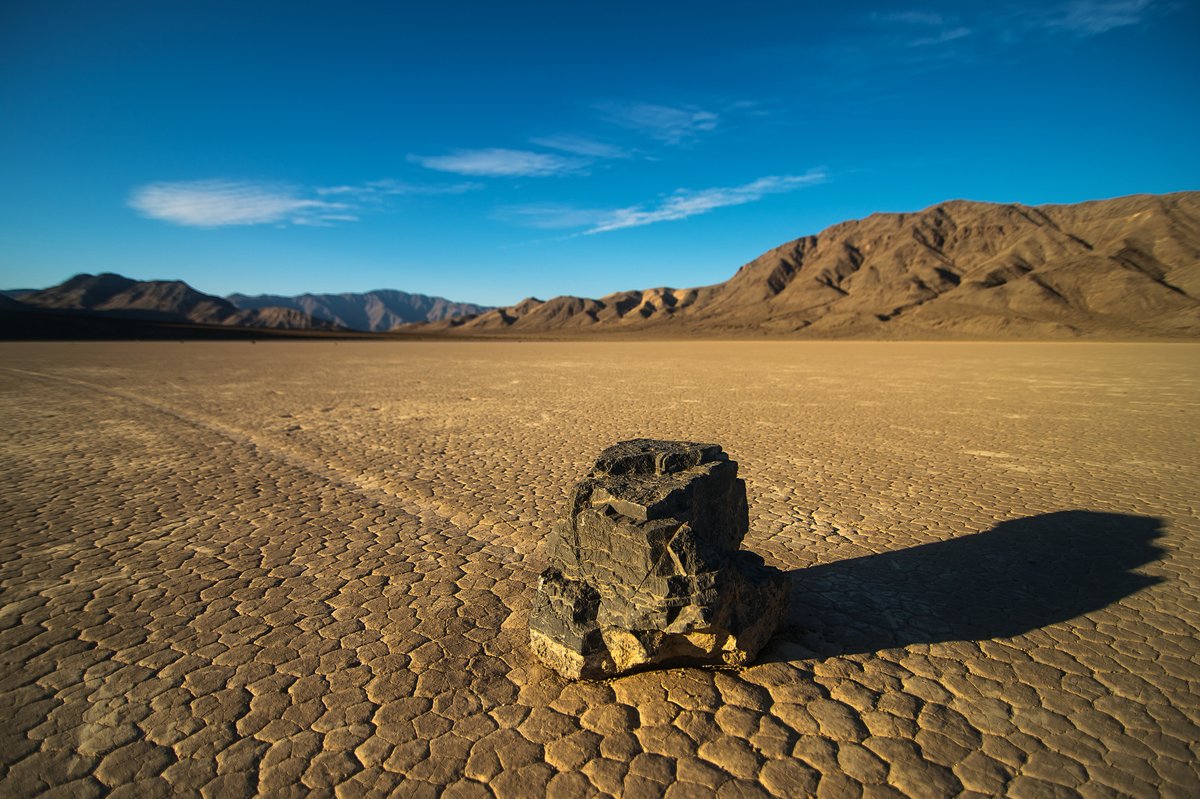
Sailing Stones Death Valley — California USA
The sailing stones of Racetrack Playa in Death Valley National Park — rocks weighing up to 318 kg that move across the dry lake bed leaving trails in the cracked mud, their movement mechanism unexplained until 2014 when GPS-tagged rocks were filmed moving on a thin ice sheet pushed by light winds — create one of geology's most extraordinary surface features. The trails left by individual rocks — straight, curved, even turning back on themselves — cover distances of up to 250 metres and are permanently visible in the dried mud surface of Racetrack Playa year-round. The 45-kilometre graded dirt road from Ubehebe Crater provides 4WD access to the playa, and the experience of standing on the perfectly flat dried mud of one of Earth's most remote valleys, surrounded by mountain walls, and examining the trails of boulders that have moved independently of any human agency creates one of the American desert's most contemplative and scientifically rich landscape encounters.
About this spectacle
Standing on Racetrack Playa is an encounter with geological mystery made visible. The flat, cracked mud surface — perfectly level and silent — stretches to distant mountain walls in every direction, giving visitors a sense of vast, still remoteness. Scattered across this ancient lake bed are rocks ranging from pebbles to boulders of 318 kilograms, each trailing a groove in the hardened mud behind it — straight lines, sweeping curves, even paths that reverse direction. The trails persist year-round in the dried surface, making every visit a chance to read the history of invisible events. The mechanism remained unknown until 2014, when GPS-tagged rocks were caught on film sliding atop a thin, wind-driven ice sheet — a discovery that deepens rather than diminishes the wonder. Morning light rakes low across the playa, throwing the carved furrows into sharp relief and illuminating the stark interplay of rock, cracked mud, and sky. The surrounding mountain walls complete a scene that is simultaneously scientific exhibit, desert sculpture, and one of the American West's most quietly dramatic landscapes.
When to go
Year-round
Getting there
Nearest airport: LAS. Nearest city: Las Vegas.
Booking options
Goyova doesn't process bookings directly. When you tap "Plan this trip" in the app, you'll see options from our partner providers — accommodation, tours, transport — with affiliate links where applicable. See our affiliate disclosure for details.
More like this.
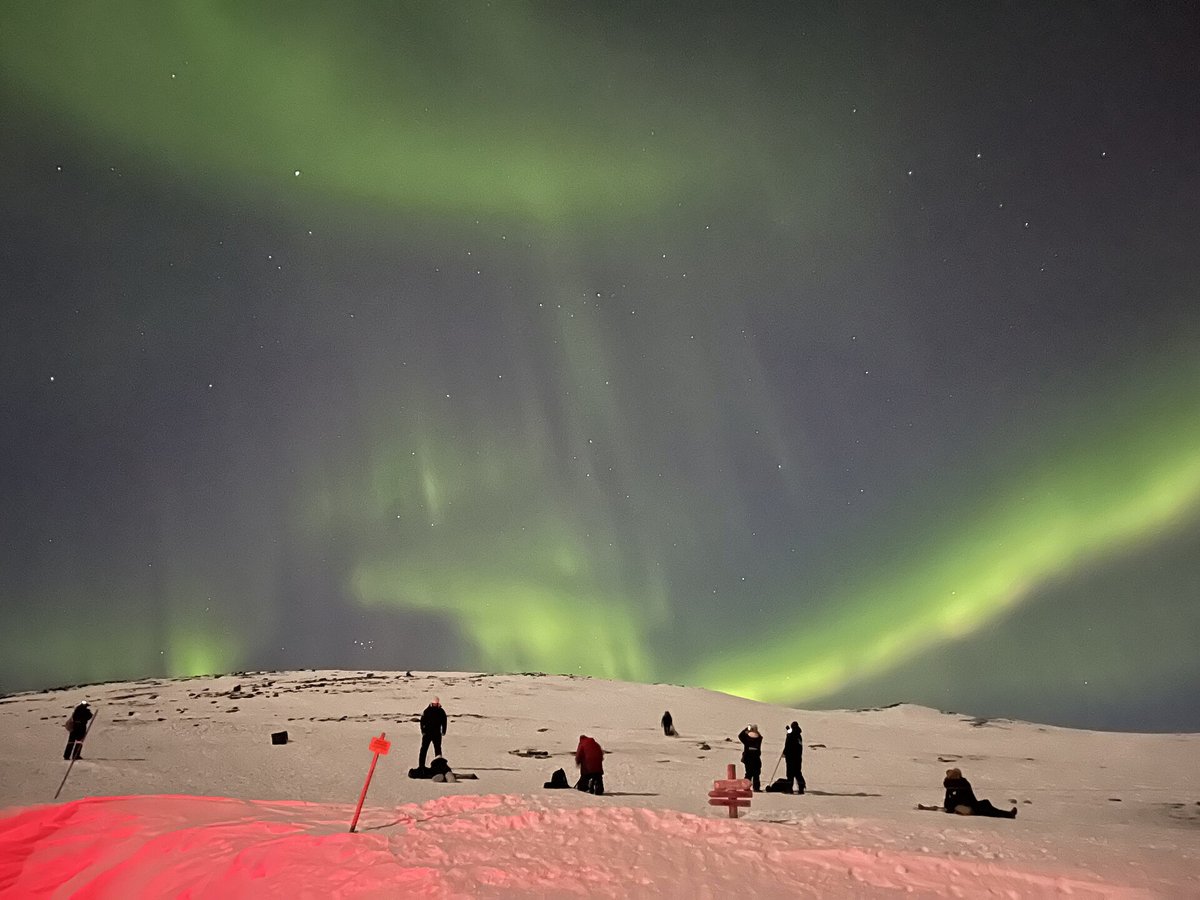 Returns Jan 2027
 Abisko Aurora Sky Station
Sweden
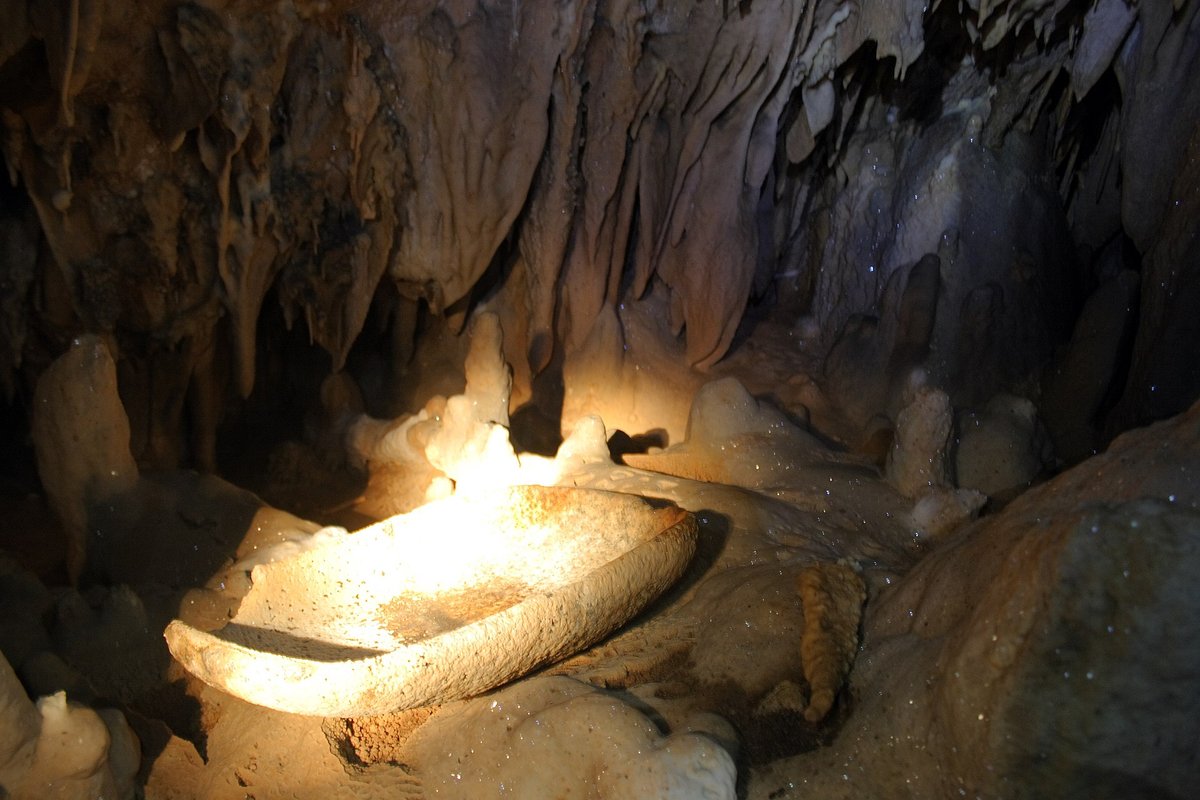 Off-season
 Actun Tunichil Muknal — Cayo Belize
San Ignacio, Cayo District, BZ
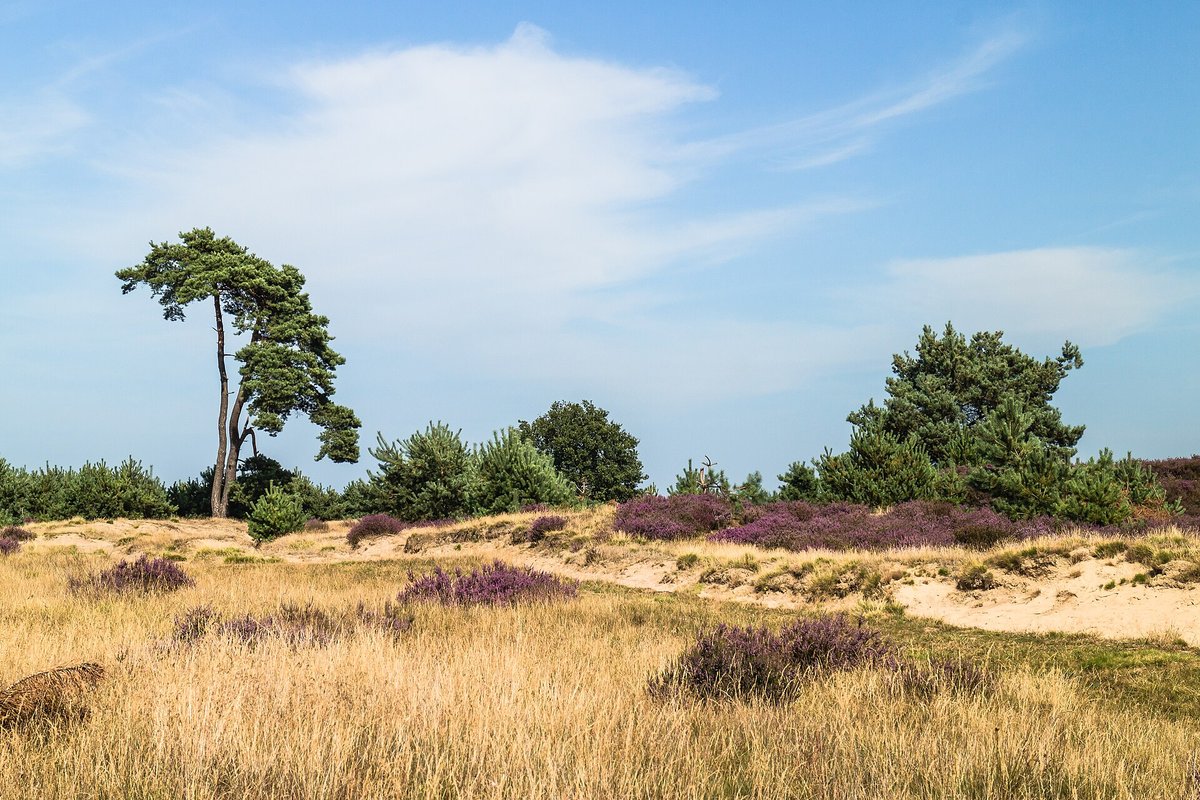 Peak season
 Aekingerzand
NL