
Rock Hyrax Colony Serengeti Kopjes — Tanzania
The granite kopjes (island outcrops) of the Serengeti — Moru Kopjes, Simba Kopjes, Gol Kopjes — support one of Africa's most unusual wildlife communities, built around the rock hyrax (Procavia capensis): a 4-kg herbivore that is taxonomically the elephant's closest living relative despite its rabbit-like appearance. Kopje colonies of 20–50 hyraxes bask on the warm granite in the early morning while simultaneously serving as the hunting platform for resident African rock pythons, ground hornbills, and verreaux's eagles that hunt the hyrax with the same relentless focus that wolves apply to caribou. The kopjes' own geological character — rounded 2.7-billion-year-old basement granite rising from the grassland plains — creates a landscape-within-a-landscape that concentrates species diversity far exceeding the surrounding plain, and a single kopje at dawn contains more observable wildlife interactions than an hour of open-plain driving.
About this spectacle
At first light, the ancient granite domes of the Serengeti's kopjes begin to warm, and with them come the rock hyraxes — small, round, improbably mammalian creatures that pour out of rock crevices to press their bellies against the sun-heated stone. Colonies of 20–50 individuals bask in animated clusters, their alarm calls — a sharp, escalating shriek — cutting across the grassland silence. This is not passive watching: the kopjes are active predator-prey theatres. African rock pythons coil in crevices below. Verreaux's eagles circle overhead, scanning for any hyrax foolish enough to linger in the open. Ground hornbills stalk deliberately at the kopje's base. The granite itself is extraordinary — 2.7-billion-year-old basement rock, smoothed by geological time into rounded domes that rise like islands from the short-grass plain. At a single kopje at dawn you may observe territorial squabbles, predator ambushes, lizard basking, and klipspringer picking their way between boulders — all within binocular range. The morning light on warm orange granite is exceptional for photography.
When to go
Jan — Dec, peak Jun — Oct
Getting there
Nearest airport: JRO. Nearest city: Arusha.
Booking options
Goyova doesn't process bookings directly. When you tap "Plan this trip" in the app, you'll see options from our partner providers — accommodation, tours, transport — with affiliate links where applicable. See our affiliate disclosure for details.
More like this.
 Peak season
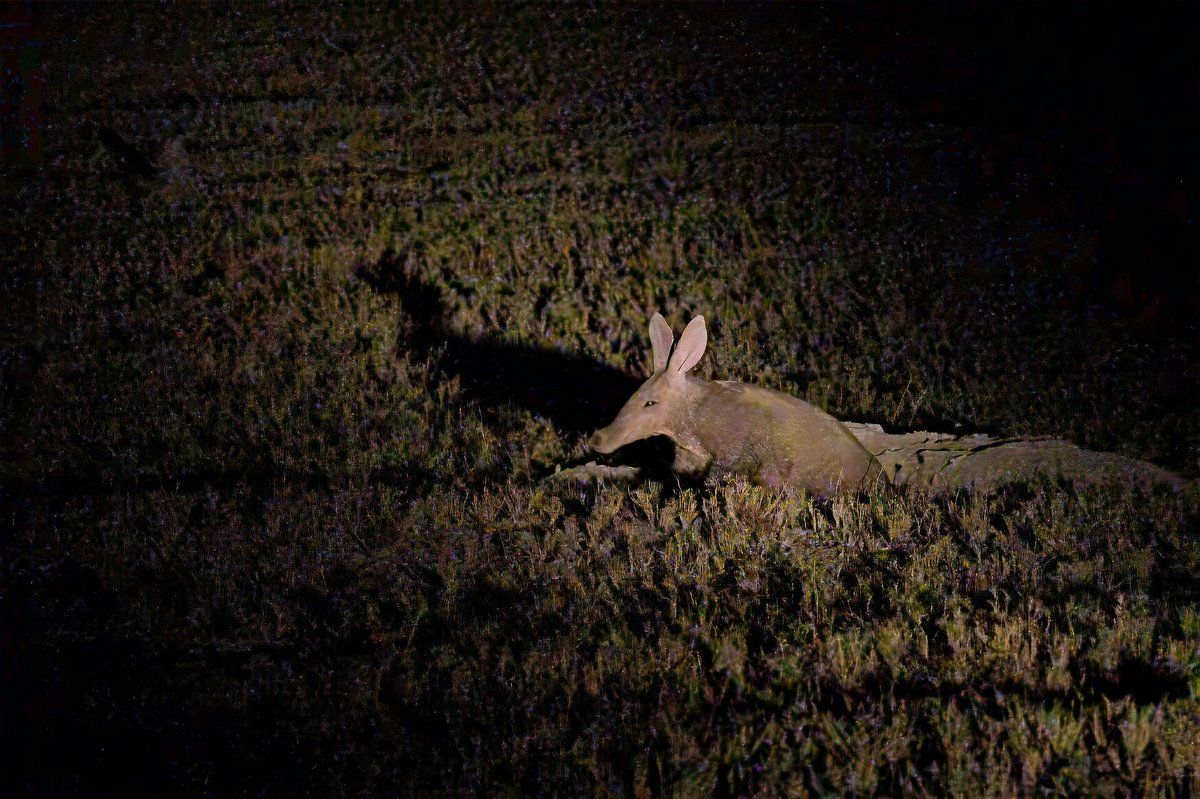
 Aardvark Night Foraging — Kalahari Botswana
Maun, Central District, BW
 Peak season
 Aardvark Night Foraging — Kalahari South Africa
Upington, Northern Cape, South Africa
 Returns Jan 2027
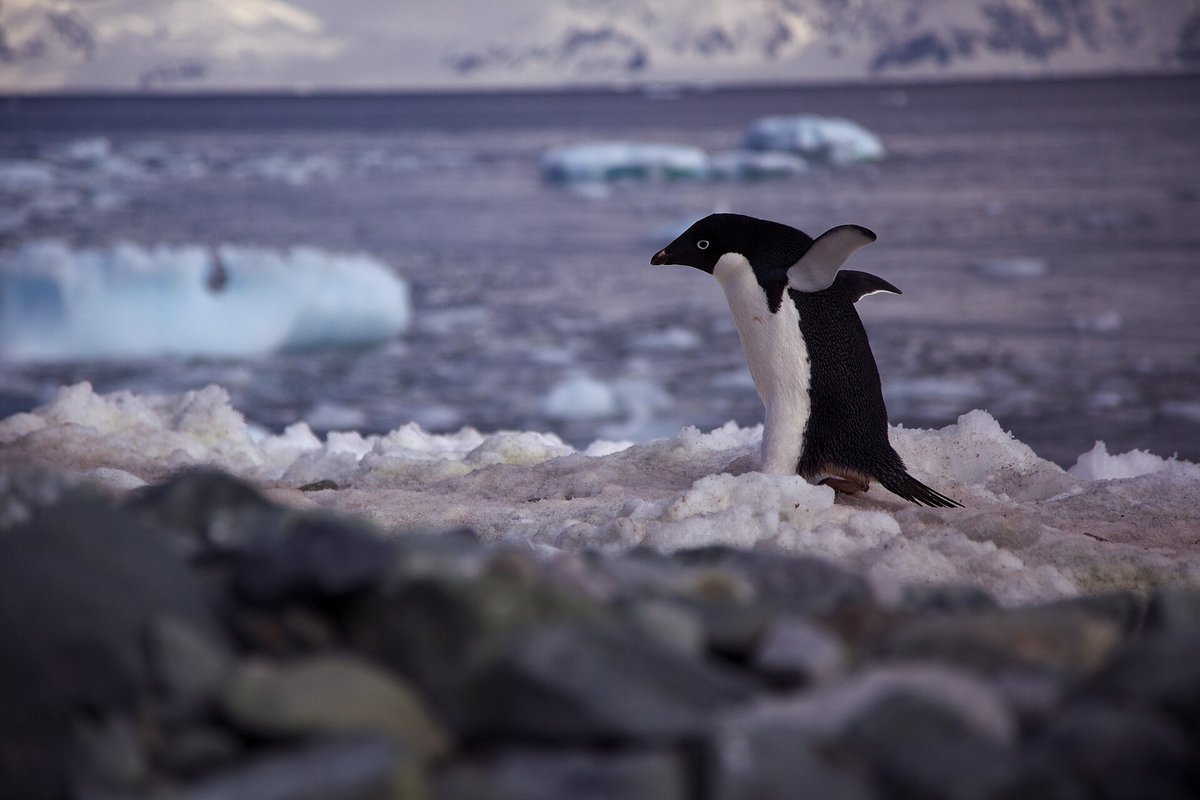
 Adélie Penguin Highway — Ross Sea Antarctica
Cape Royds, Antarctica, AQ