
Resplendent Quetzal — Sierra de los Cuchumatanes
The high cloud forests of Guatemala's Sierra de los Cuchumatanes above Huehuetenango host one of the most reliable resplendent quetzal populations in Central America outside Costa Rica, and the ancient Maya connection to this bird — whose tail feathers were more valuable than gold in pre-Columbian civilisations and whose name provided the currency — adds a dimension of cultural and historical weight to every encounter that transforms a bird sighting into something approaching a sacred experience. The cloud forests above 2,500 metres in the Cuchumatanes hold quetzal populations that have been less studied and less visited than the famous Monteverde and El Triunfo sites, creating a wilderness encounter quality that more accessible locations have largely lost. Male quetzals in breeding season carry tail feathers up to one metre long that stream behind them in flight, and the sight of a male flying between fruiting wild avocado trees — the metre-long tail feathers undulating in the air behind the iridescent green body — against a backdrop of moss-draped cloud forest is one of wildlife's most viscerally beautiful moments. The Cuchumatanes plateau's combination of Mayan indigenous communities maintaining pre-Columbian textile and agricultural traditions, cloud forest wilderness, and the quetzal encounter creates a Guatemala experience of layered natural and cultural richness unmatched in the country.
About this spectacle
At dawn, high in Guatemala's Sierra de los Cuchumatanes above 2,500 metres, the cloud forest drips with moisture and rings with unfamiliar calls. Then a flash of iridescent green cuts between the moss-hung oaks and laurels — a male resplendent quetzal, his metre-long tail feathers undulating behind him like green silk ribbons as he moves between fruiting wild avocado trees. This is one of wildlife's most viscerally beautiful sights: a bird that reads as almost impossibly ornate, the crimson breast blazing against the electric green of wings and back. The Cuchumatanes population is less studied and less visited than Monteverde or El Triunfo, lending encounters a raw wilderness quality — you may wait in cool highland mist for an hour before the bird appears, which makes the moment of sighting all the more arresting. The surrounding landscape of mossy forest, traditional Mayan villages, and terraced fields adds layers of context. Cold mornings, birdcall, and the sudden appearance of one of the world's most sought-after birds make this a deeply memorable experience for any wildlife observer.
When to go
Jan — Dec, peak Mar — Jun
Getting there
Nearest airport: GUA. Nearest city: Huehuetenango.
Booking options
Goyova doesn't process bookings directly. When you tap "Plan this trip" in the app, you'll see options from our partner providers — accommodation, tours, transport — with affiliate links where applicable. See our affiliate disclosure for details.
More like this.
 Peak season
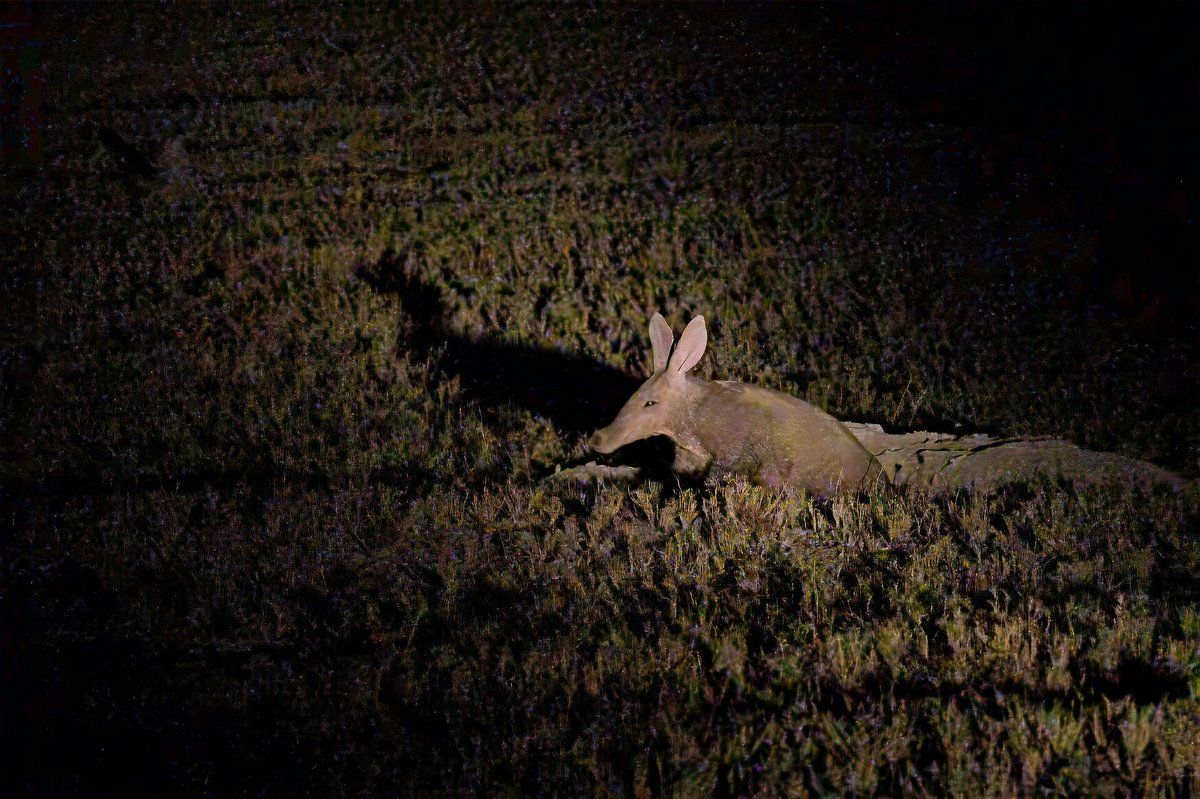
 Aardvark Night Foraging — Kalahari Botswana
Maun, Central District, BW
 Peak season
 Aardvark Night Foraging — Kalahari South Africa
Upington, Northern Cape, South Africa
 Returns Jan 2027
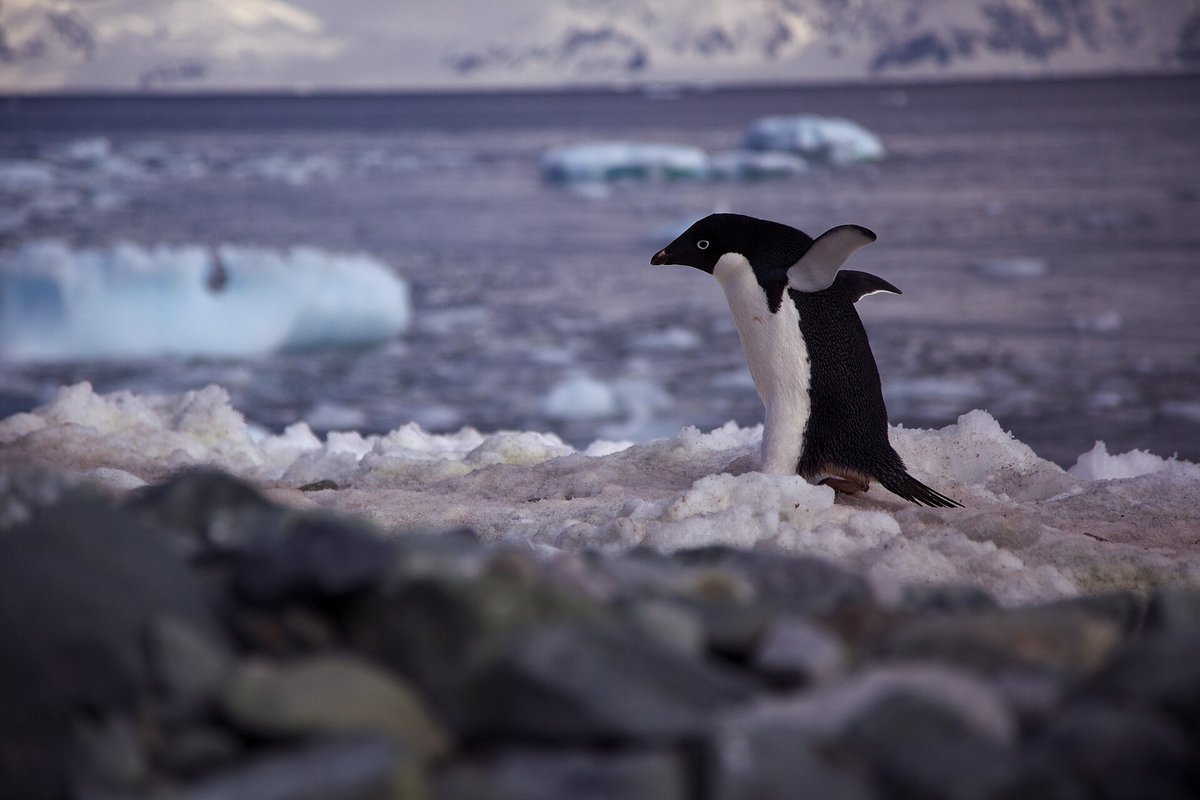
 Adélie Penguin Highway — Ross Sea Antarctica
Cape Royds, Antarctica, AQ