
Porcupine Migration — Rocky Mountain USA
The North American porcupine (Erethizon dorsatum) winter den aggregation in the Rocky Mountain caves and talus slopes from November through February — dozens of porcupines sharing winter den sites (unusual for a solitary species) in the Yellowstone region's basalt talus fields, the animals' quill-rattling defensive display visible and audible at 3-metre range as the fisher (Pekania pennanti) and great horned owl's presence triggers the quill-raising response. The porcupine's combination of its 30,000 quills (modified guard hairs with microscopic backward-pointing barbs that embed in flesh on contact), the completely non-aggressive quill deployment (quills are never 'thrown' — the porcupine's tail-swing against a threat drives the quills in on contact), and the winter aggregation's surprising social nature create one of the Rocky Mountains' most accessible and most specifically misunderstood large mammal encounters. The Yellowstone country's denning porcupines are observable on nearly every winter wildlife drive.
About this spectacle
On winter mornings in Yellowstone's Lamar Valley, the basalt talus slopes reveal one of the region's most surprising wildlife encounters: dozens of North American porcupines clustered in communal den sites, a striking contrast to their normally solitary nature. Visitors scanning rocky outcrops may spot the rounded, spiny silhouettes wedged into crevices or shuffling slowly across snow-dusted boulders. When a fisher or great horned owl draws near, the porcupine's defensive response becomes both visible and audible — quills erect along the back and tail, the distinctive rattle carrying clearly through cold winter air. At close range (around three metres), the mechanical rustle of 30,000 raised quills creates an unexpectedly dramatic sensory moment. These animals move deliberately and without aggression; their defence is reactive, not initiated. A slow wildlife drive through the valley on a clear winter morning offers near-certain sightings, making this one of the most reliably intimate large-mammal encounters in the Rockies — accessible, educational, and entirely underrated.
When to go
Nov — Feb
Getting there
Nearest airport: BZN. Nearest city: Bozeman.
Booking options
Goyova doesn't process bookings directly. When you tap "Plan this trip" in the app, you'll see options from our partner providers — accommodation, tours, transport — with affiliate links where applicable. See our affiliate disclosure for details.
More like this.
 Peak season
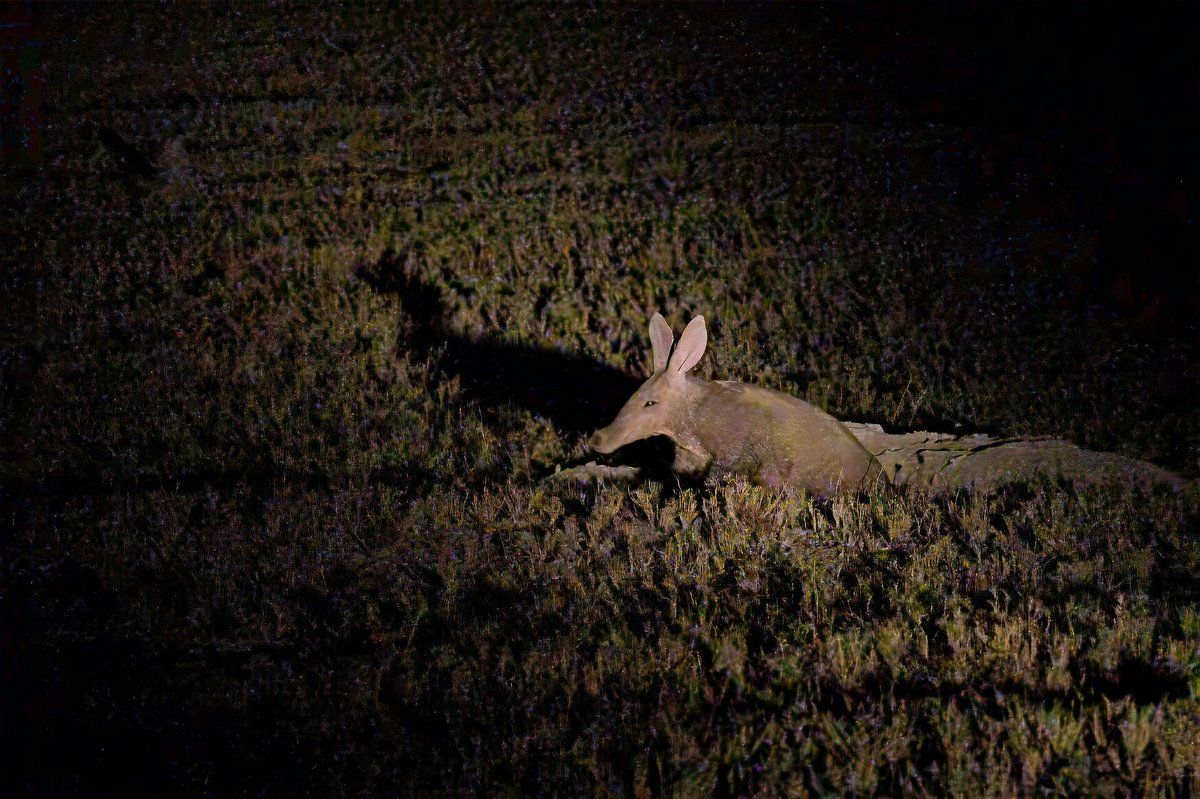
 Aardvark Night Foraging — Kalahari Botswana
Maun, Central District, BW
 Peak season
 Aardvark Night Foraging — Kalahari South Africa
Upington, Northern Cape, South Africa
 Returns Jan 2027
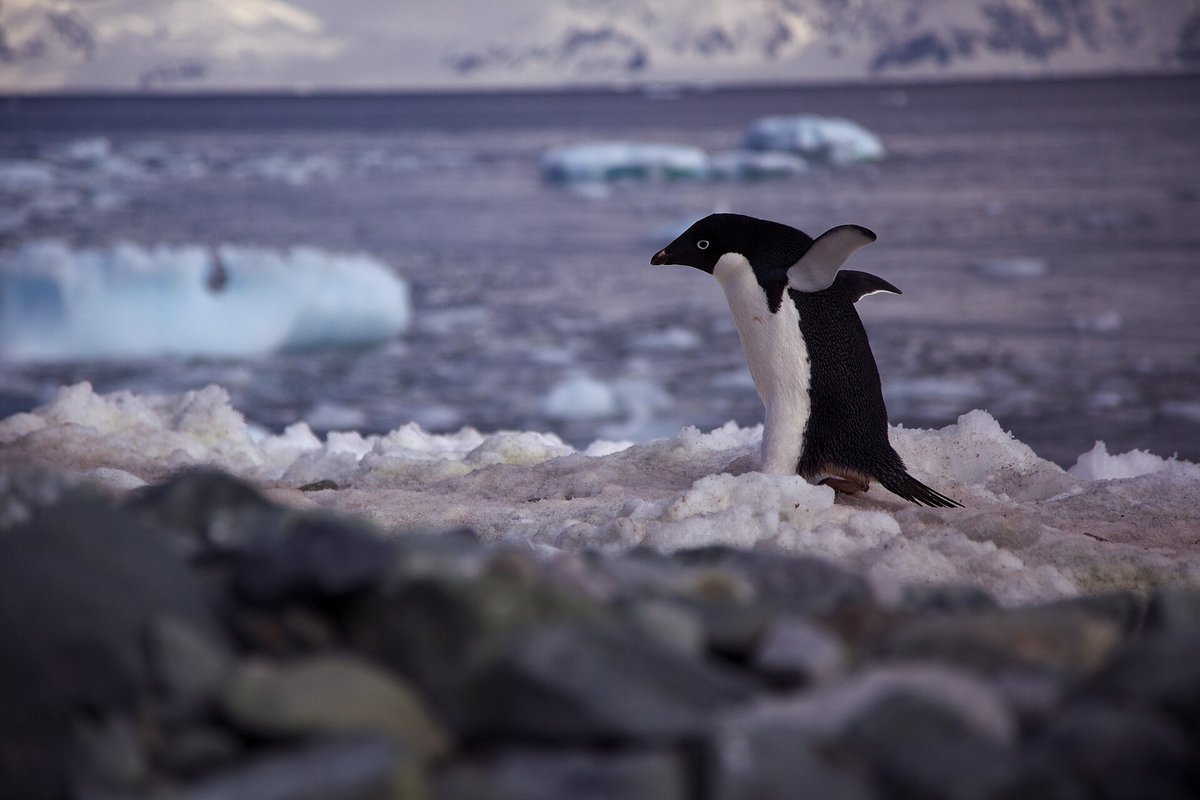
 Adélie Penguin Highway — Ross Sea Antarctica
Cape Royds, Antarctica, AQ