
Pink Dolphin — Amazon River Peru
The Amazon pink river dolphin (Inia geoffrensis) in the Pacaya-Samiria National Reserve of Peru — the world's most protected Amazon ecosystem, accessible only by boat from Nauta and Iquitos — hosts the highest boto density in Peru's Amazon, the animals' deep pink colouration (older animals developing the most vivid pink), and their extraordinary curiosity toward boats creating sustained surface encounters of 20–40 minutes. The boto's combination of its flexible neck (allowing it to turn its head 90°, unlike marine dolphins), its wide-spectrum echolocation capable of detecting fish 25 metres away in the turbid Amazon water, and the flooded forest hunting behaviour (manoeuvring through submerged tree roots using the pectoral fins as walking surfaces) creates a freshwater dolphin encounter of unusual biological depth. The Pacaya-Samiria's extraordinary fish diversity (450 species), the pink dolphins' interaction with the fishing boats' discards, and the Amazonian landscape create South America's finest boto observation context.
About this spectacle
Drift through the flooded forests and blackwater channels of the Pacaya-Samiria National Reserve and encounter one of the Amazon's most beguiling animals: the boto, or pink river dolphin. Older individuals display the deepest, most vivid rose-pink colouration, their hue intensifying with age in ways that surprise even repeat visitors. Unlike the swift arc of a marine dolphin, botos surface slowly, rolling through mirror-still water with their distinctive humped backs and long beaks. Their flexible necks allow them to swivel and seemingly peer at your boat with genuine curiosity — encounters of 20 to 40 minutes are typical, the dolphins circling, surfacing alongside, occasionally close enough to hear their wet exhale. In the wet season the animals move into flooded forest, manoeuvring between submerged tree roots with their paddle-like fins. The ambient soundtrack is layered — macaws, howler monkeys, the knock of a paddle — while the light on the water shifts from amber at dawn to white-gold at mid-morning. With 450 fish species drawing both dolphins and fishermen, interaction scenes around local boats add vivid texture to any sighting.
When to go
Jan — Dec, peak Jun — Sep
Getting there
Nearest airport: IQT. Nearest city: Iquitos.
Booking options
Goyova doesn't process bookings directly. When you tap "Plan this trip" in the app, you'll see options from our partner providers — accommodation, tours, transport — with affiliate links where applicable. See our affiliate disclosure for details.
More like this.
 Peak season
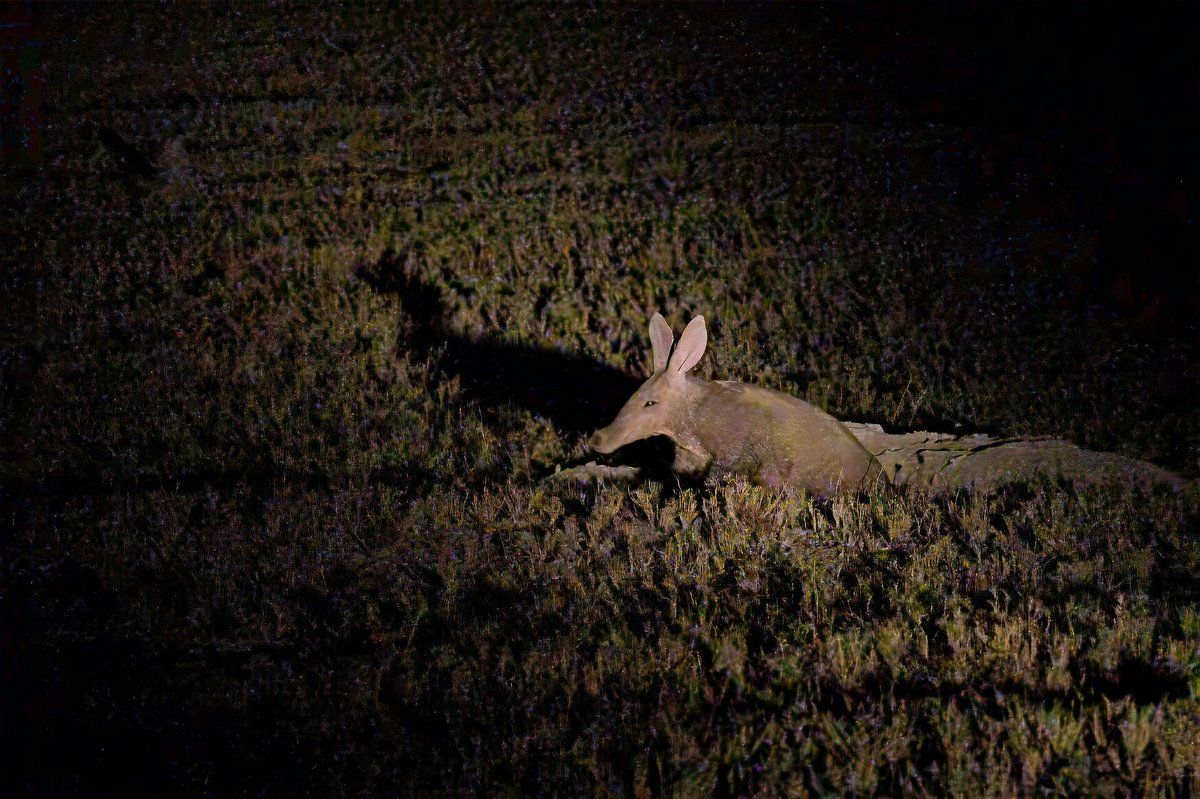
 Aardvark Night Foraging — Kalahari Botswana
Maun, Central District, BW
 Peak season
 Aardvark Night Foraging — Kalahari South Africa
Upington, Northern Cape, South Africa
 Returns Jan 2027
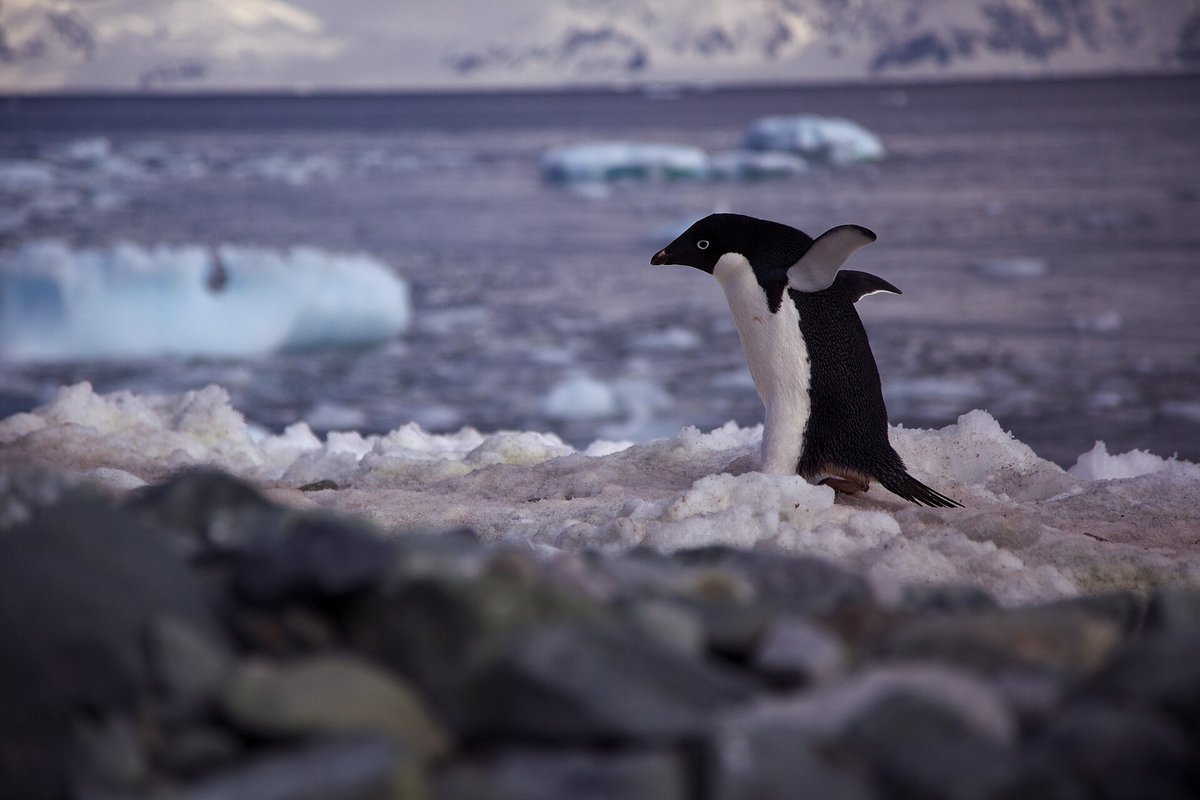
 Adélie Penguin Highway — Ross Sea Antarctica
Cape Royds, Antarctica, AQ