 Peak season
 Palouse Falls Columbia Plateau — Washington USA
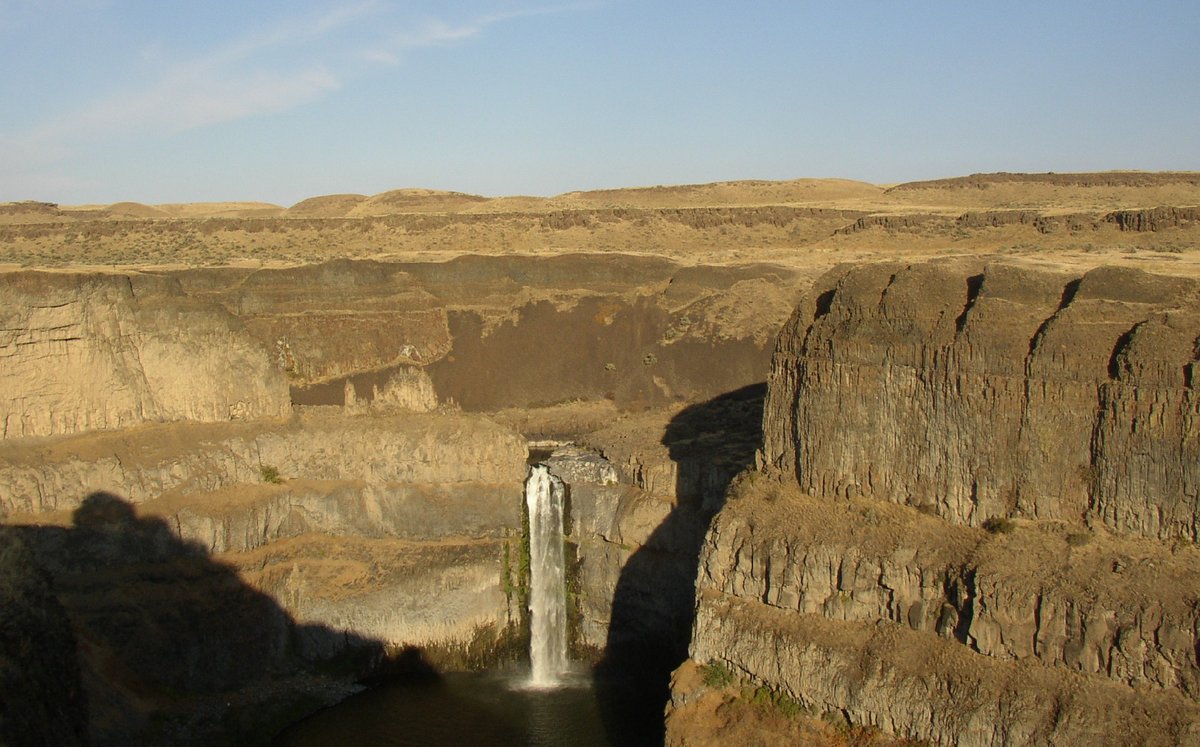
Palouse Falls in southeastern Washington is the most dramatically sited waterfall in the Pacific Northwest — the Palouse River dropping 57 metres into a circular basalt canyon of 300-metre walls carved by the Missoula Floods of 15,000 years ago, the entire landscape a legacy of the most catastrophic floods in geological history. The canyon's geometry — a near-perfect circular bowl in dark basalt with the falls emerging from the canyon wall's curved face — gives the falls a setting of unusual compositional beauty, and spring flow from March through May produces the maximum volume. Washington's state waterfall, Palouse Falls stands in stark, semi-arid coulée country of scabrock basalt, sagebrush, and canyon wren territory, providing one of the Pacific Northwest's most distinctive arid landscape experiences alongside a waterfall of considerable vertical drama.
About this spectacle
Standing at the rim of Palouse Falls, visitors peer down 57 metres to where the Palouse River explodes into a near-perfect circular basalt bowl, its dark canyon walls rising some 300 metres and closing in on all sides like a natural amphitheatre. The falls emerge from a curved face of columnar basalt — columns laid down by ancient lava flows and then catastrophically sculpted by the Missoula Floods roughly 15,000 years ago — giving the setting a geometry unlike any other waterfall in the Pacific Northwest. In spring, from March through May, snowmelt pushes maximum water volume over the lip, filling the canyon with roar and mist. The semi-arid coulée landscape surrounding the park feels remote and elemental: scabrock basalt, silver sagebrush, and the thin, reedy song of canyon wrens echoing off rock faces. Light arrives clean in the morning hours, cutting across the canyon's curved walls and igniting the spray. The contrast between the lush ribbon of falling water and the bone-dry plateau above it is the defining emotional note of this place.
When to go
Jan — Dec, peak Mar — May
Getting there
Nearest airport: PSC. Nearest city: Spokane.
Booking options
Goyova doesn't process bookings directly. When you tap "Plan this trip" in the app, you'll see options from our partner providers — accommodation, tours, transport — with affiliate links where applicable. See our affiliate disclosure for details.
More like this.
 Peak season
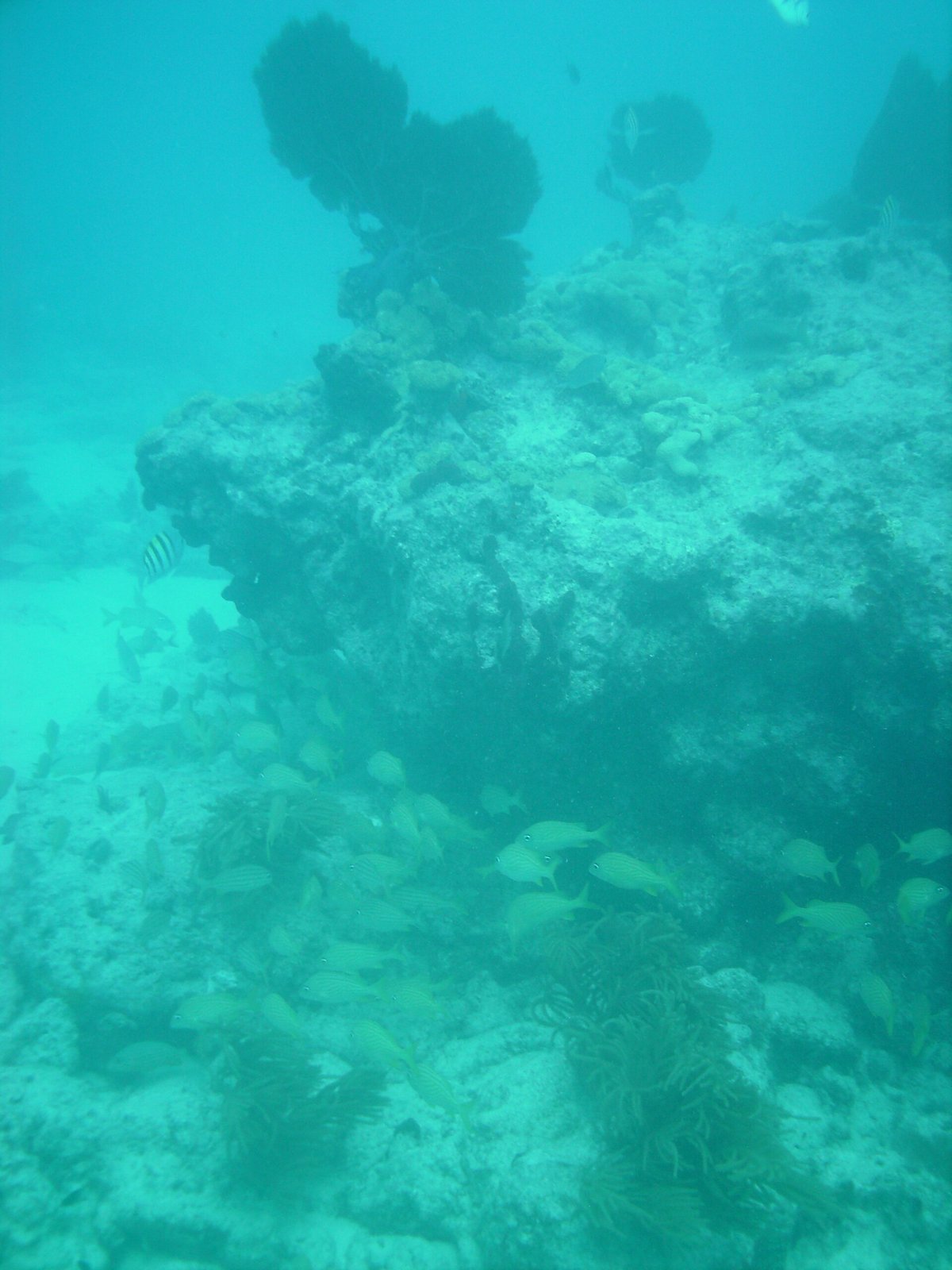
 9-foot Stake Coral Reef — United States
Florida, United States
 Peak season
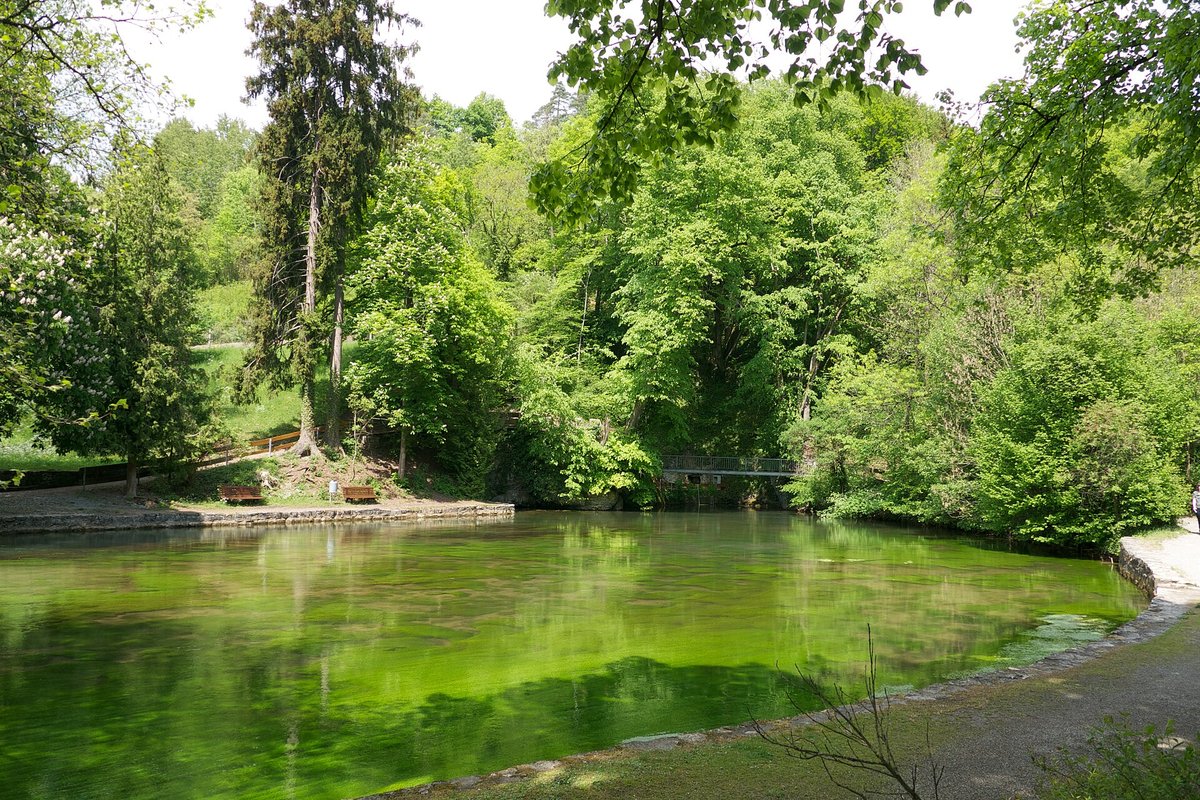
 Aachtopf
BW, Germany
 In season
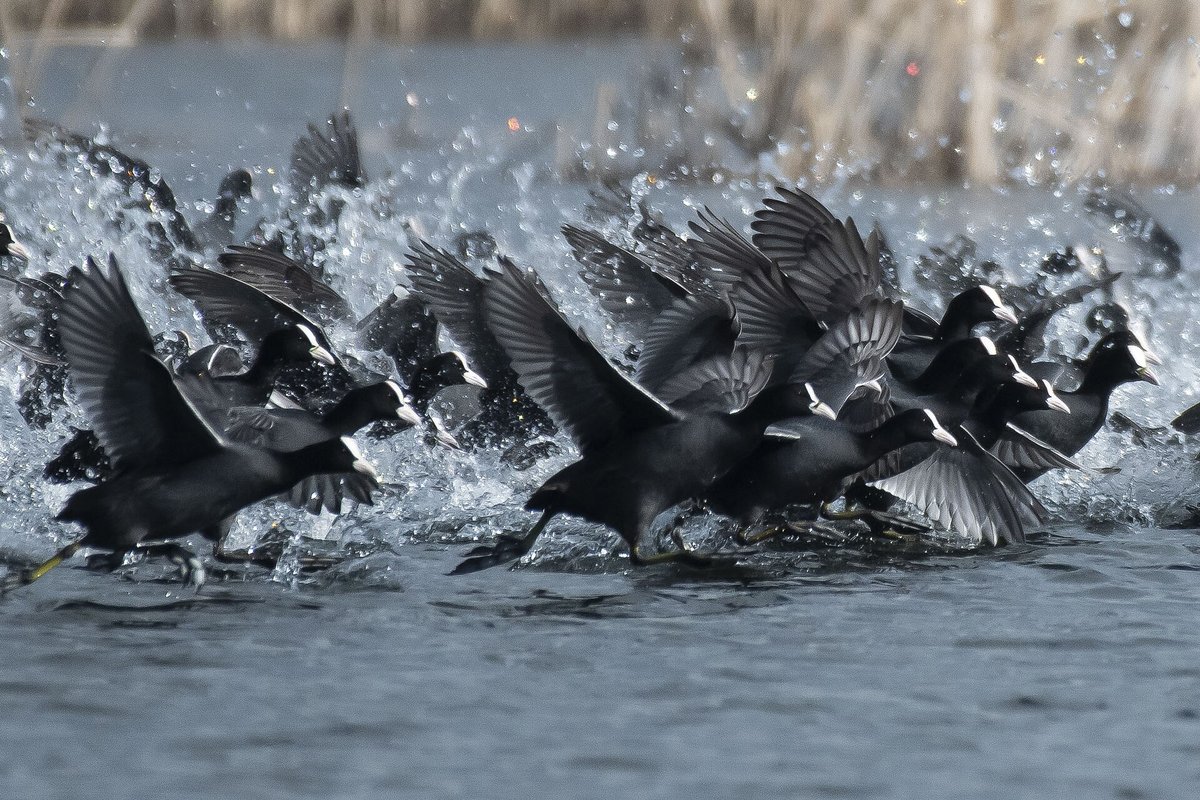
 Aammiq Wetland — Lebanon
Beqaa Governorate, LB