Oystercatcher Roosting Flock — Morecambe Bay England
The Morecambe Bay oystercatcher (Haematopus ostralegus) roost — up to 50,000 birds concentrating on the bay's high-tide roosting sandbanks from September through March, the largest oystercatcher roost in Europe — creates one of Britain's most visually dramatic shorebird spectacles when the high tide compresses the birds from the mudflats into tight pre-roost flocks. At Hest Bank and the RSPB Leighton Moss viewpoints, the incoming tide drives the feeding flocks toward the roost banks, and the concentrated 50,000 birds' black-and-white plumage and orange-red bills create a colour contrast visible from 1 kilometre. The dawn flight from the roost — 50,000 oystercatchers calling simultaneously and lifting in a single mass — is one of northern England's finest wildlife sounds, the piping calls creating a wall of sound audible across the bay. Morecambe Bay's combination of the oystercatcher roost, the pink-footed goose flocks (250,000 passing through in October), and the bay's tidal landscape creates northwest England's finest winter wildlife coast.
About this spectacle
At Morecambe Bay's Hest Bank, the incoming high tide performs a slow, irresistible compression: tens of thousands of oystercatchers feeding across the vast mudflats are gradually squeezed upward and inward until they pack onto the remaining sandbanks in a dense, heaving mass. From a kilometre away the birds are visible as a bold black-and-white mosaic punctuated by vivid orange-red bills, the flock shifting and rippling as individual birds jostle for position. As the roost lifts at dawn, the sound arrives first — a rising wall of piping calls from up to 50,000 birds calling simultaneously — before the mass takes to the air in a single sweeping movement that fills the sky. The spectacle runs from September through March, peaking on large-tidal days when the tide pushes highest. RSPB Leighton Moss offers an additional viewpoint. October brings a bonus: 250,000 pink-footed geese pass through the bay in loose skeins, layering a second winter spectacle over the oystercatcher roost. Cold, bracing bay air, the smell of salt mud, and the constant piping of birds define the experience.
When to go
Sep — Mar
Getting there
Nearest airport: MAN. Nearest city: Lancaster.
Booking options
Goyova doesn't process bookings directly. When you tap "Plan this trip" in the app, you'll see options from our partner providers — accommodation, tours, transport — with affiliate links where applicable. See our affiliate disclosure for details.
More like this.
 Peak season
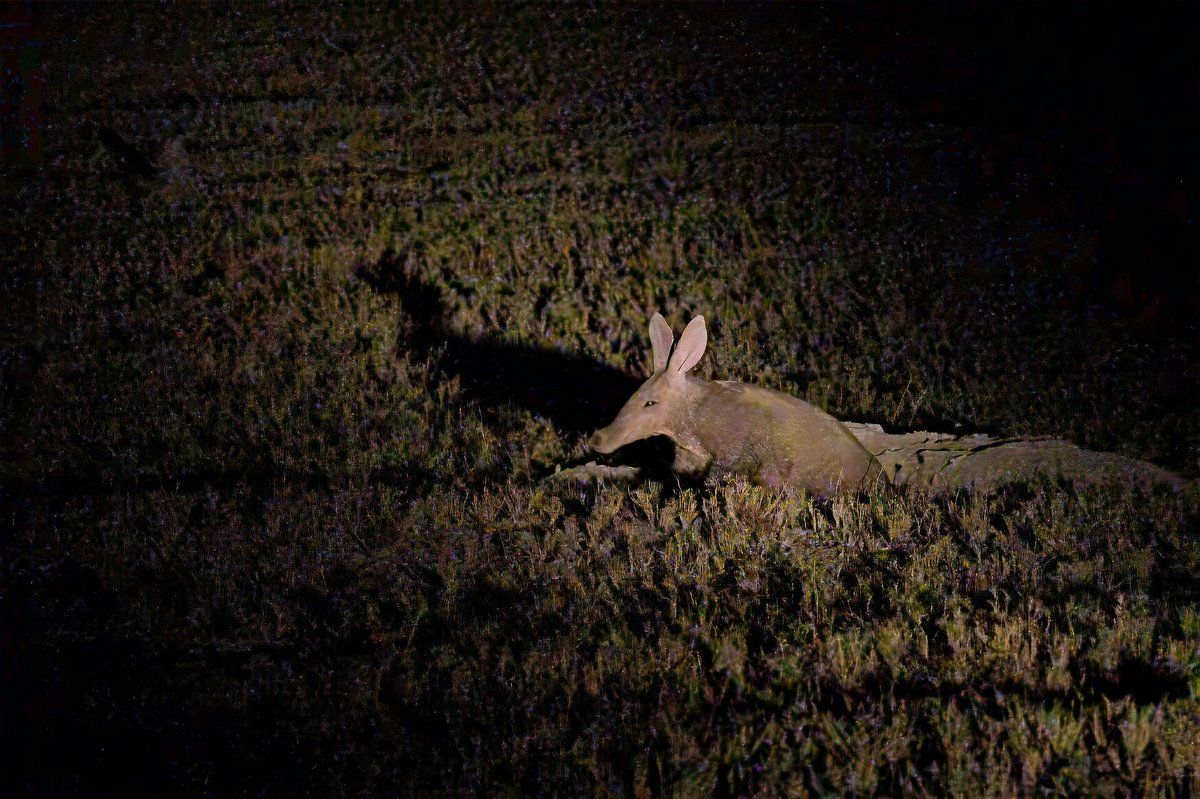
 Aardvark Night Foraging — Kalahari Botswana
Maun, Central District, BW
 Peak season
 Aardvark Night Foraging — Kalahari South Africa
Upington, Northern Cape, South Africa
 Returns Jan 2027
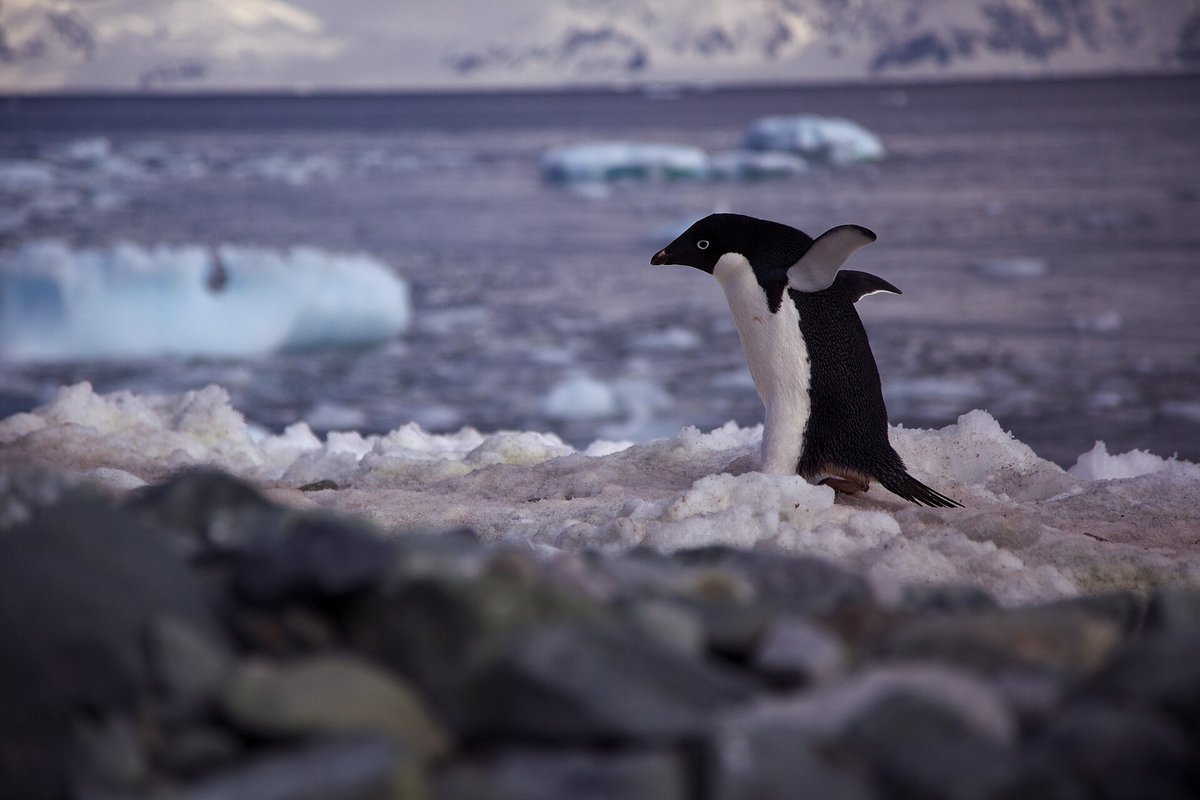
 Adélie Penguin Highway — Ross Sea Antarctica
Cape Royds, Antarctica, AQ