 Returns Jan 2027
 Orca Wave-Washing — Antarctic Peninsula
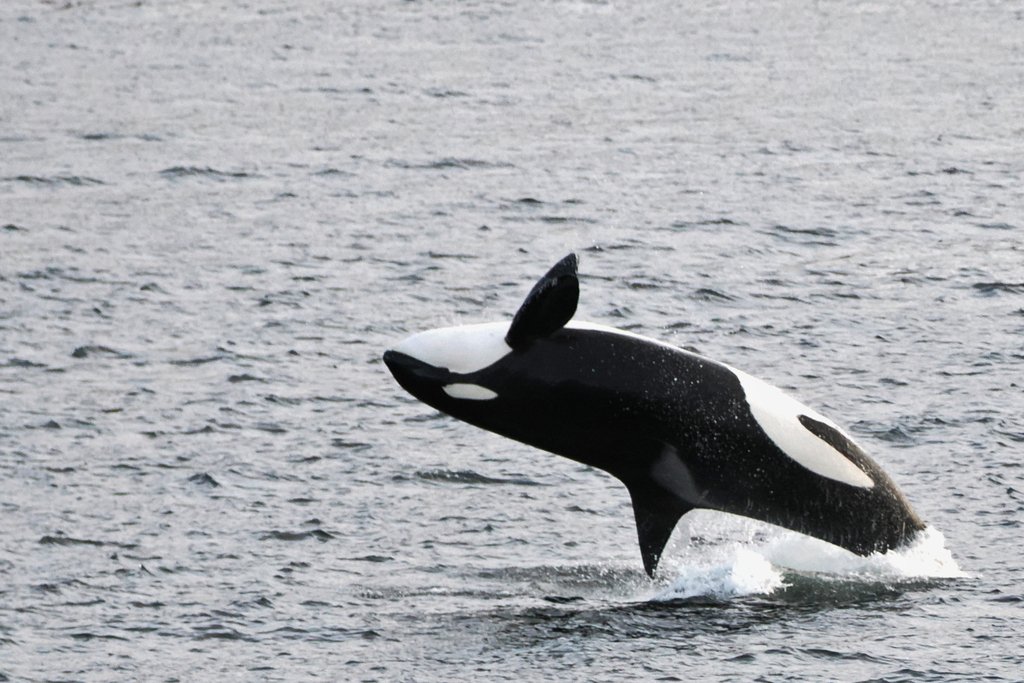
The type B killer whale (Orcinus orca) wave-washing hunting technique at the Antarctic Peninsula — coordinated groups of 4–6 orcas creating waves by swimming in synchrony beside ice floes to wash resting Weddell seals into the water, the technique requiring precise coordination of the wave's timing and direction in one of the animal kingdom's most sophisticated cooperative hunting methods. The technique's complexity (each whale's role specific, the wave height calculated to wash the seal without the floe capsizing and trapping the orcas), the failure rate (70% of wave-wash attempts are unsuccessful, requiring repeated attempts), and the Antarctic Peninsula's extraordinarily accessible expedition itinerary (the orca hunting visible from Zodiac boats within 50 metres) creates a predator behaviour encounter of the highest observed animal intelligence. The type B orca's distinctive grey 'eye patch' and the yellowish-white tinge from diatoms on their skin (acquired in the Antarctic waters) create an identification feature that distinguishes this hunt from all other global orca hunting styles.
About this spectacle
From a Zodiac boat rocking within 50 metres of Antarctic ice floes, witnesses to the type B killer whale wave-wash watch coordinated groups of four to six orcas orient themselves beside a floe, then surge forward in synchrony, generating a deliberate wave that rolls across the ice surface toward a resting Weddell seal. The air fills with the sound of displaced water, the crack and slap of the wave against ice, the exhalations of the whales surfacing in unison. Attempts fail seven times in ten, requiring the orcas to regroup, repositioning with visible patience before launching again. Observers see individual roles unfold — some whales swim in formation, others circle, and the whole coordinated effort plays out at eye level from open inflatable boats. The orcas themselves are visually distinctive: the grey eye patch and yellowish diatom-tinted skin mark these as type B animals, unique to these waters. The Antarctic Peninsula's expedition infrastructure places visitors directly beside this behaviour in real time, making it one of the most intimate megafauna predation events accessible to travellers.
When to go
Nov — Feb
Getting there
Nearest airport: USH. Nearest city: Ushuaia.
Booking options
Goyova doesn't process bookings directly. When you tap "Plan this trip" in the app, you'll see options from our partner providers — accommodation, tours, transport — with affiliate links where applicable. See our affiliate disclosure for details.
More like this.
 Peak season
 Aardvark Night Foraging — Kalahari Botswana
Maun, Central District, BW
 Peak season
 Aardvark Night Foraging — Kalahari South Africa
Upington, Northern Cape, South Africa
 Returns Jan 2027
 Adélie Penguin Highway — Ross Sea Antarctica
Cape Royds, Antarctica, AQ