
Okavango Elephant Crossing — Botswana
Each year during the summer flood season, the Okavango Delta's rising waters force elephant herds of 50 to 200 animals to swim between islands, creating one of Africa's most dramatic wildlife spectacles as entire family groups — from ancient matriarchs to week-old calves — cross deep channels with only their trunks and the tops of their heads visible above the water surface, the calves sometimes lifted bodily by their mothers in the swift current. The Okavango's mokoro boat system allows silent approach within metres of swimming elephants — the animals unhurried and unthreatened by the traditional dugout canoes — creating an intimacy of encounter with the world's largest land animal that is impossible in any land-based game vehicle. The delta's extraordinary visual quality — clear water channels, papyrus-fringed islands, and the deep sky of the Kalahari reflected in still backwaters — frames the elephant crossings in a landscape of serene African beauty entirely unlike the dusty savannah encounters of other parks. The Okavango floods peak between June and August when the rains that fell in Angola months earlier finally reach Botswana, and the height of the flood coincides with winter's cold clear weather to create the most comfortable and wildlife-rich conditions. Hippo, sitatunga antelope, and African fish eagles complete a water-focused wildlife experience of extraordinary richness.
About this spectacle
Standing in a traditional mokoro dugout canoe, you drift silently through papyrus-lined channels as a herd of 50 to 200 elephants enters the water ahead. Ancient matriarchs lead, their trunks raised like snorkels; calves are sometimes hoisted bodily by their mothers through the current. Only the domed tops of heads and curved trunks break the mirror-flat surface. The cold, clear winter air of June through August amplifies every sound — the rush of displaced water, the deep rumbles of reassurance between family members, the bark of an African fish eagle overhead. The Kalahari sky reflects in the still backwaters around the crossing, and papyrus islands glow amber in the dawn light. The elephants remain unhurried by the low-profile canoes, allowing an intimacy impossible from a game vehicle. Hippos surface nearby, sitatunga antelope pick through reed edges, and the entire scene unfolds in a landscape of deep, unhurried African stillness.
When to go
May — Sep, peak Jun — Aug
Getting there
Nearest airport: MUB. Nearest city: Maun.
Booking options
Goyova doesn't process bookings directly. When you tap "Plan this trip" in the app, you'll see options from our partner providers — accommodation, tours, transport — with affiliate links where applicable. See our affiliate disclosure for details.
More like this.
 Peak season
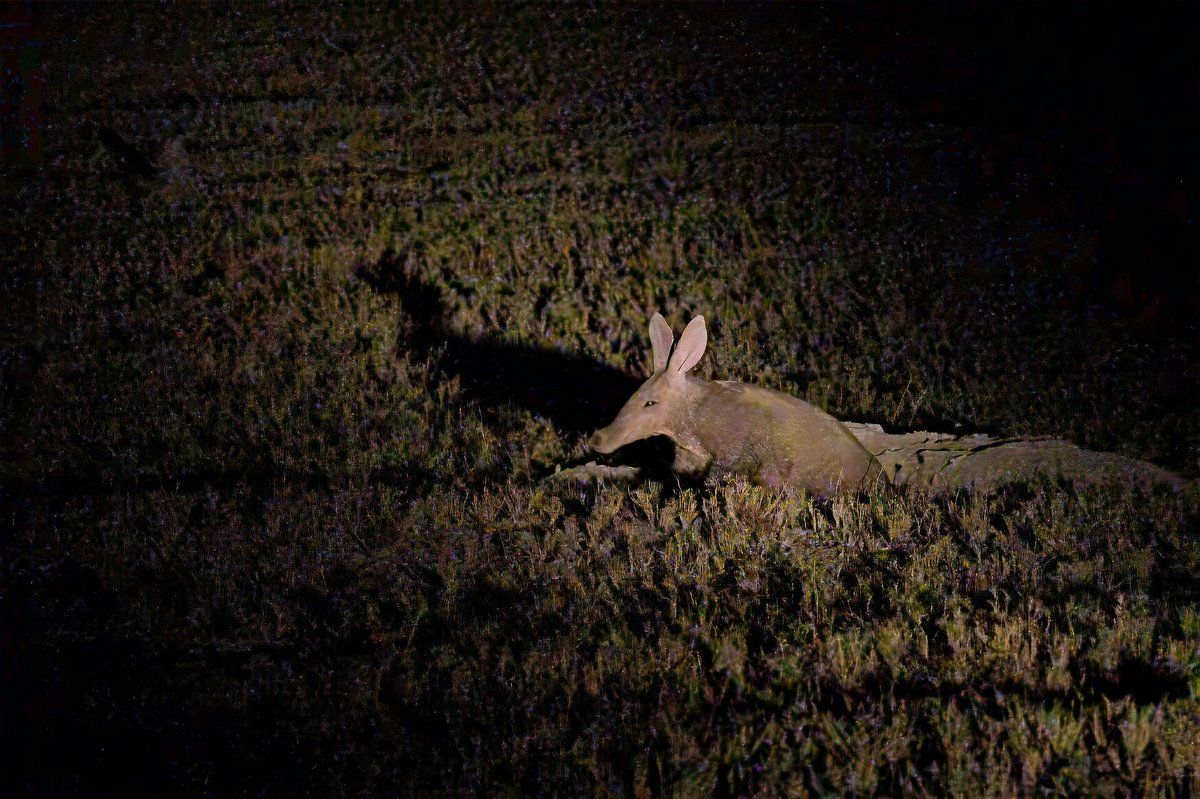
 Aardvark Night Foraging — Kalahari Botswana
Maun, Central District, BW
 Peak season
 Aardvark Night Foraging — Kalahari South Africa
Upington, Northern Cape, South Africa
 Returns Jan 2027
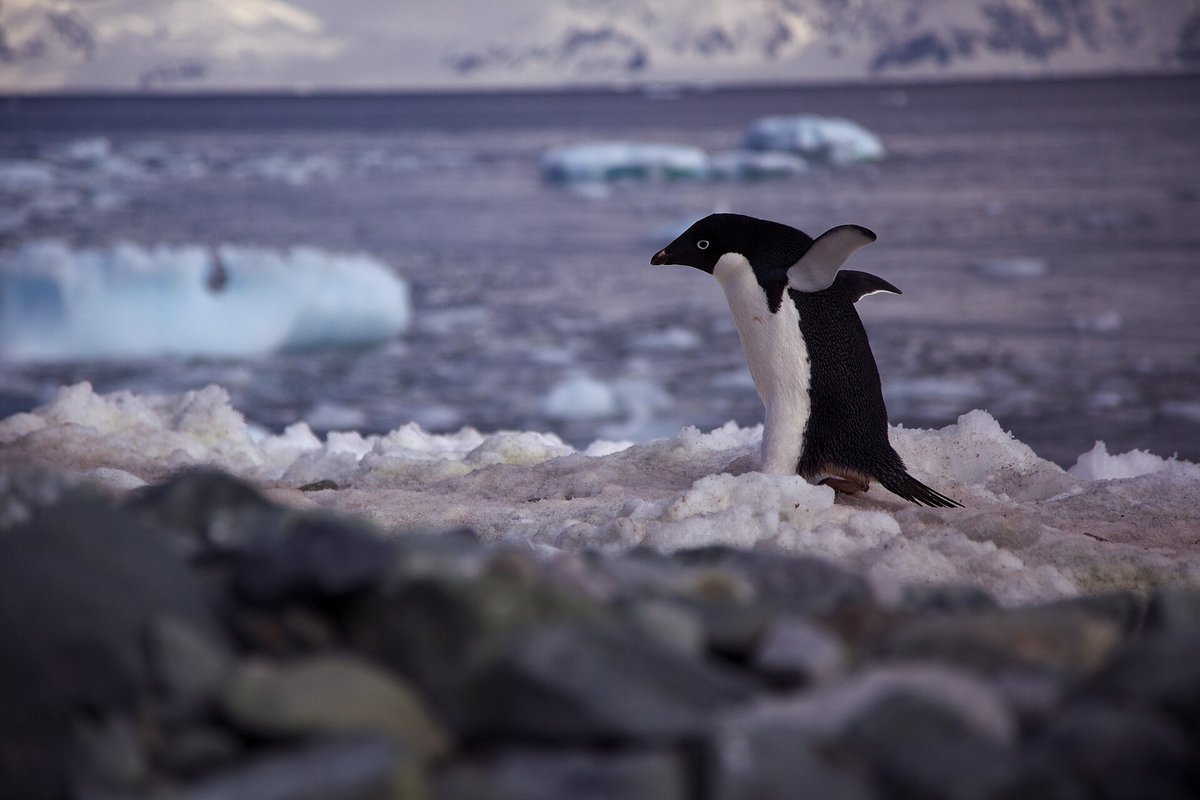
 Adélie Penguin Highway — Ross Sea Antarctica
Cape Royds, Antarctica, AQ