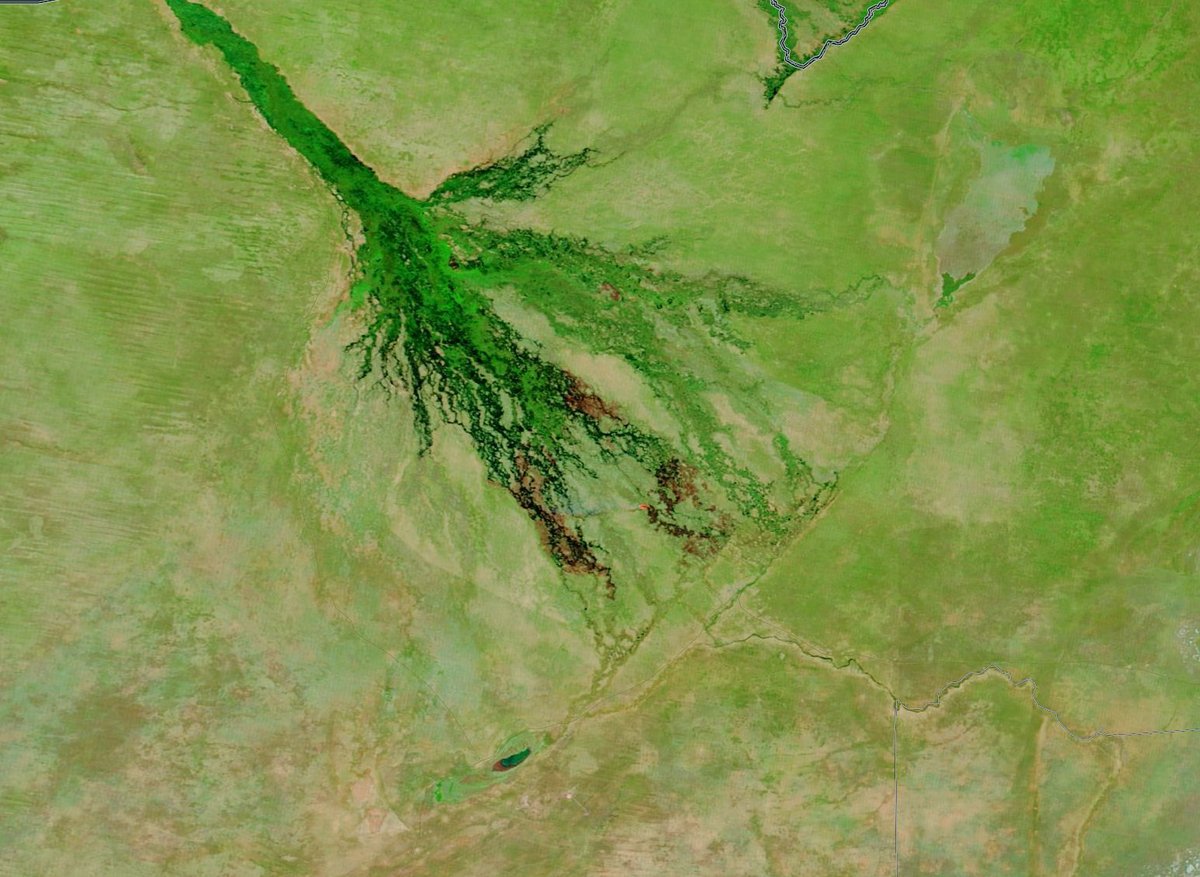
Okavango Annual Flood Arrival — Botswana
The Okavango Delta's annual flood is one of Africa's most counterintuitive phenomena — Angolan rains from January to March travel 1,400 kilometres to arrive as a slow-motion flood front in the Kalahari Desert in May and June, transforming a dry landscape into the world's largest inland delta just as the rest of southern Africa dries out. The arrival of the water is perceptible as a gentle inundation of floodplains and papyrus channels, driving wildlife onto higher ground and concentrating species in extraordinary density on islands surrounded by clear water. Mokoro canoe expeditions through the flooded channels at peak in June and July offer one of Africa's most serene wildlife experiences — gliding silently through lily-covered water with elephants, hippos, and sitatunga visible metres away. The delta's UNESCO World Heritage status reflects both its biodiversity and the rarity of this desert flood system.
About this spectacle
Each year, rains falling in the Angolan highlands travel 1,400 kilometres southward, arriving as a slow, silent flood front into the Kalahari Desert between May and July. Visitors witness something rare: a landscape visibly transforming day by day as water fingers into dry channels, papyrus swamps re-awaken, and floodplains shimmer into existence. Wildlife concentrates on elevated islands surrounded by clear, lily-studded water — elephants wade between land masses, hippos resurface in newly-filled lagoons, and the elusive sitatunga picks its way through inundated reed beds. The signature experience is a mokoro canoe gliding silently through flooded channels at eye-level with waterbirds, dragonflies, and the occasional submerged log that turns out to be a crocodile. Sounds are dominated by frogs, fish eagles, and the soft drip of water from paddle blades. The light in June and July, cool and clear at the tail of Botswana's dry season, produces exceptional photography conditions. This is one of Africa's most serene wildlife immersions — intimate, slow-paced, and governed by water rather than roads.
When to go
May — Nov, peak Jun — Jul
Getting there
Nearest airport: MUB. Nearest city: Maun.
Booking options
Goyova doesn't process bookings directly. When you tap "Plan this trip" in the app, you'll see options from our partner providers — accommodation, tours, transport — with affiliate links where applicable. See our affiliate disclosure for details.
More like this.
 Peak season
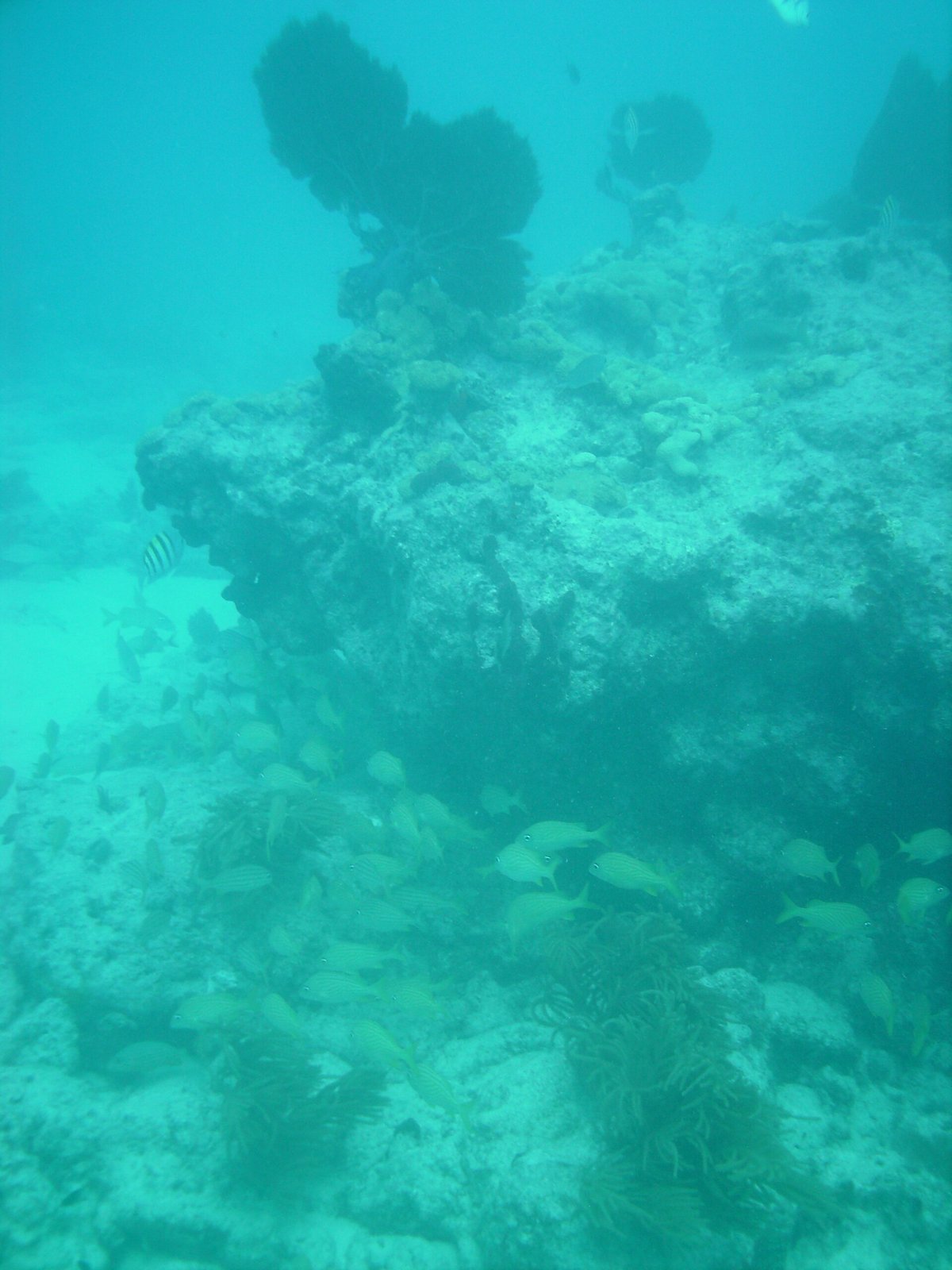
 9-foot Stake Coral Reef — United States
Florida, United States
 Peak season
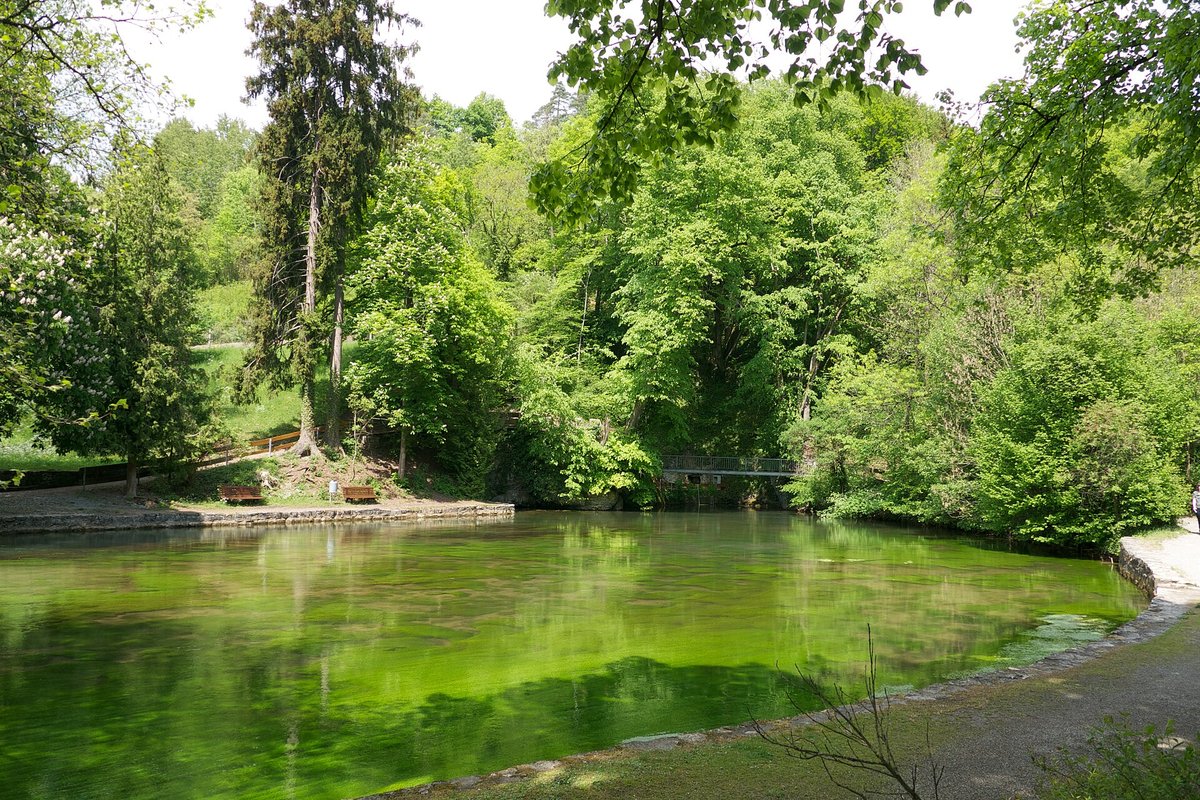
 Aachtopf
BW, Germany
 In season
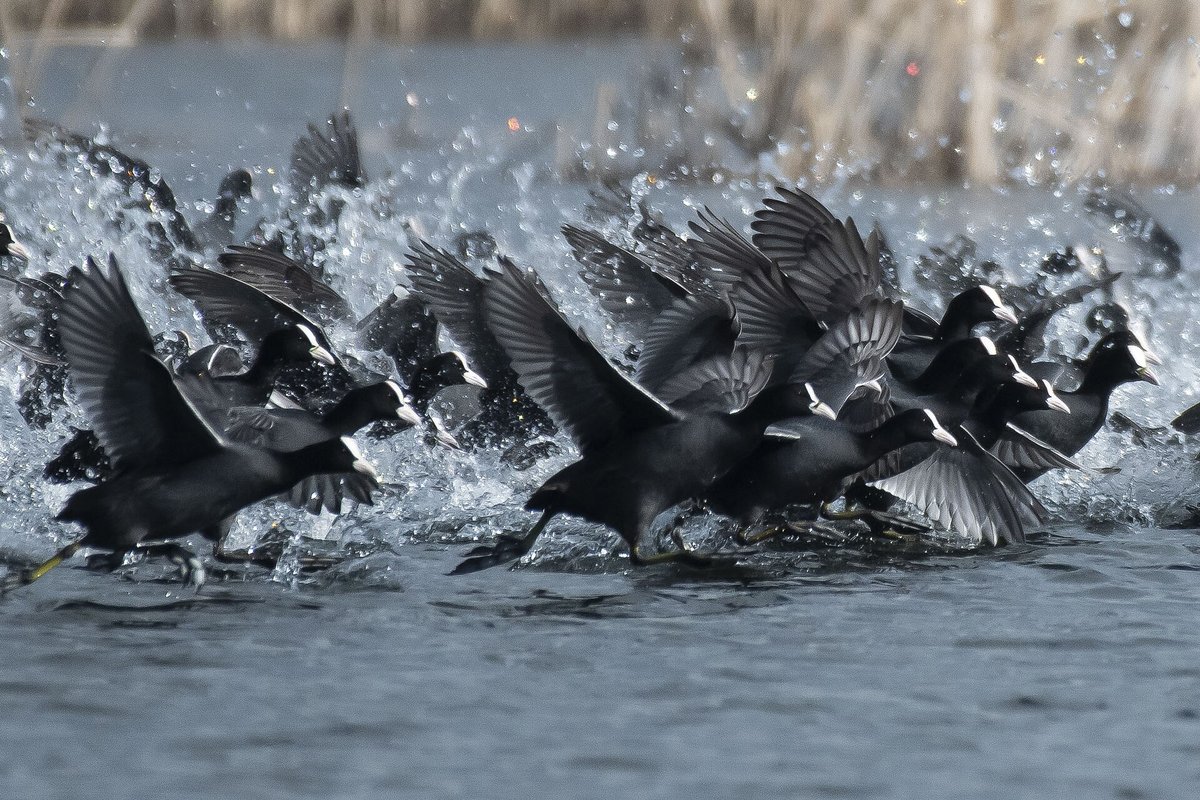
 Aammiq Wetland — Lebanon
Beqaa Governorate, LB