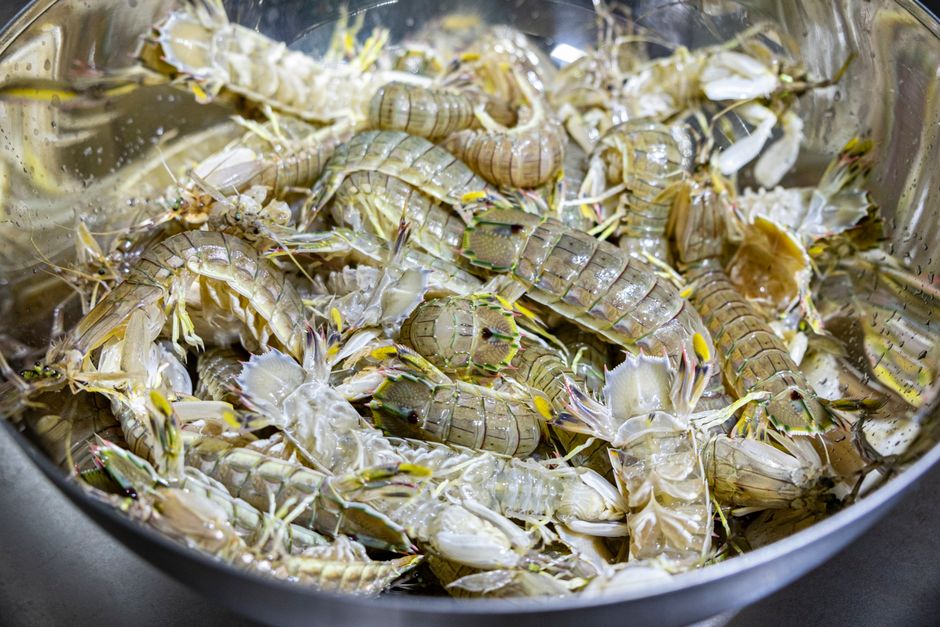
Mantis Shrimp Mating — Coral Sea Australia
The peacock mantis shrimp (Odontodactylus scyllarus) mating encounters on the shallow reef rubble of the Coral Sea and the northern Great Barrier Reef — the most visually striking of all crustaceans (vivid red, orange, blue, and green body colouring) and the owner of the most complex eyes in the animal kingdom (16 types of colour photoreceptors versus humans' 3, able to detect polarised light, UV, and infrared simultaneously) — performs territorial and courtship interactions visible at close range in 1–5 metre water. The mantis shrimp's strike (the raptorial appendage accelerating at 10,000g to velocities of 23 m/s, creating a cavitation bubble that generates a secondary shock wave capable of breaking aquarium glass) and the mating behaviour (the male's elaborate fluorescent colouration display and the female's inspection of the male's body patterns) create a crustacean encounter of the highest visual complexity. The Coral Sea's water clarity (50+ metre visibility at Osprey Reef and Bougainville Reef) and the mantis shrimp's reef rubble habitat accessibility create Australia's finest accessible mantis shrimp encounter.
About this spectacle
In the shallow reef rubble of the Coral Sea and northern Great Barrier Reef, the peacock mantis shrimp (Odontodactylus scyllarus) stages one of the ocean's most visually astonishing encounters. At depths of just 1–5 metres, divers and snorkellers can watch males flash their vivid red, orange, blue, and green fluorescent colouration in elaborate courtship displays while females scrutinise body patterns with eyes capable of detecting polarised light, UV, and infrared simultaneously. Territorial interactions may culminate in the legendary raptorial strike — an appendage that accelerates at 10,000g, generating cavitation bubbles audible as sharp cracks. At sites like Osprey Reef and Bougainville Reef, where visibility regularly exceeds 50 metres and water clarity is exceptional, these small crustaceans are accessible in the rubble margins of the reef at close range. Morning light enhances the detection of their iridescent colouration. The combination of shallow depth, crystal-clear water, and behaviourally active animals makes this a rare macro spectacle of extraordinary biological complexity.
When to go
Jan — Dec, peak Oct — Mar
Getting there
Nearest airport: CNS. Nearest city: Cairns.
Booking options
Goyova doesn't process bookings directly. When you tap "Plan this trip" in the app, you'll see options from our partner providers — accommodation, tours, transport — with affiliate links where applicable. See our affiliate disclosure for details.
More like this.
 Peak season
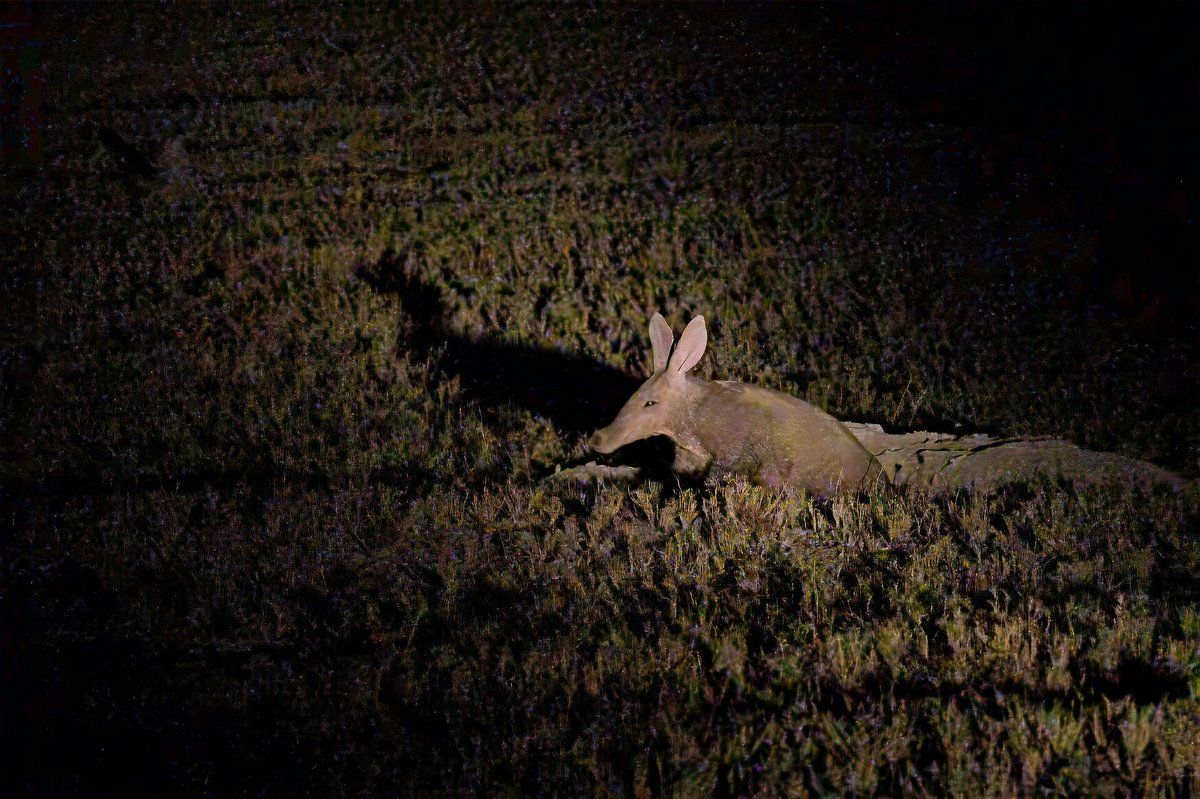
 Aardvark Night Foraging — Kalahari Botswana
Maun, Central District, BW
 Peak season
 Aardvark Night Foraging — Kalahari South Africa
Upington, Northern Cape, South Africa
 Returns Jan 2027
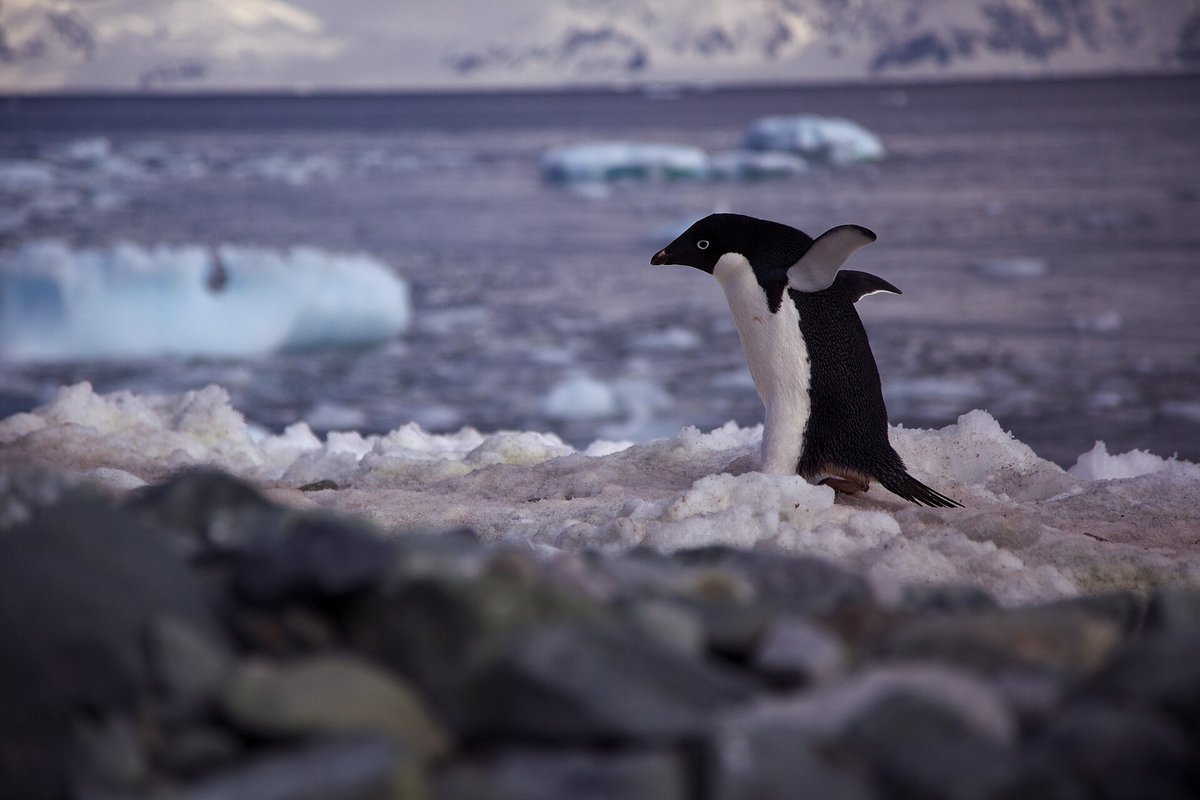
 Adélie Penguin Highway — Ross Sea Antarctica
Cape Royds, Antarctica, AQ