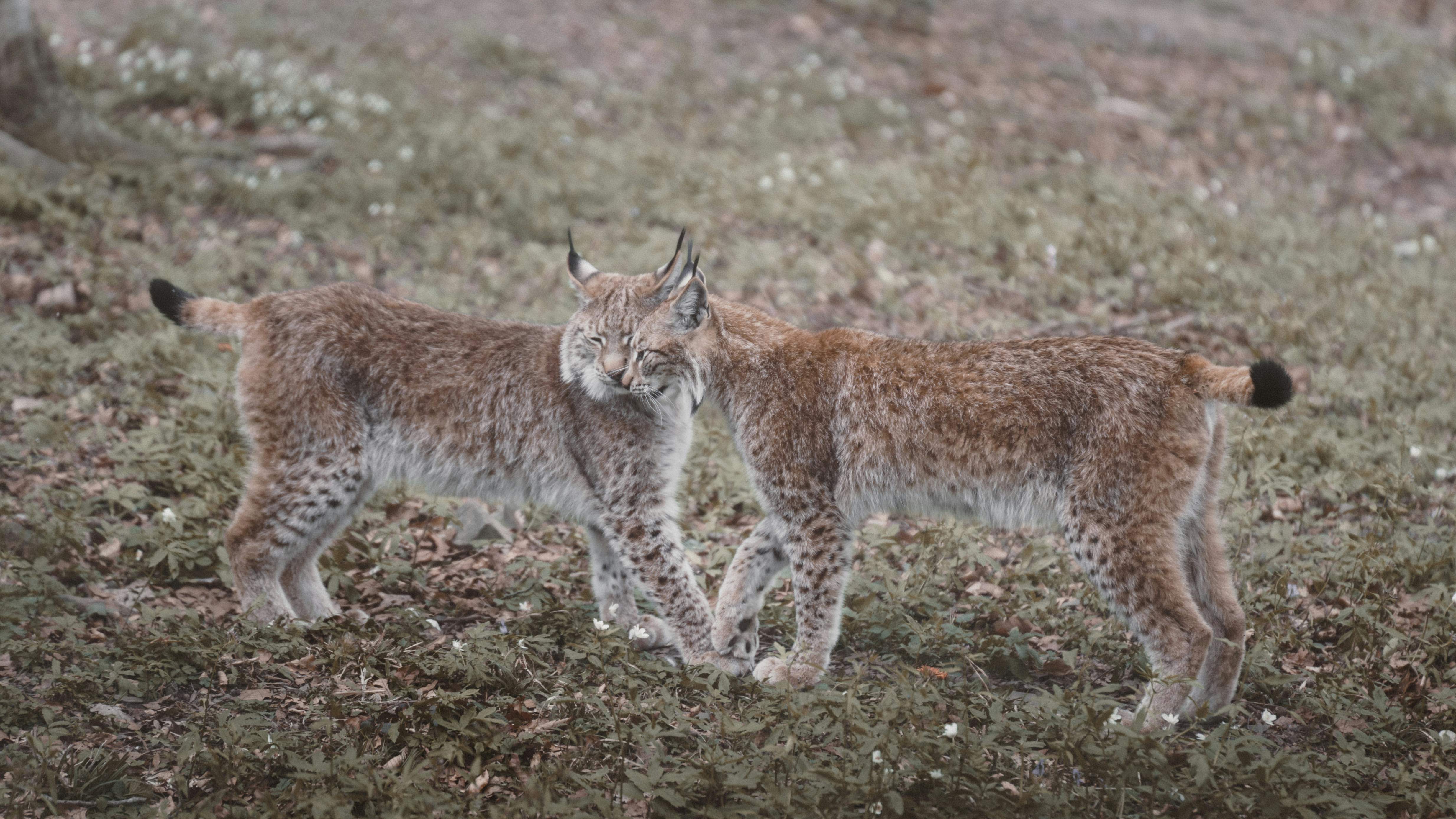
Lynx & Forest Rewilding — Nationalpark Bayerischer Wald, Bayern
Germany's oldest national park — the vast primeval forest of the Bayerischer Wald along the Czech border — has allowed Europe's largest temperate forest to revert to wilderness since 1970, creating the continent's most accessible temperate old-growth forest experience. Bark beetle "deadwood cathedrals" of standing silver snags now rise above dense understorey; wolves and lynx have returned; and the autumn rut fills the valleys with the roaring of red deer stags in a soundscape unchanged since the last glaciation.
About this spectacle
Stepping into the Bayerischer Wald at dawn, visitors encounter Europe's most accessible temperate old-growth forest in a state of deliberate wildness. Silver snags of beetle-killed spruce tower above a dense understorey, their skeletal forms catching the first light in what locals call 'deadwood cathedrals'. The forest floor is a tangle of moss-covered fallen trunks, nursery logs, and regenerating saplings — succession unmanaged since 1970. In autumn, the valleys reverberate with the guttural roaring of red deer stags during the rut, a soundscape of raw ecological authenticity. Lynx move silently through the deep shade — rarely seen but traceable in snow. Wolves, more recently returned, leave prints on forest tracks. Dawn walks along the Lusen trails bring the closest thing in central Europe to a primeval forest atmosphere: birdsong layered over wind in old-growth canopy, the musk of deer, and the sudden stillness that follows a stag's call.
When to go
Jan — Dec, peak Sep — Oct
Getting there
Nearest airport: MUC. Nearest city: Passau.
Booking options
Goyova doesn't process bookings directly. When you tap "Plan this trip" in the app, you'll see options from our partner providers — accommodation, tours, transport — with affiliate links where applicable. See our affiliate disclosure for details.
More like this.
 Peak season
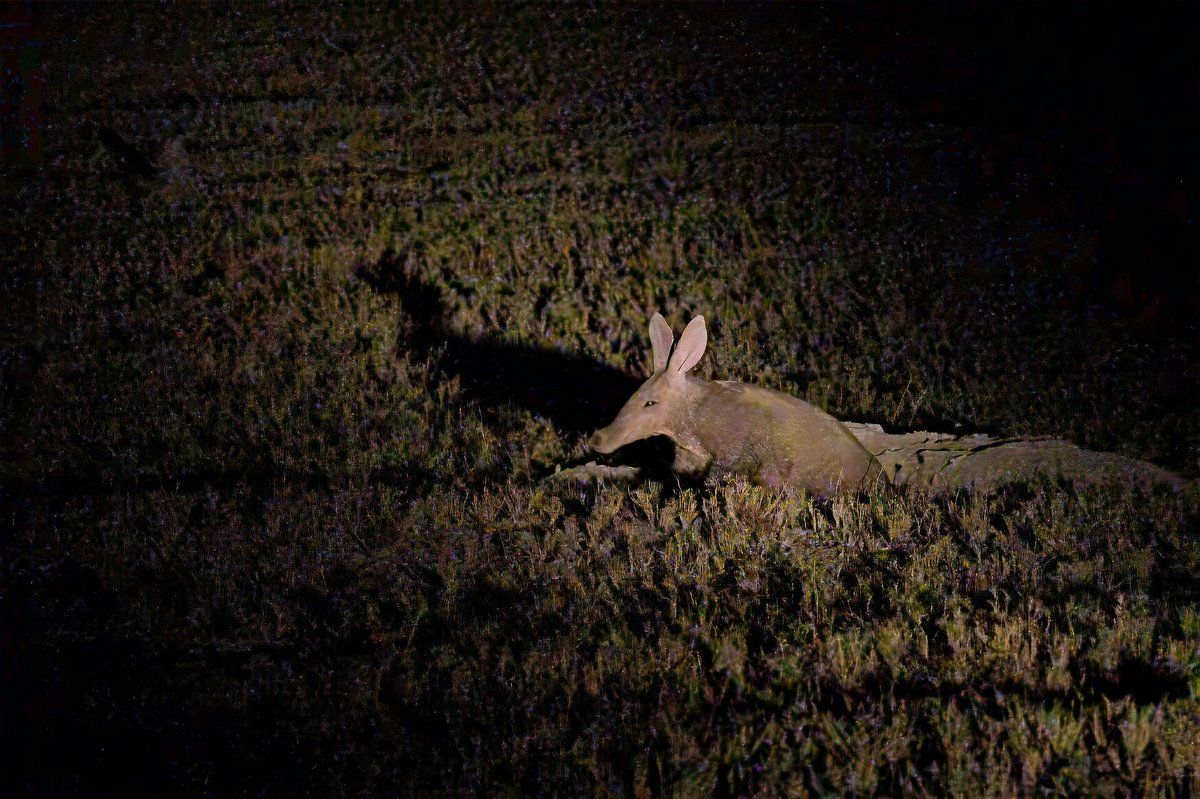
 Aardvark Night Foraging — Kalahari Botswana
Maun, Central District, BW
 Peak season
 Aardvark Night Foraging — Kalahari South Africa
Upington, Northern Cape, South Africa
 Returns Jan 2027
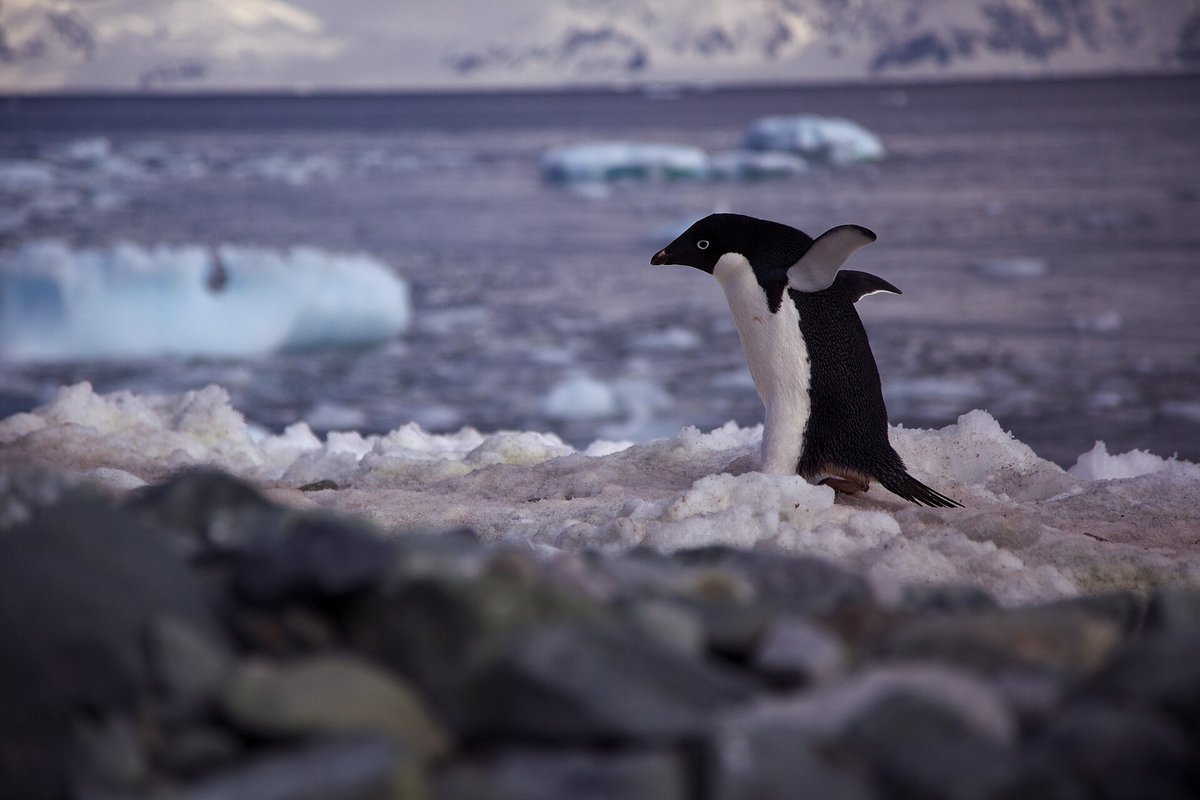
 Adélie Penguin Highway — Ross Sea Antarctica
Cape Royds, Antarctica, AQ