 Returns Jan 2027
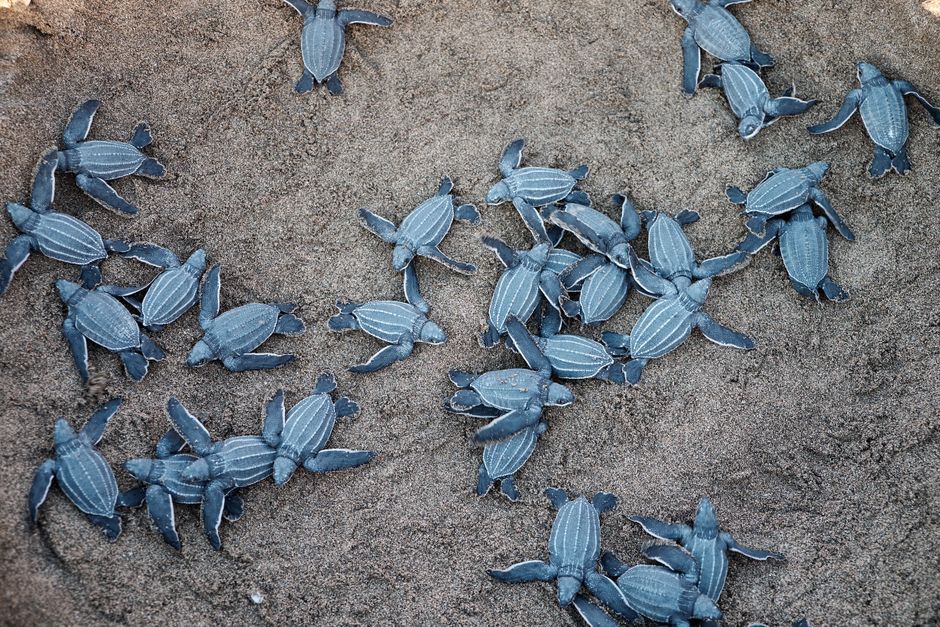
 Leatherback Turtle Nesting — Bioko Island Equatorial Guinea
Bioko Island's southern beaches — Playa Llorona, Playa Moraka, and the Ureka area — host the Gulf of Guinea's most important leatherback sea turtle (Dermochelys coriacea) nesting beaches, with an estimated 2,000–4,000 nests per season from October through March making it one of the Atlantic's 5 most important leatherback nesting beaches. The Bioko Marine Turtle Program's community ranger programme (staffed by Bubi and Fang villagers from the nearby communities) provides guided night beach walks, and the island's isolation (no vehicle access to the southern beaches, 2-hour boat journey from Malabo) ensures visitor numbers of fewer than 500 per year at a site of global conservation significance. Bioko's extraordinary forest biodiversity — the island's 8 endemic primate subspecies include the world's rarest drill and the Bioko allen's bushbaby — makes the turtle nesting beach one component of the island's extraordinary biological value.
About this spectacle
On Bioko Island's remote southern coast, leatherback sea turtles — the largest living reptiles on Earth — haul themselves ashore on beaches like Playa Llorona and Playa Moraka to nest under cover of darkness. From October through March, visitors joining guided night walks with the Bioko Marine Turtle Program's community rangers move quietly along the shoreline, listening for the laboured breathing and sand-scraping of nesting females before witnessing the slow, deliberate egg-laying process. The air is heavy with humidity, the beach unlit save for dim red-light torches, and the scale of each ancient animal — leatherbacks can exceed two metres — is genuinely humbling at close range. Return visits may reveal hatchling emergences, a chaotic rush of tiny bodies toward the surf. Because southern Bioko has no road access, the journey itself — a two-hour boat crossing from Malabo — heightens the sense of arriving somewhere genuinely wild and seldom visited. Fewer than 500 visitors per year share these beaches with up to 4,000 nests per season, one of the Atlantic's most significant leatherback aggregations.
When to go
Oct — Mar
Getting there
Nearest airport: SSG. Nearest city: Malabo.
Booking options
Goyova doesn't process bookings directly. When you tap "Plan this trip" in the app, you'll see options from our partner providers — accommodation, tours, transport — with affiliate links where applicable. See our affiliate disclosure for details.
More like this.
 Peak season
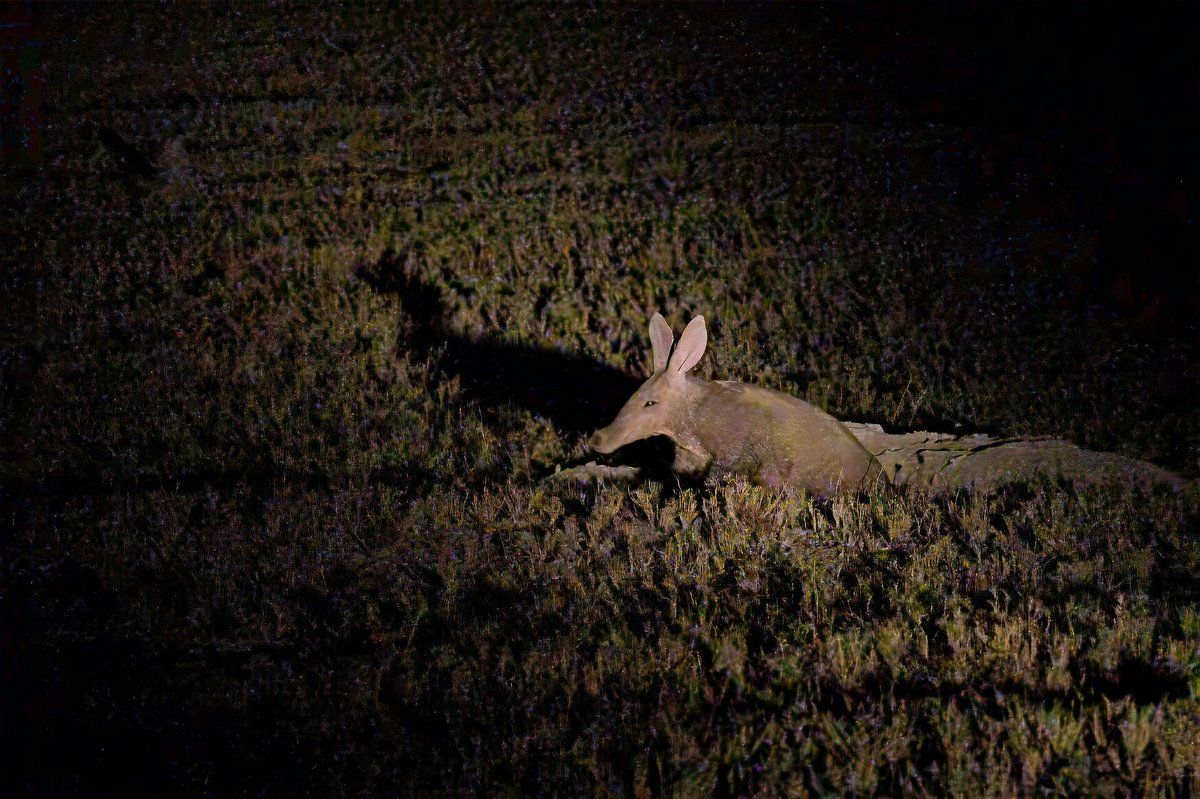
 Aardvark Night Foraging — Kalahari Botswana
Maun, Central District, BW
 Peak season
 Aardvark Night Foraging — Kalahari South Africa
Upington, Northern Cape, South Africa
 Returns Jan 2027
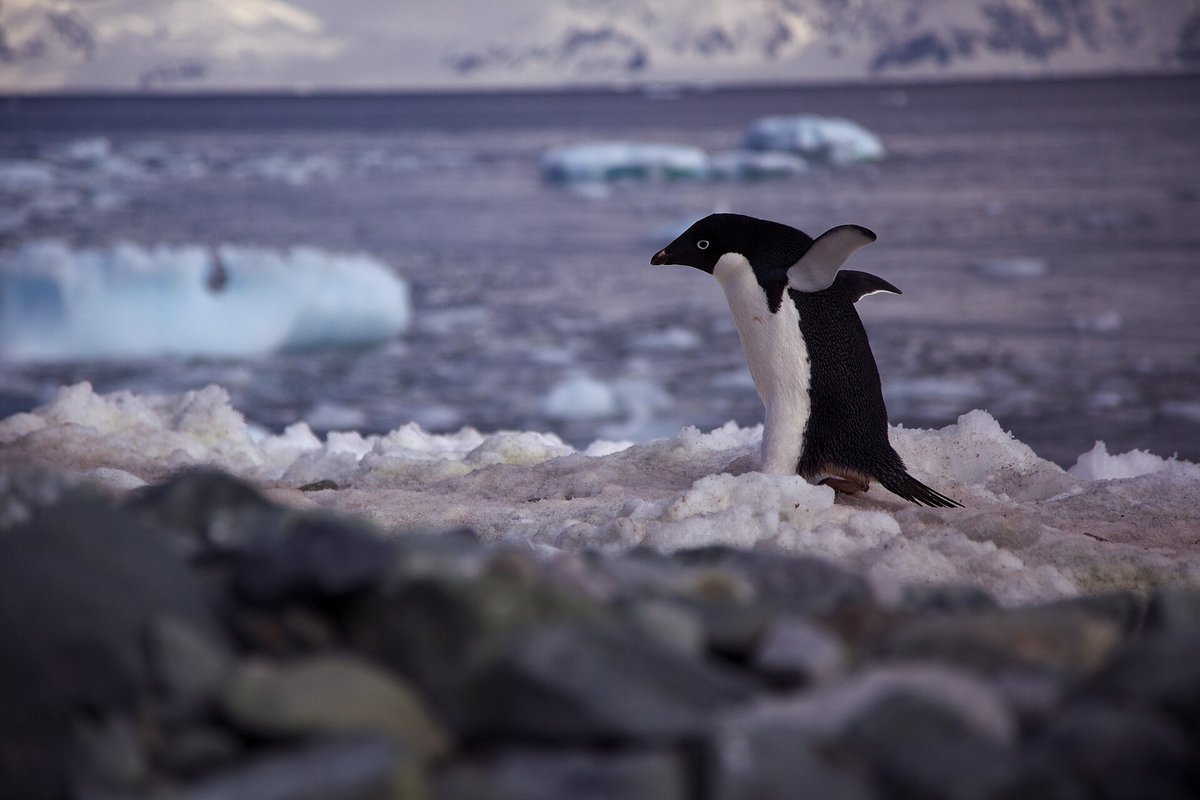
 Adélie Penguin Highway — Ross Sea Antarctica
Cape Royds, Antarctica, AQ