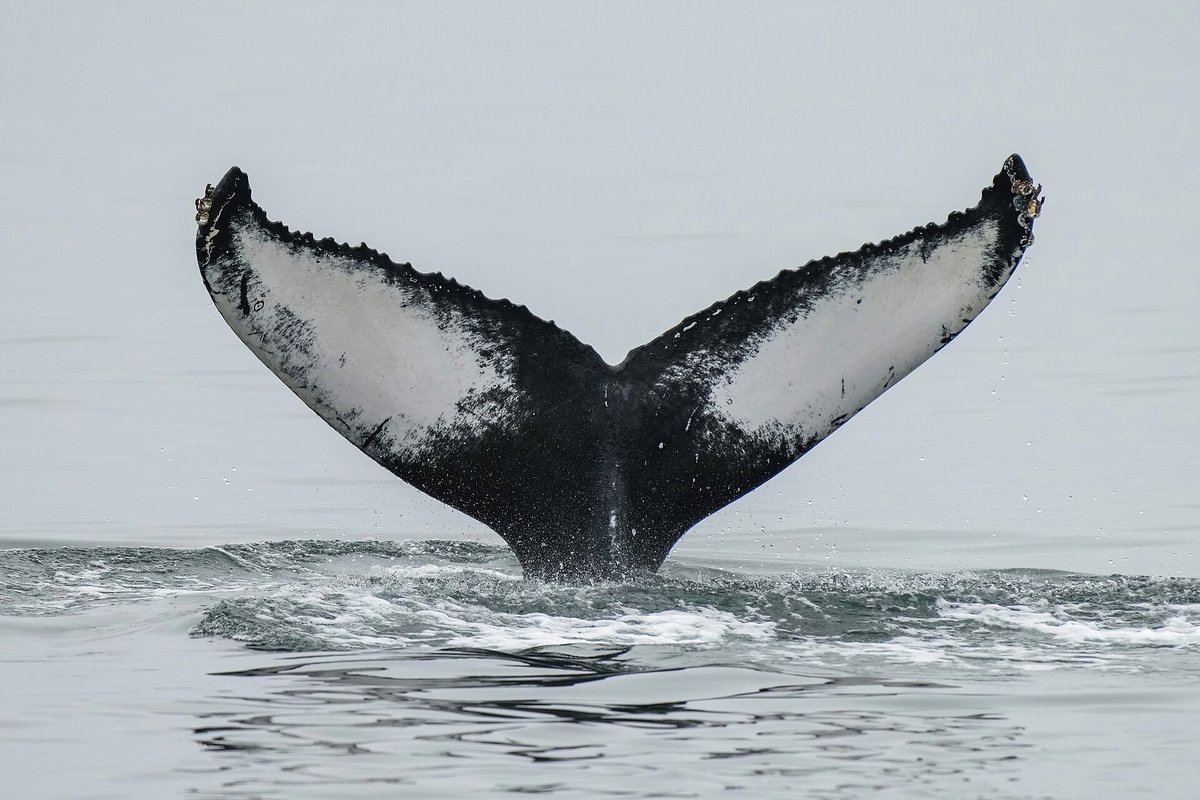
Humpback Whale Migration — Eastern Seaboard (NSW)
Each year from May to November, some 40,000 humpback whales pass along Australia's eastern coast in the world's largest inshore cetacean migration — a steady procession of spouting, breaching and tail-slapping giants visible from headlands the length of New South Wales. Cape Solander near Sydney, Byron Bay, and Eden on the Far South Coast offer the most intense encounters, with whales sometimes feeding in bubble-net formations just hundreds of metres from shore. In September and October, the return migration brings slower, less direct southbound mothers and calves passing within easy sight.
About this spectacle
Standing on a headland above Twofold Bay near Eden, you hear the hollow exhale before you see the whale — a plume of mist catching the morning light just a few hundred metres offshore. From May through November, humpback whales pass in a near-constant procession along New South Wales's eastern coast, their dark backs rolling at the surface, pectoral fins raised and then slapping down with a crack that carries across the water. At Cape Solander and Byron Bay in the north, whales sometimes feed in bubble-net formations visible from the clifftops. On the return migration in September and October, mothers and calves move more slowly and closer inshore, offering extended windows of observation. You may watch a full breach — the entire animal lifting free of the water — or simply a sequence of rolling, spouting backs stretching to the horizon. The scale is immense: roughly 40,000 animals making this passage each year, often in loose groups, with activity visible for hours from a single vantage point.
When to go
May — Nov, peak Sep — Oct
Getting there
Nearest airport: MER. Nearest city: Canberra.
Booking options
Goyova doesn't process bookings directly. When you tap "Plan this trip" in the app, you'll see options from our partner providers — accommodation, tours, transport — with affiliate links where applicable. See our affiliate disclosure for details.
More like this.
 Peak season
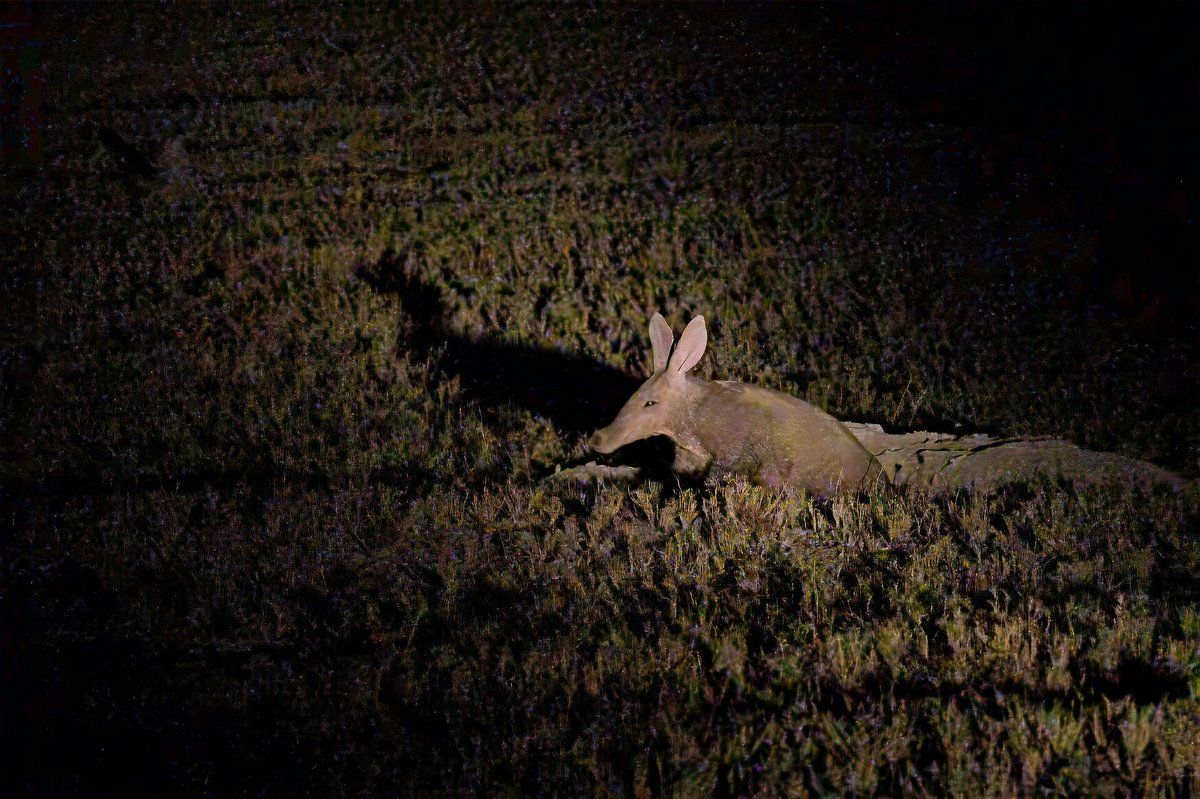
 Aardvark Night Foraging — Kalahari Botswana
Maun, Central District, BW
 Peak season
 Aardvark Night Foraging — Kalahari South Africa
Upington, Northern Cape, South Africa
 Returns Jan 2027
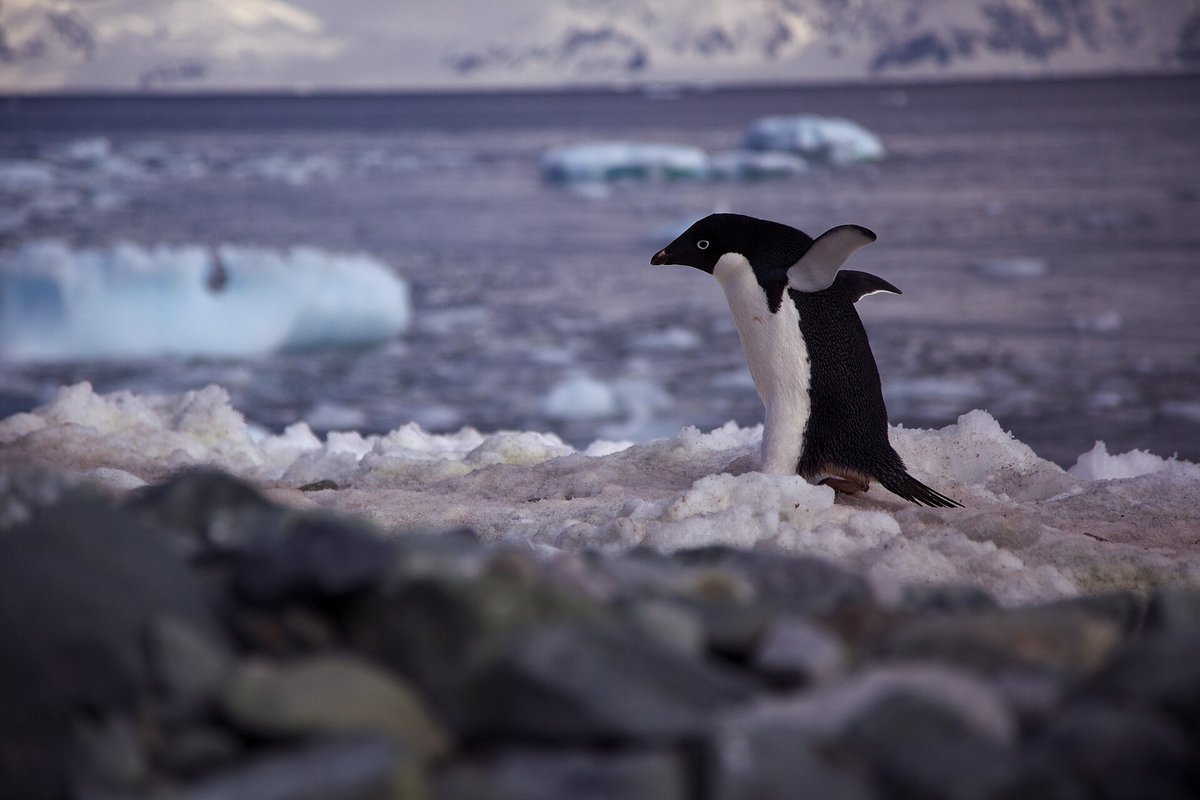
 Adélie Penguin Highway — Ross Sea Antarctica
Cape Royds, Antarctica, AQ