
Humpback Whale — Azores Spring
Each March through May, the deep waters around the Azores lie directly on the humpback whale's spring migration route between their Cape Verde winter breeding grounds and their summer feeding grounds off Iceland and Norway, creating a brief but extraordinary window when this most acrobatic of the great whales is encountered daily from the islands' whale-watching boats in conditions of Atlantic clarity and drama unmatched elsewhere in European waters. The Azores spring humpback encounters are notable for their behavioural variety — breaching, lob-tailing, pec-slapping, and spy-hopping all occur regularly, and the male whales' complex song can sometimes be heard through the hull of the boat as a haunting series of groans and whistles. The volcanic seamount topography around the Azores concentrates humpbacks at the surface in a way that allows three-to-four-hour boat trips to produce multiple encounters with different animals, and the combination of humpback whales, sperm whales, common dolphins, and loggerhead sea turtles in a single spring excursion creates a marine wildlife density extraordinary for European waters. The Azores' land-based whale spotters — vigia — operate from clifftop watchtowers using binoculars to radio positions to the boats below in a traditional system used since the commercial whaling era, adding a historical dimension to the modern wildlife encounter. The Pico Island volcano backdrop creates the most dramatic possible setting for whale photography.
About this spectacle
From March through May, the deep Atlantic waters around Pico Island host one of Europe's most spectacular marine wildlife encounters. Humpback whales pass through on their northward migration — and from small whale-watching boats you can watch them breach, lob-tail, pec-slap, and spy-hop in waters of extraordinary Atlantic clarity. On calm mornings, the haunting groans and whistles of male song travel audibly through the hull. The volcanic seamount topography concentrates animals at the surface, so three-to-four-hour excursions routinely produce multiple separate encounters. In the same outing, sperm whales, common dolphins, and loggerhead sea turtles are a real possibility — a density of marine life exceptional for European waters. Shore-based vigia — lookouts in clifftop watchtowers using the same radio-spotting system developed during the commercial whaling era — radio animal positions to boats in real time, making encounters more reliable. The soaring cone of the Pico volcano forms a dramatic photographic backdrop behind every surfacing whale.
When to go
Mar — May
Getting there
Nearest airport: PIX. Nearest city: Madalena.
Booking options
Goyova doesn't process bookings directly. When you tap "Plan this trip" in the app, you'll see options from our partner providers — accommodation, tours, transport — with affiliate links where applicable. See our affiliate disclosure for details.
More like this.
 Peak season
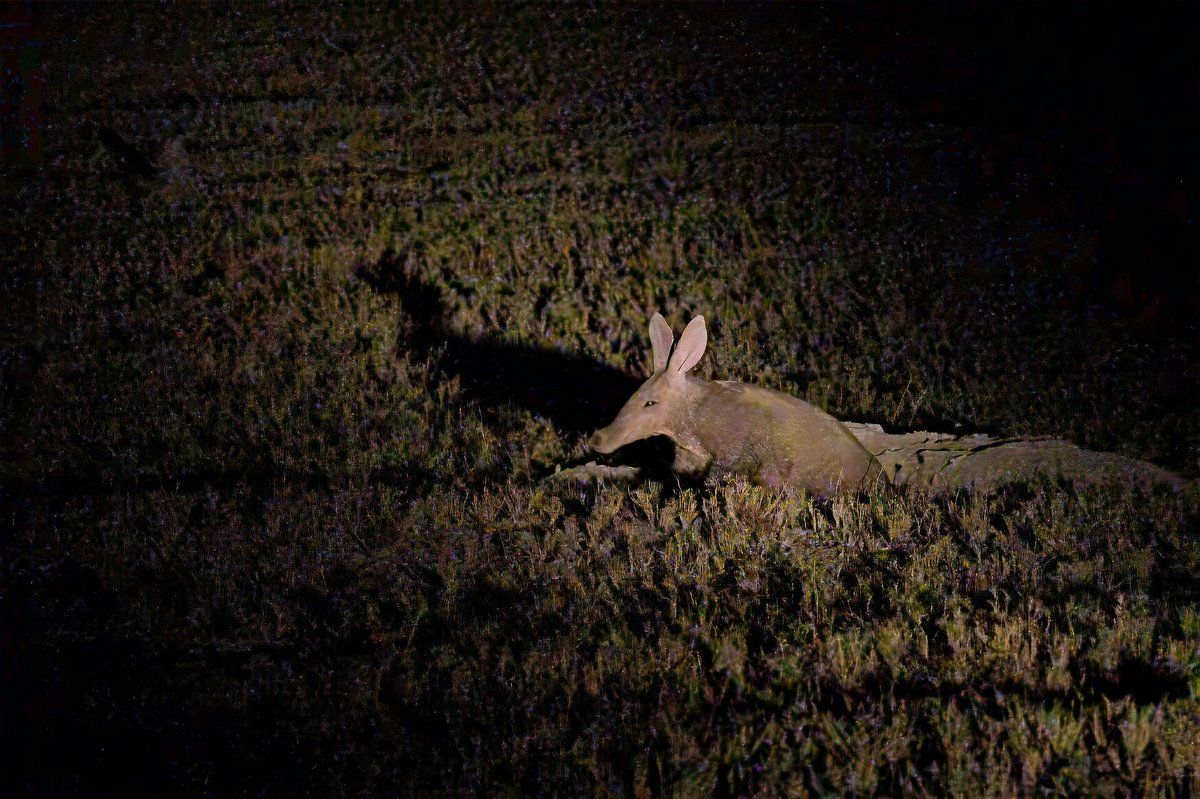
 Aardvark Night Foraging — Kalahari Botswana
Maun, Central District, BW
 Peak season
 Aardvark Night Foraging — Kalahari South Africa
Upington, Northern Cape, South Africa
 Returns Jan 2027
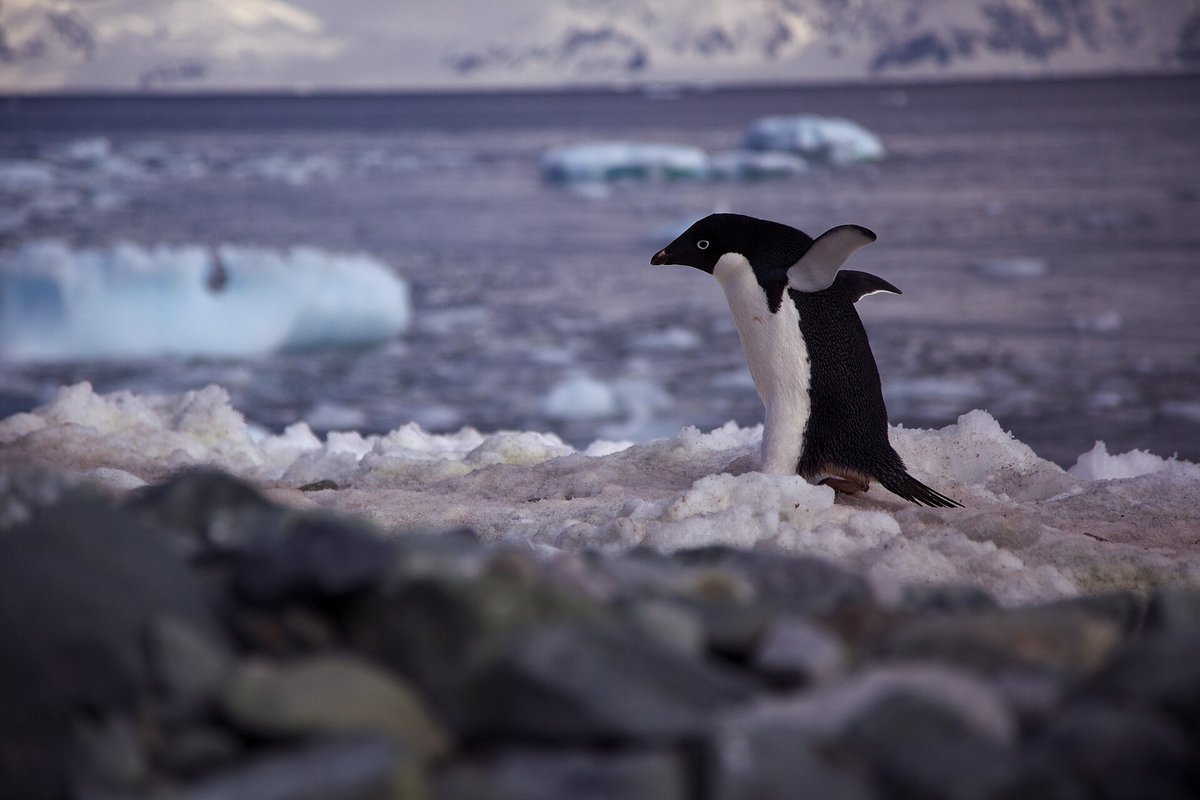
 Adélie Penguin Highway — Ross Sea Antarctica
Cape Royds, Antarctica, AQ