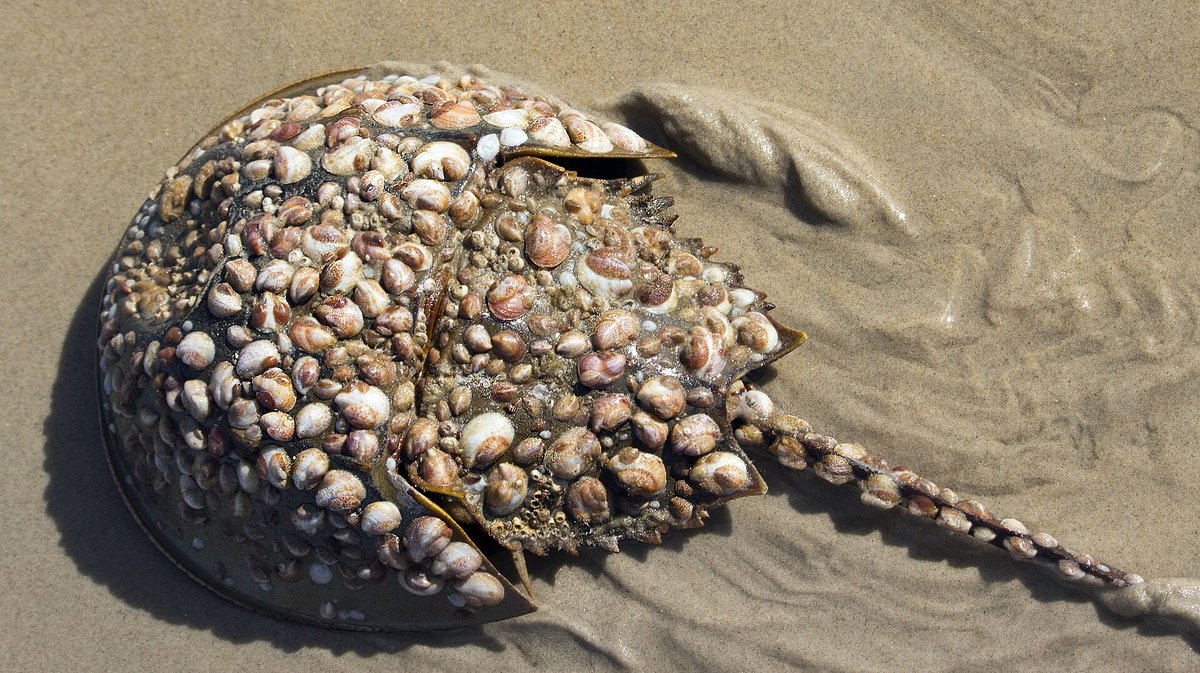
Horseshoe Crab Night Spawn — Cape May New Jersey USA
The Cape May Peninsula's Delaware Bay beaches — Reeds Beach, Cooks Beach, and Cape May National Wildlife Refuge — host the largest accessible American horseshoe crab (Limulus polyphemus) spawning aggregation after Delaware's Slaughter Beach, with peak spawning on full and new moon high tides in May and June. The night spawn on a peak tide — the beach covered in 50 crabs per square metre, the smaller males clustered around the larger females in 'satellite male' aggregations, and the eggs exposed by wave action creating a sand surface mixed with olive-green egg clusters — is one of the Atlantic coast's most primal shoreline encounters. The next morning's shorebird aggregation (red knots, ruddy turnstones, and sanderling feeding on exposed eggs, observed from the beach boardwalks) connects the horseshoe crab directly to the hemispheric migratory shorebird system in a food-chain link visible in real time.
About this spectacle
On full and new moon high tides in May and June, the Delaware Bay beaches of Cape May — particularly Reeds Beach, Cooks Beach, and the Cape May National Wildlife Refuge shoreline — transform into one of the Atlantic coast's most extraordinary nocturnal wildlife events. Hundreds of thousands of horseshoe crabs emerge from the surf, covering the sand at densities of up to 50 crabs per square metre. Smaller satellite males cluster tightly around larger females, while wave action churns the sand and exposes dense mats of olive-green egg clusters. The sounds of crabs scraping against each other and the constant wash of surf underscore the ancient, primordial character of the spectacle — this behavior has continued largely unchanged for hundreds of millions of years. Return the following morning to witness the second act: red knots, ruddy turnstones, and sanderlings pack the beach to fuel their northward migration on the exposed eggs, making the food-chain connection between two hemispheres visible in a single glance from the beach boardwalks.
When to go
May — Jun
Getting there
Nearest airport: ACY. Nearest city: Vineland.
Booking options
Goyova doesn't process bookings directly. When you tap "Plan this trip" in the app, you'll see options from our partner providers — accommodation, tours, transport — with affiliate links where applicable. See our affiliate disclosure for details.
More like this.
 Peak season
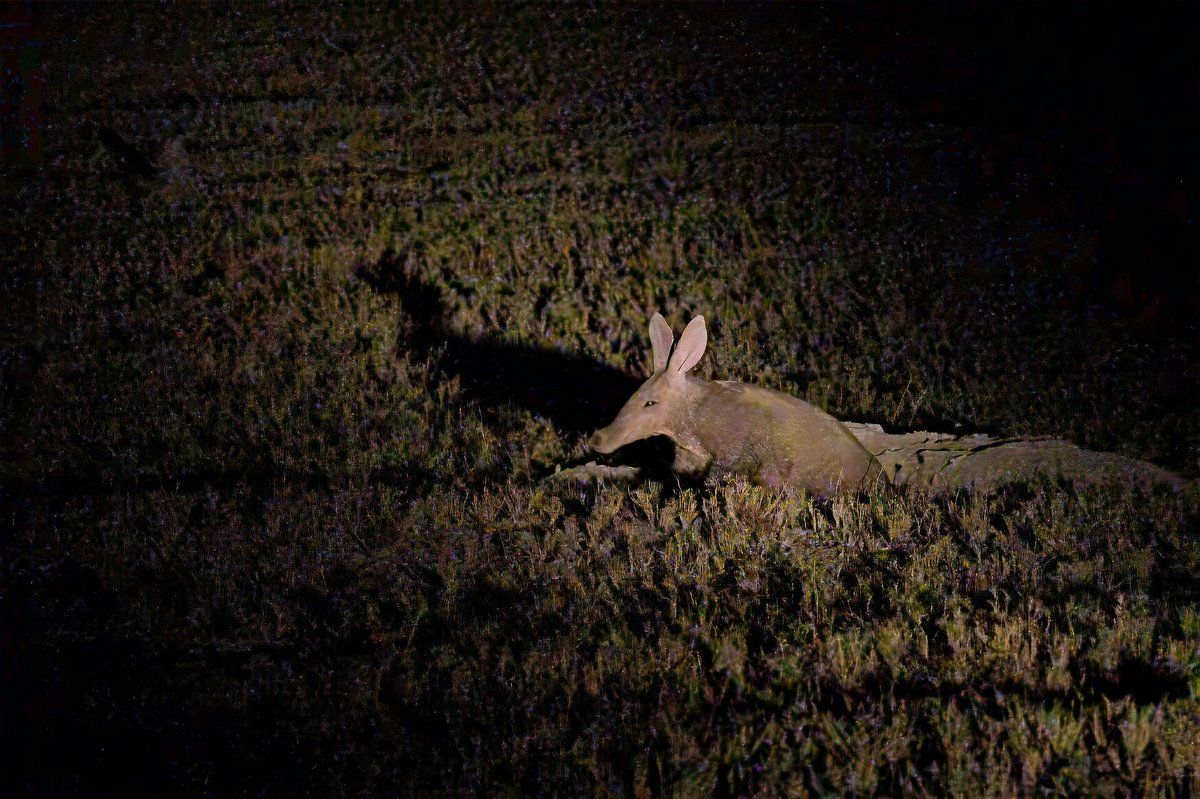
 Aardvark Night Foraging — Kalahari Botswana
Maun, Central District, BW
 Peak season
 Aardvark Night Foraging — Kalahari South Africa
Upington, Northern Cape, South Africa
 Returns Jan 2027
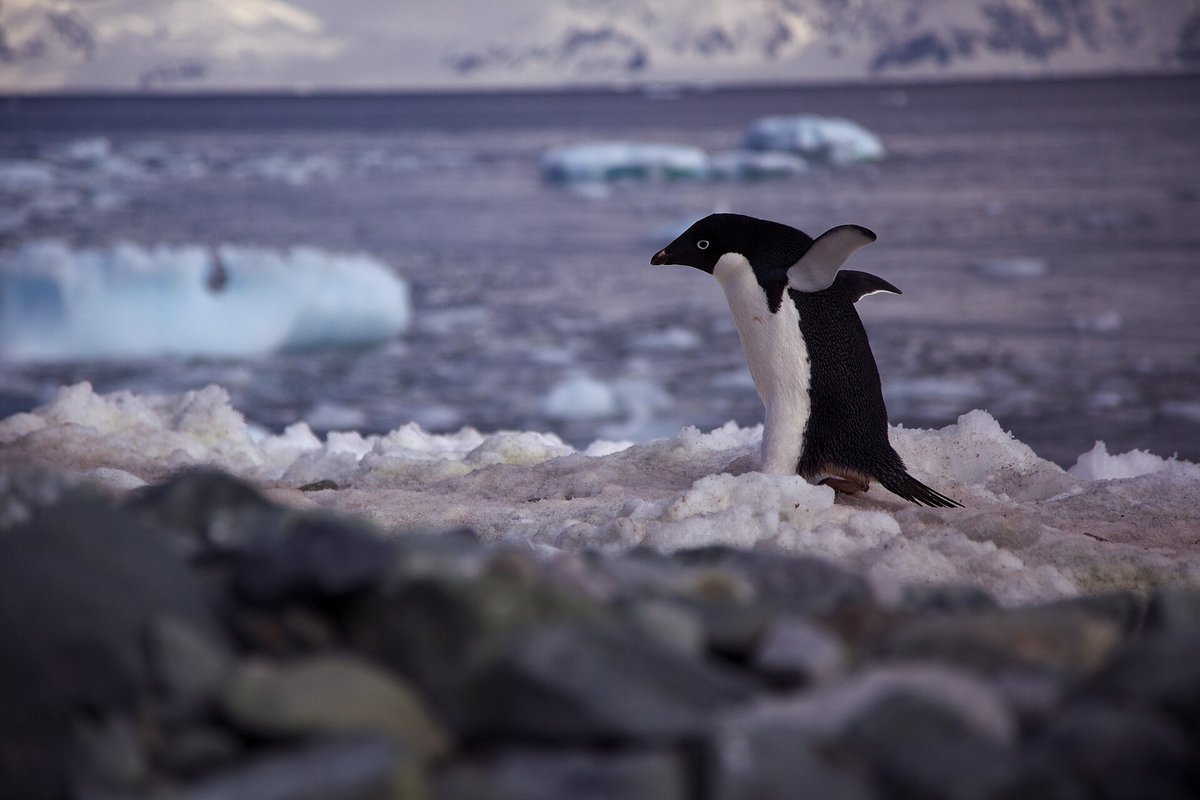
 Adélie Penguin Highway — Ross Sea Antarctica
Cape Royds, Antarctica, AQ