
Heron Fishing Aggregation — Tagus River Spain
Each winter, the upper Tagus river and its tributaries in the Sistema Ibérico mountains of Castilla-La Mancha host extraordinary concentrations of great white egrets, grey herons, black storks, and kingfishers at productive fishing stations along the clear cold river — creating a fishing bird spectacle of unusual intensity on one of Spain's least-known and most scenically dramatic river systems. The Tagus gorges of the Serranía de Cuenca — where the young river carves dramatic limestone canyons through the Iberian plateau — concentrate fish at natural pools and shallows that draw herons and egrets in winter numbers exceeding those of any other Spanish river of similar size. Great white egrets — a relatively recent Spanish breeding species — have established winter concentrations of over 200 birds at certain Tagus pools, standing motionless in the shallows in pure-white groups that create an almost tropical spectacle in the cold Castilian winter landscape. The surrounding Serranía de Cuenca landscape — the Enchanted City rock formations, ancient junipers, and the hanging houses of Cuenca itself perched above the gorge — creates one of Spain's most architecturally and geologically dramatic backdrops for a winter wildlife excursion. Black storks winter along the river in small numbers, one of the most sought-after winter birds in inland Spain.
About this spectacle
On cold winter mornings, the upper Tagus and its tributaries cut through dramatic limestone gorges in the Serranía de Cuenca, concentrating fish in clear natural pools and shallows. Visitors standing at the canyon edges or riverside paths watch motionless lines of great white egrets — sometimes more than 200 birds — gleaming against grey Castilian winter light. Grey herons stand sentinel on mid-river boulders, while the electric-blue flash of kingfishers punctuates the scene. Black storks, among the most elusive of Spain's winter birds, pick their way quietly along shaded banks. The air is cold and still, carrying only the sound of rushing water and the occasional harsh call of a heron taking flight. Behind this living tableau, the Serranía landscape adds extraordinary context: twisted ancient junipers, sculpted limestone outcrops, and the silhouette of Cuenca's hanging houses perched above their own gorge. Dawn is the optimal moment, when light rakes low across the water and egret flocks are most active and concentrated.
When to go
Oct — Mar, peak Dec — Feb
Getting there
Nearest airport: MAD. Nearest city: Cuenca.
Booking options
Goyova doesn't process bookings directly. When you tap "Plan this trip" in the app, you'll see options from our partner providers — accommodation, tours, transport — with affiliate links where applicable. See our affiliate disclosure for details.
More like this.
 Peak season
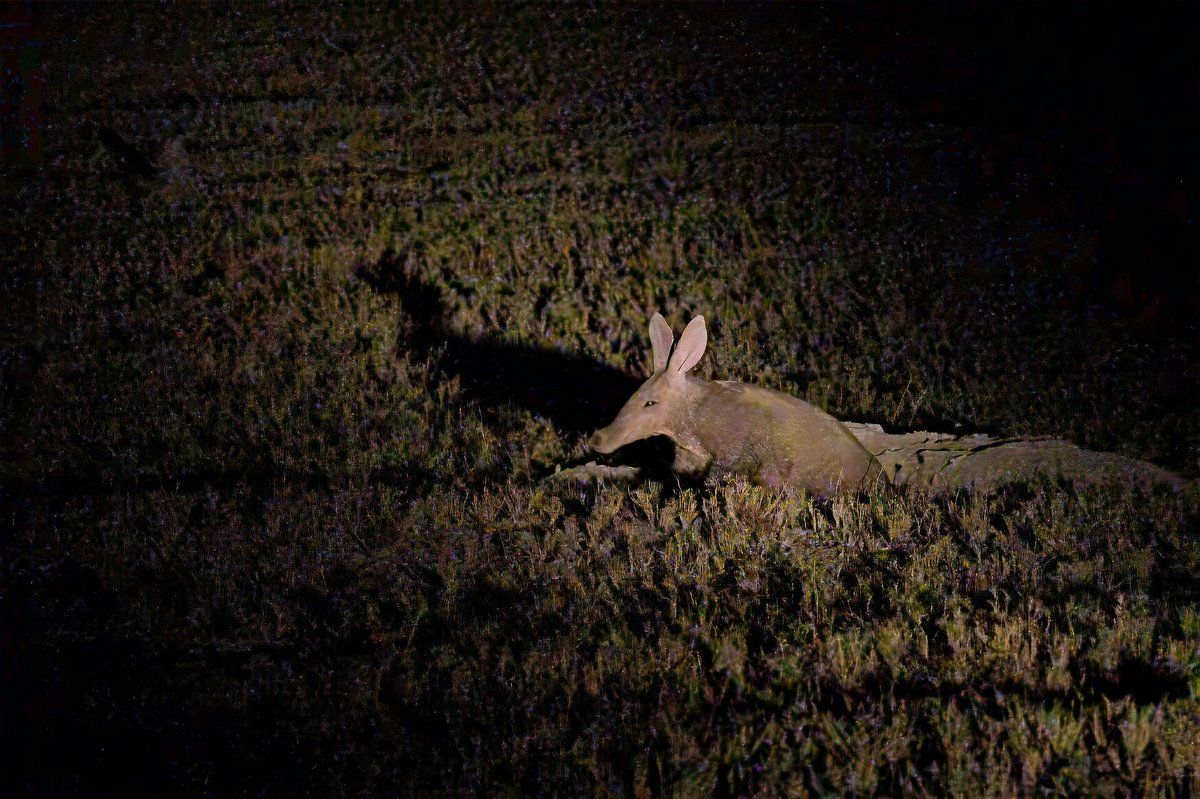
 Aardvark Night Foraging — Kalahari Botswana
Maun, Central District, BW
 Peak season
 Aardvark Night Foraging — Kalahari South Africa
Upington, Northern Cape, South Africa
 Returns Jan 2027
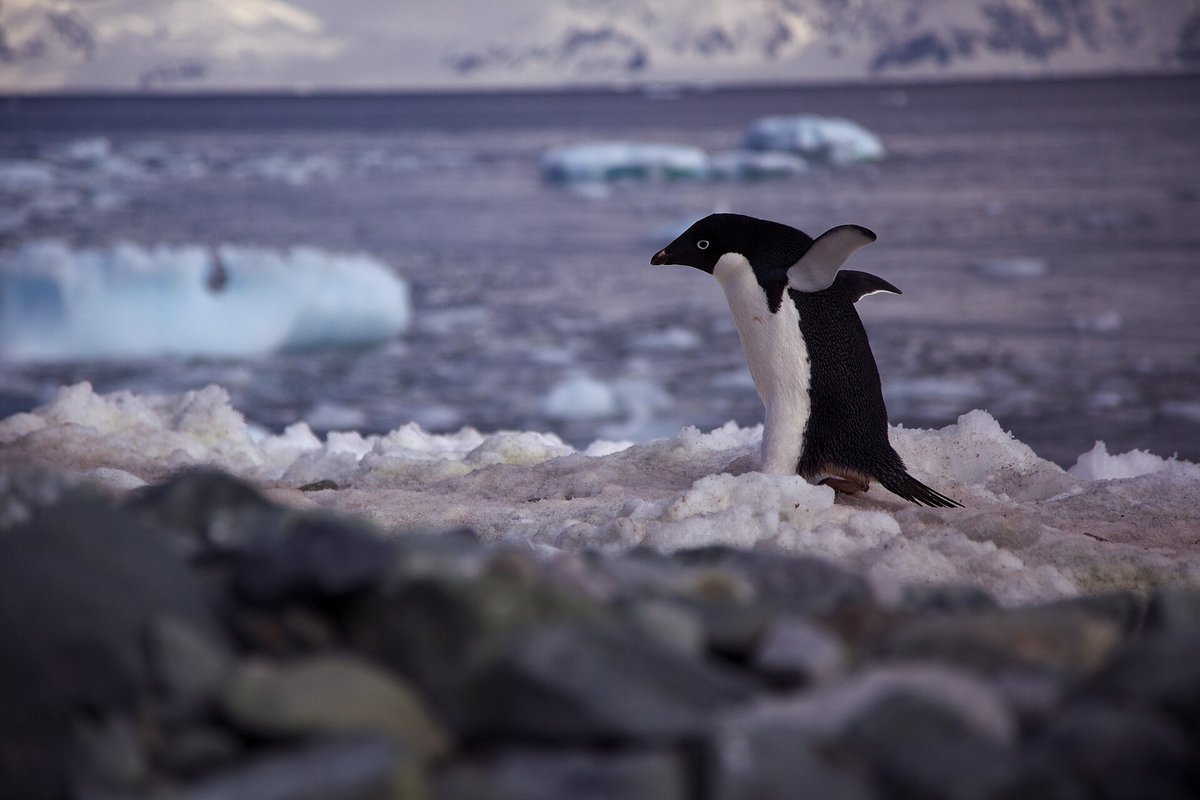
 Adélie Penguin Highway — Ross Sea Antarctica
Cape Royds, Antarctica, AQ