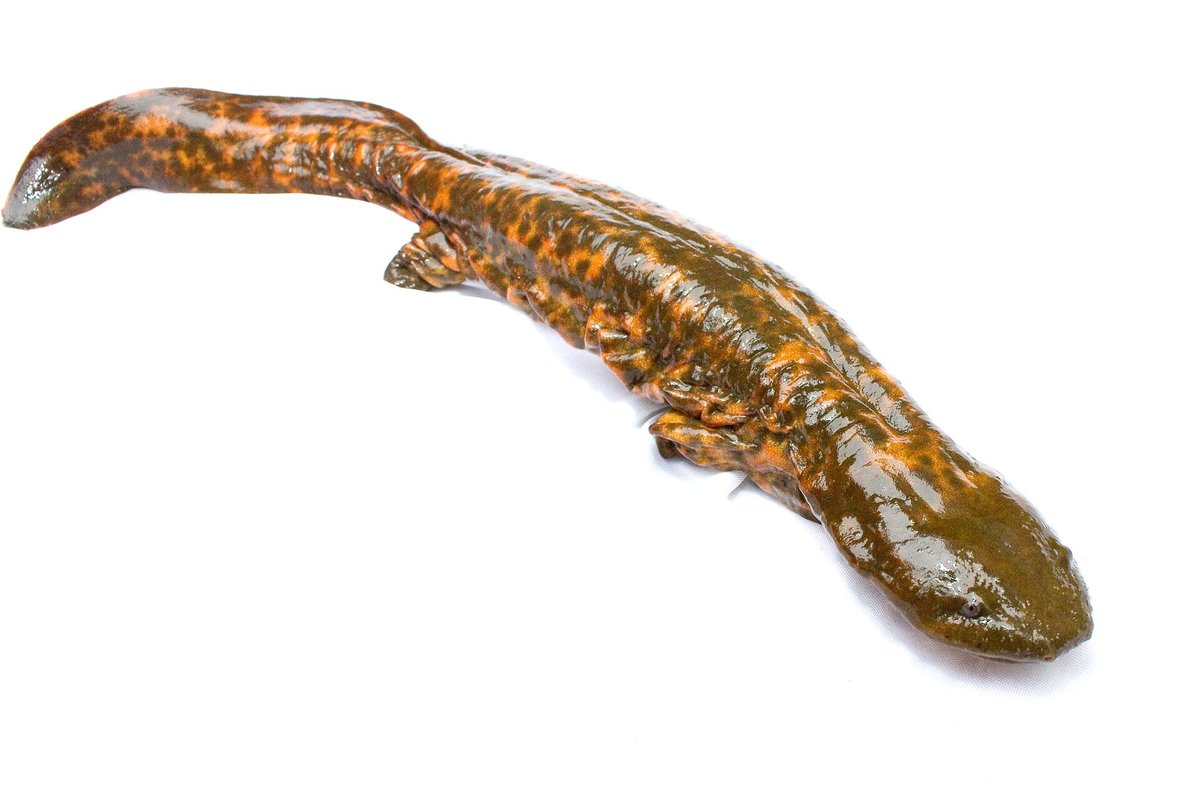
Hellbender Salamander — Appalachian Rivers USA
The hellbender (Cryptobranchus alleganiensis) — North America's largest salamander at 75 centimetres, living under flat rock slabs in clean, fast-flowing Appalachian streams, its wrinkled skin folds (which increase surface area for cutaneous oxygen uptake) and flattened body creating a prehistoric appearance unchanged since the Miocene — is observable by snorkelling the clear streams of the Great Smoky Mountains and the New River Gorge where flat sandstone slabs provide nesting habitat. The hellbender's extreme site fidelity (the same male defends the same nest rock for decades), its role as an indicator of pristine water quality (hellbenders are present only where water quality is exceptional), and its extraordinary longevity (documented to 30+ years in the wild) create a freshwater encounter of considerable ecological depth. The male's brooding behaviour (fanning the egg mass under the rock for 2 months, the eggs' orange-red colour visible under the rock edge) and the hatchlings' external gill tufts create a complete salamander life history encounter in a single Appalachian stream visit.
About this spectacle
Wading or snorkelling the clear, cold streams of Great Smoky Mountains, visitors peer beneath flat sandstone slabs to discover North America's largest salamander — a creature that has barely changed since the Miocene. The hellbender's distinctively wrinkled, reddish-brown skin ripples slightly in the current, its folds absorbing oxygen directly from the water. Males may be found occupying the same nest rock they have defended for decades, and during late summer brooding season the orange-red egg clusters are visible at the rock's edge, guarded by a vigilant male fanning them with his tail. The surrounding stream environment is itself a quality signal: hellbenders exist only where water clarity, oxygen levels, and macroinvertebrate communities are exceptional. Hatchlings, tiny and fringed with feathery external gills, can occasionally be spotted nearby. The encounter is quiet, intimate, and fundamentally freshwater — boots planted on cobble in a sunlit Appalachian run, the ancient animal barely moving beneath its slab.
When to go
Apr — Oct, peak Jul — Sep
Getting there
Nearest airport: AVL. Nearest city: Asheville.
Booking options
Goyova doesn't process bookings directly. When you tap "Plan this trip" in the app, you'll see options from our partner providers — accommodation, tours, transport — with affiliate links where applicable. See our affiliate disclosure for details.
More like this.
 Peak season
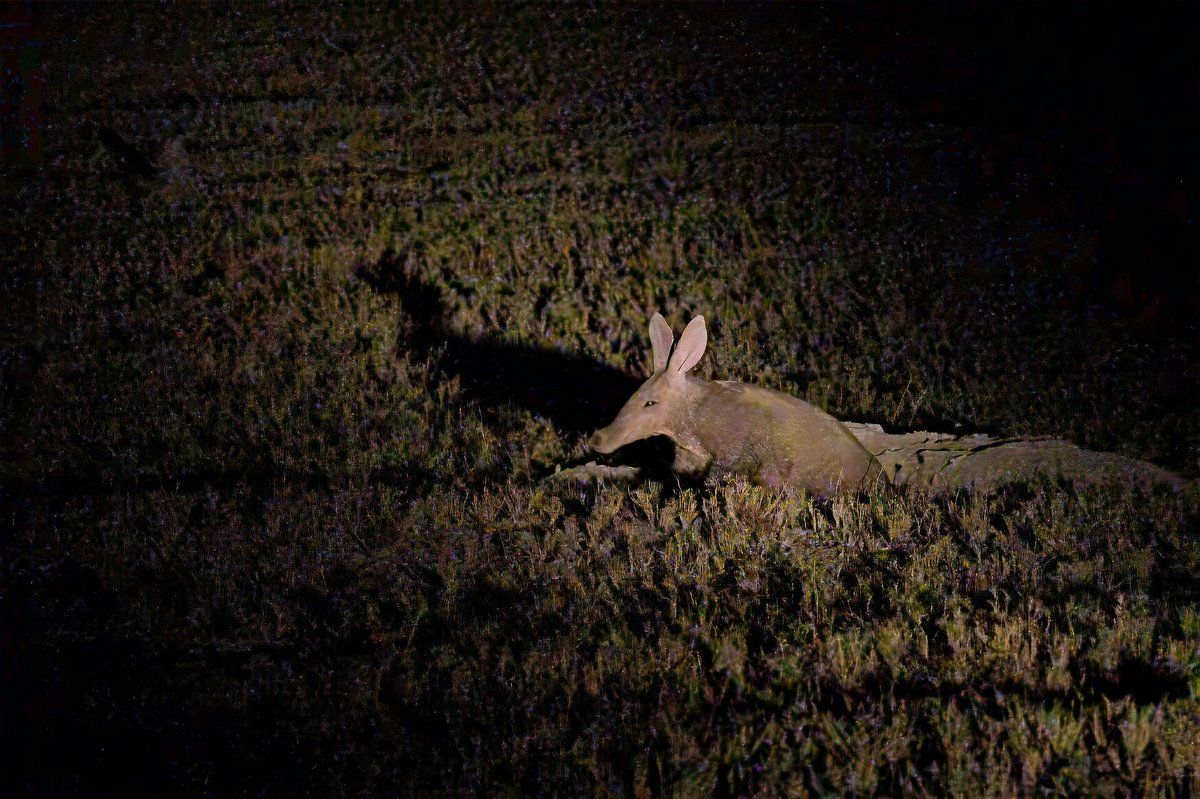
 Aardvark Night Foraging — Kalahari Botswana
Maun, Central District, BW
 Peak season
 Aardvark Night Foraging — Kalahari South Africa
Upington, Northern Cape, South Africa
 Returns Jan 2027
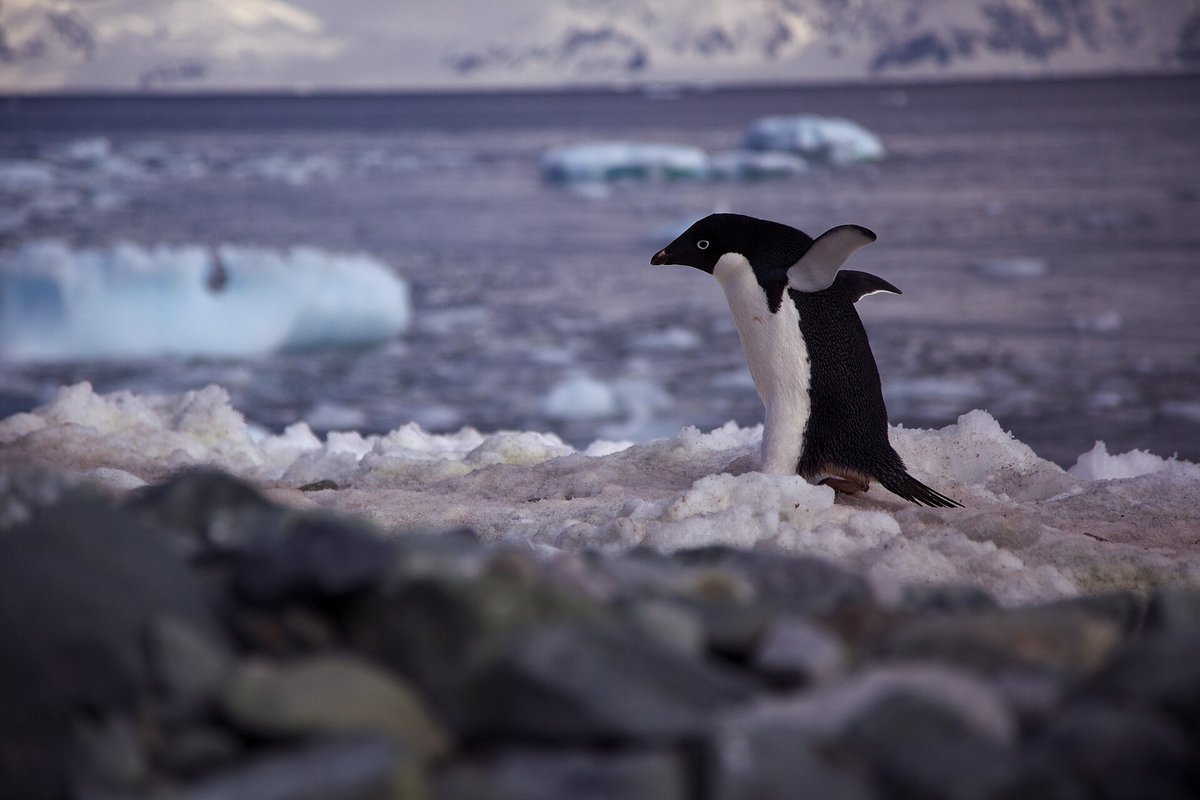
 Adélie Penguin Highway — Ross Sea Antarctica
Cape Royds, Antarctica, AQ