 In season
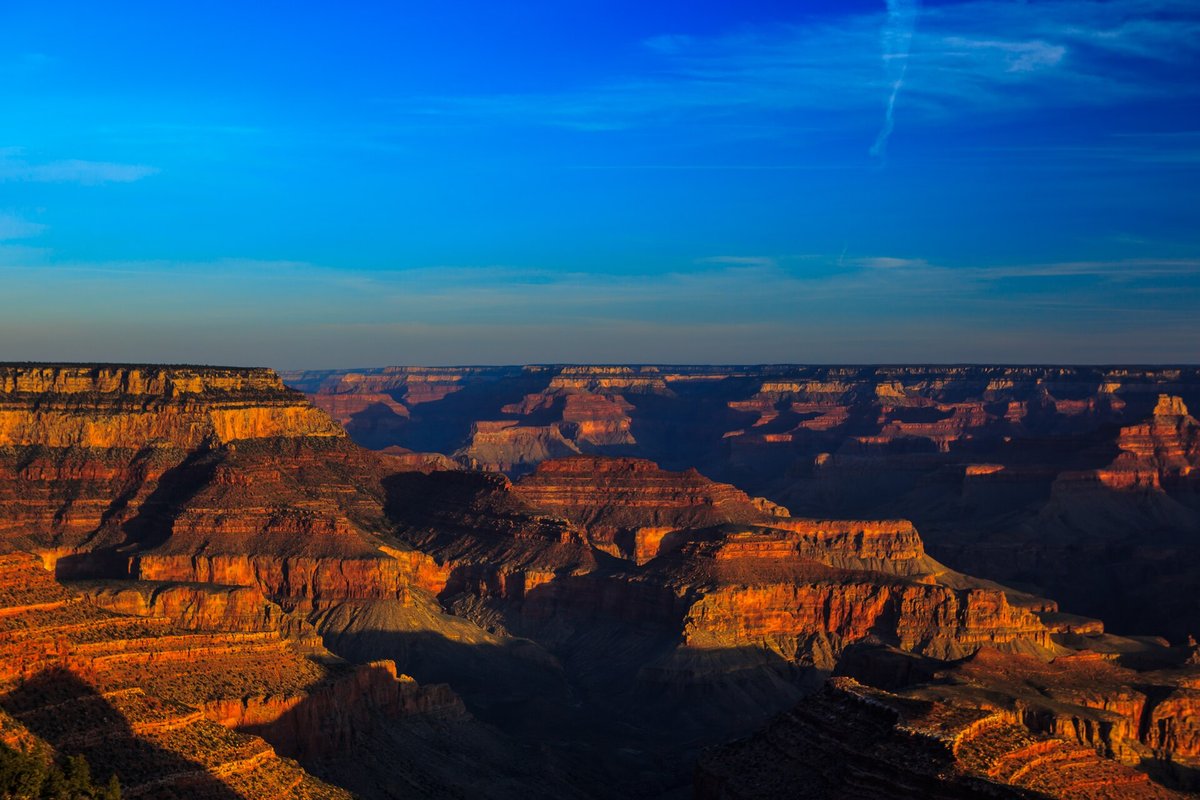
 Grand Canyon South Rim Sunrise — Arizona USA
The Grand Canyon's south rim sunrise — the light's first touch on the Kaibab Formation's white limestone at Mather Point and Yavapai Observation Station, then descending through the Coconino, Hermit, and Esplanade sandstone layers in an hour-long illumination sequence that reveals the canyon's 1.8-billion-year geological column layer by layer — is one of the world's finest sequential natural light events. The canyon's 16-kilometre width and 1,800-metre depth means the sunrise illumination operates at a spatial scale that no other geological feature can match, and the combination of the Colorado River's silver ribbon 1,800 metres below, the purple shadow of the north rim, and the orange-gold of the illuminated south-facing cliffs creates a colour composition of extraordinary sophistication. The condor population — recently reintroduced, now 300+ birds soaring on the canyon's thermals — adds one of conservation's greatest success stories to the landscape experience.
About this spectacle
Standing at Mather Point or Yavapai Observation Station before dawn, visitors watch the canyon emerge from absolute darkness as the first light touches the Kaibab Formation's white limestone at the rim. Over the next hour, the illumination cascades downward — layer by layer through the Coconino, Hermit, and Esplanade sandstone — revealing warm oranges, deep reds, and muted purples in sequence, as if someone is slowly raising a curtain on 1.8 billion years of Earth history. The north rim's purple shadow recedes as the Colorado River, 1,800 metres below, catches the light and turns silver. The spatial scale is staggering: 16 kilometres of open air between rims, the colour composition shifting by the minute. Above it all, California condors — more than 300 strong, one of conservation's great recoveries — ride the warming thermals, their wingspans silhouetted against the brightening walls. The cold pre-dawn air, the deep silence, and the sudden eruption of colour make this a sunrise unlike any other geological amphitheatre on Earth.
When to go
Jan — Dec, peak Sep — Apr
Getting there
Nearest airport: FLG. Nearest city: Flagstaff.
Booking options
Goyova doesn't process bookings directly. When you tap "Plan this trip" in the app, you'll see options from our partner providers — accommodation, tours, transport — with affiliate links where applicable. See our affiliate disclosure for details.
More like this.
 Returns Jan 2027
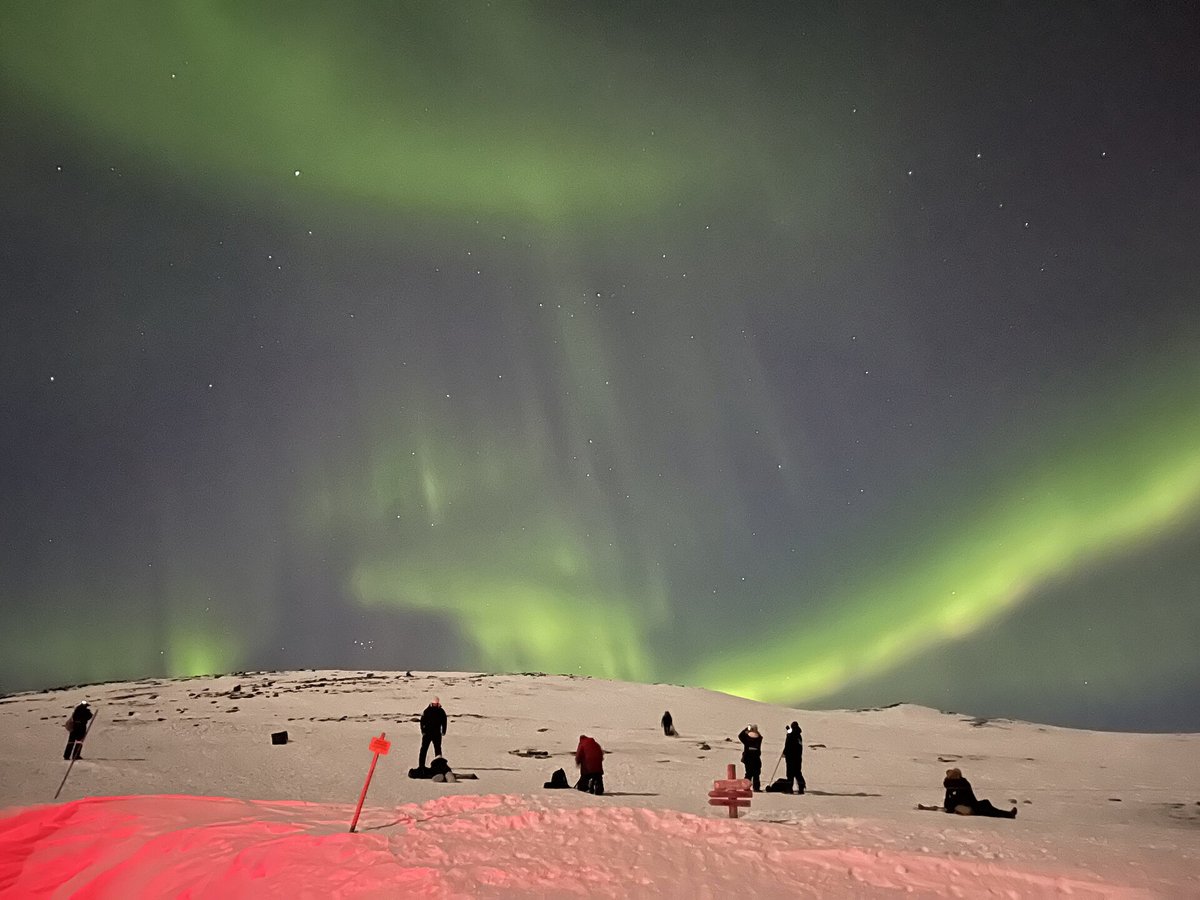
 Abisko Aurora Sky Station
Sweden
 Off-season
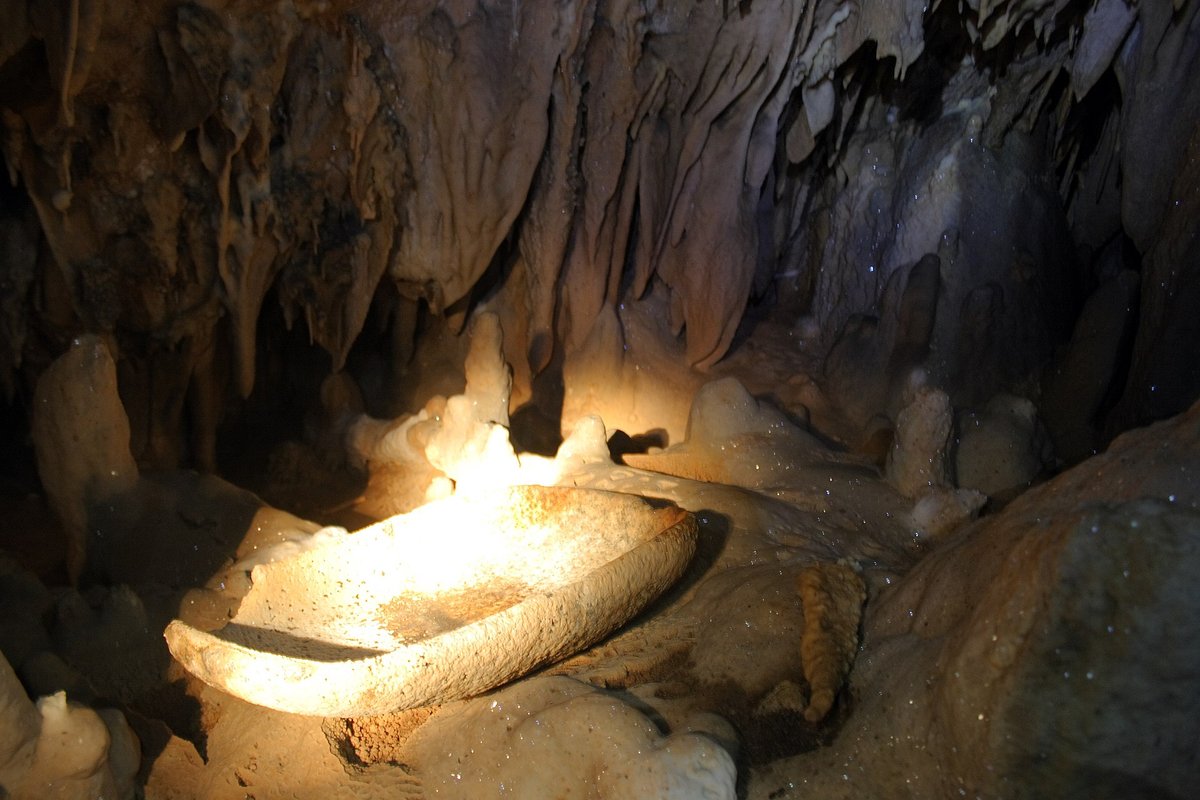
 Actun Tunichil Muknal — Cayo Belize
San Ignacio, Cayo District, BZ
 Peak season
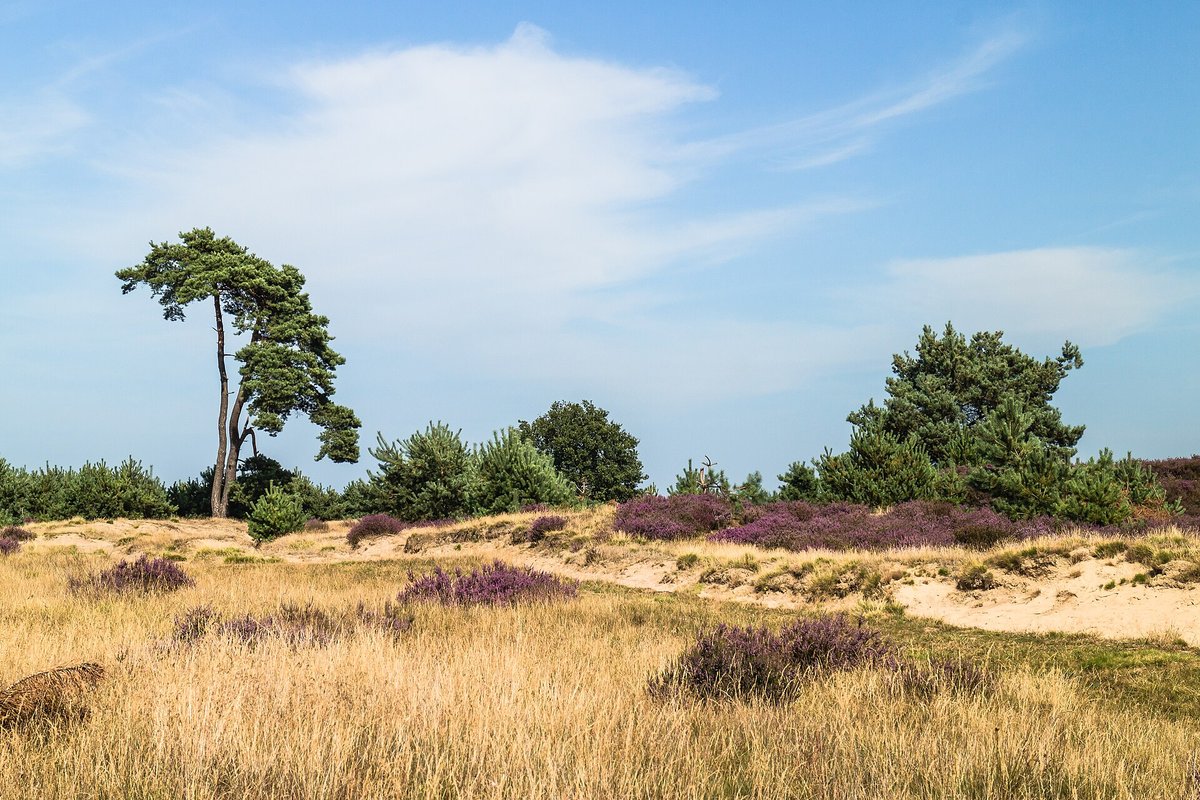
 Aekingerzand
NL