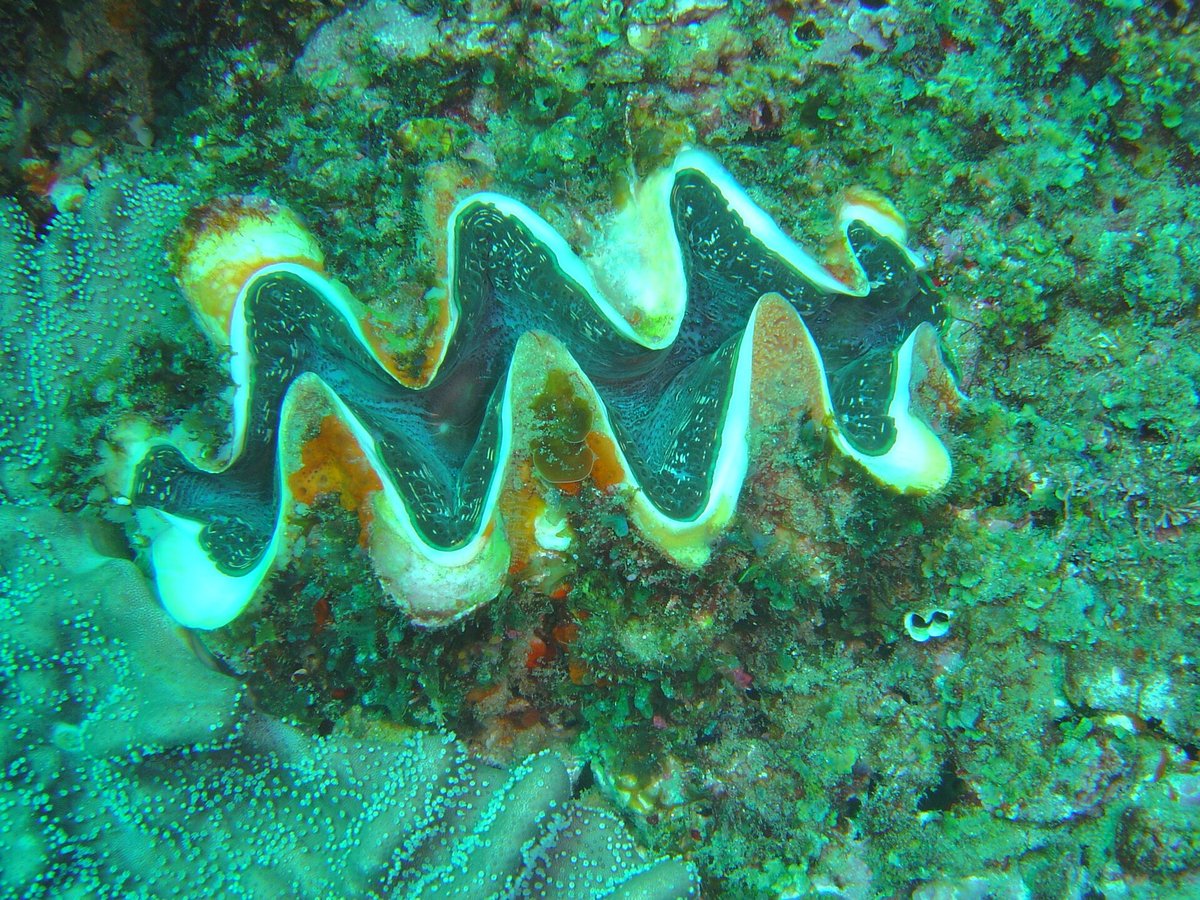
Giant Clam Garden — Palau Micronesia
Palau's Soft Coral Arch and Ngemelis Wall reef systems support the world's densest concentration of giant clams (Tridacna gigas and Tridacna squamosa) — individual clams reaching 1.3 metres and 300 kg, living for over 100 years, their vivid iridescent mantles (electric blue, green, and purple, produced by symbiotic zooxanthellae photosynthetic algae) creating a reef floor of coloured textile-like surfaces visible from 10 metres above. The giant clam's biology — the largest bivalve on Earth, anchored in a single spot for life, supporting an entire community of fish, shrimps, and worms in its mantle and body — gives each encounter a self-contained ecological significance. Palau's marine protected area, the most rigorously enforced in Micronesia, maintains clam densities that have been eliminated from most Indo-Pacific reefs, and a snorkel over the clam garden produces encounters with more living biomass in a single reef section than most divers see in a lifetime of reef diving.
About this spectacle
Dropping into the waters above Ngemelis Wall, snorkelers and divers are immediately confronted with a reef floor crowded with living colour. Giant clams — some reaching 1.3 metres across and weighing up to 300 kilograms — sit anchored in the coral, their mantles rippling with electric blues, deep purples, and vivid greens produced by photosynthetic algae living in the tissue. Looking down from 10 metres above, the display resembles a mosaic of iridescent fabric panels spread across the reef. Each clam is its own micro-ecosystem: small fish, shrimps, and worms inhabit the folds of its mantle. The water clarity typical of Palau's protected marine environment lets morning light play across these surfaces with particular intensity, picking out the metallic shimmer that makes the clams visible from distance. Because Palau's marine protected area is rigorously enforced, the densities here are unlike anything remaining on most Indo-Pacific reefs — a snorkel pass covers more living biomass than many divers accumulate in years of reef experience elsewhere.
When to go
Year-round
Getting there
Nearest airport: ROR. Nearest city: Koror.
Booking options
Goyova doesn't process bookings directly. When you tap "Plan this trip" in the app, you'll see options from our partner providers — accommodation, tours, transport — with affiliate links where applicable. See our affiliate disclosure for details.
More like this.
 Peak season
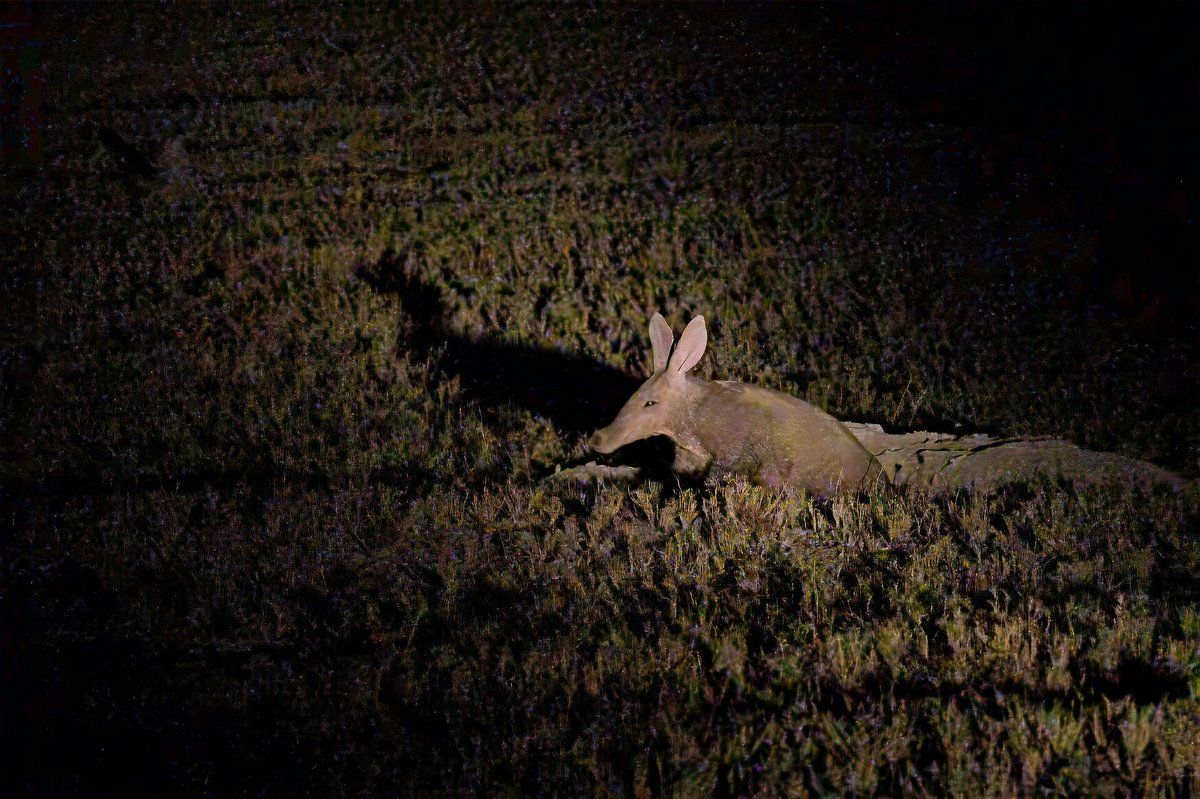
 Aardvark Night Foraging — Kalahari Botswana
Maun, Central District, BW
 Peak season
 Aardvark Night Foraging — Kalahari South Africa
Upington, Northern Cape, South Africa
 Returns Jan 2027
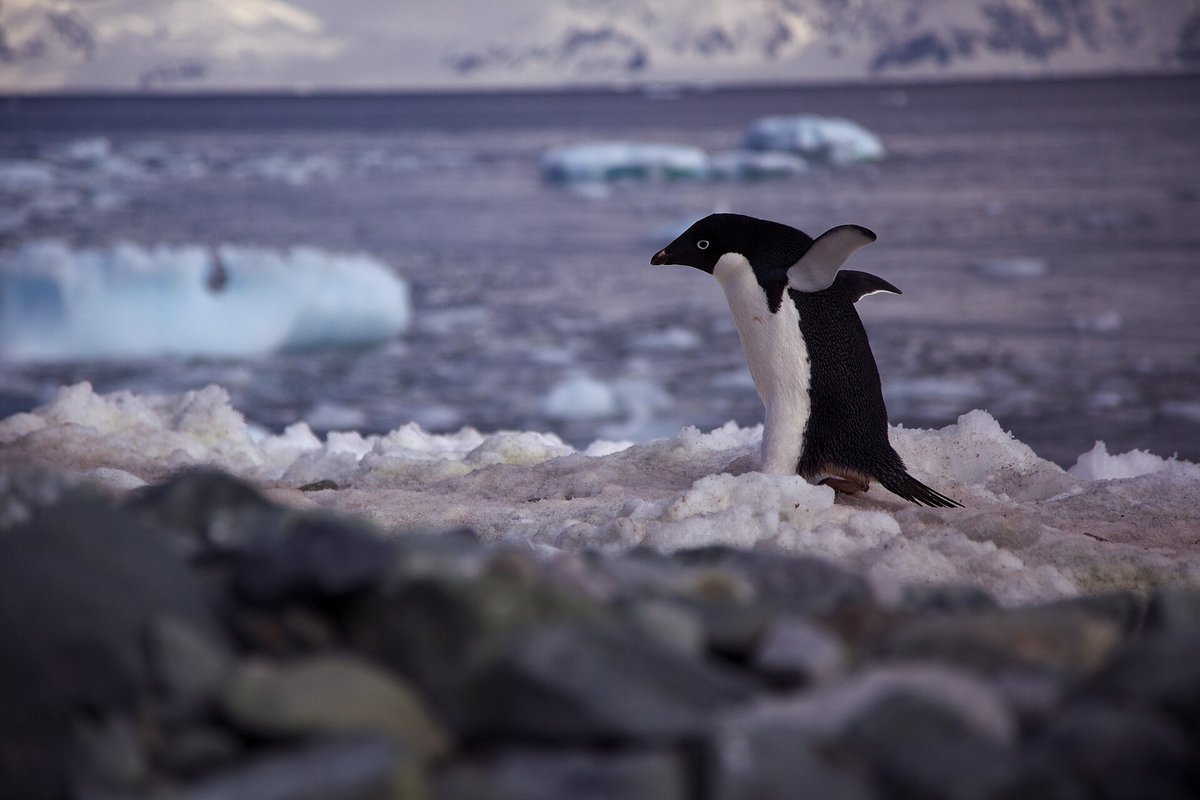
 Adélie Penguin Highway — Ross Sea Antarctica
Cape Royds, Antarctica, AQ