
Fire Salamander Migration — Eifel Germany
The fire salamander (Salamandra salamandra) autumn migration in the Eifel's beech and alder stream valleys — the Monschau Heckenland and the Rurseetal producing the finest accessible fire salamander densities in western Germany — is most concentrated on warm wet October nights when dozens of individuals can be encountered in a single 2-kilometre stream-side walk. The fire salamander's combination of its vivid yellow-and-black warning colouration, its deliberate walking pace (relying on skin toxins for defence rather than flight), and its use of stream gravels for live birth (females entering the stream to deposit larvae directly in the water) creates an encounter that combines visual beauty with behavioural observation of unusual biological interest. The Hohe Venn nature reserve's ancient beech forest, the Eifel volcanic lakes (maars) visible from the ridges above, and the October autumn colour creates a landscape context of considerable quality for Germany's most accessible amphibian spectacle.
About this spectacle
On warm, wet October nights in the Eifel's ancient beech and alder stream valleys, fire salamanders emerge in numbers that can feel almost surreal. Dozens of these bold, deliberate creatures — jet black with vivid lemon-yellow patches — may be found in a single 2-kilometre streamside walk through the Monschau Heckenland or the Rurseetal. Unlike most amphibians, fire salamanders do not bolt; they stroll, confident in their toxic skin secretions, allowing extended observation at close range. Females wade into cold, clear stream shallows to deposit live larvae directly onto gravel — a remarkable and rarely witnessed birth behaviour. The surrounding landscape amplifies the experience: Hohe Venn's ancient beech forest glows with autumn colour, volcanic maar lakes shimmer on the ridges above, and the soundscape is dominated by running water and wind through copper-toned leaves. Torchlight picks out the yellow markings against wet leaf litter with extraordinary effect. For any visitor interested in amphibians, wildlife photography, or simply the beauty of a German autumn forest, this is an encounter of real distinction.
When to go
Sep — Nov, peak Oct
Getting there
Nearest airport: CGN. Nearest city: Aachen.
Booking options
Goyova doesn't process bookings directly. When you tap "Plan this trip" in the app, you'll see options from our partner providers — accommodation, tours, transport — with affiliate links where applicable. See our affiliate disclosure for details.
More like this.
 Peak season
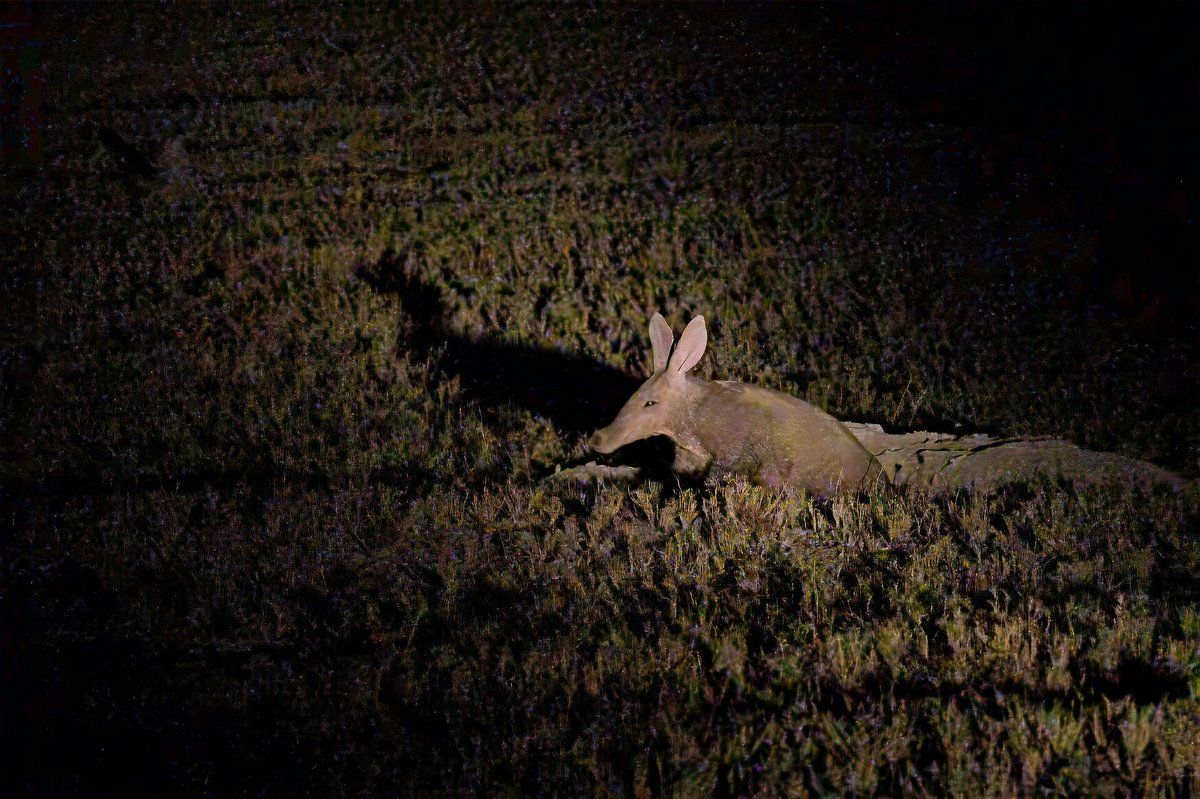
 Aardvark Night Foraging — Kalahari Botswana
Maun, Central District, BW
 Peak season
 Aardvark Night Foraging — Kalahari South Africa
Upington, Northern Cape, South Africa
 Returns Jan 2027
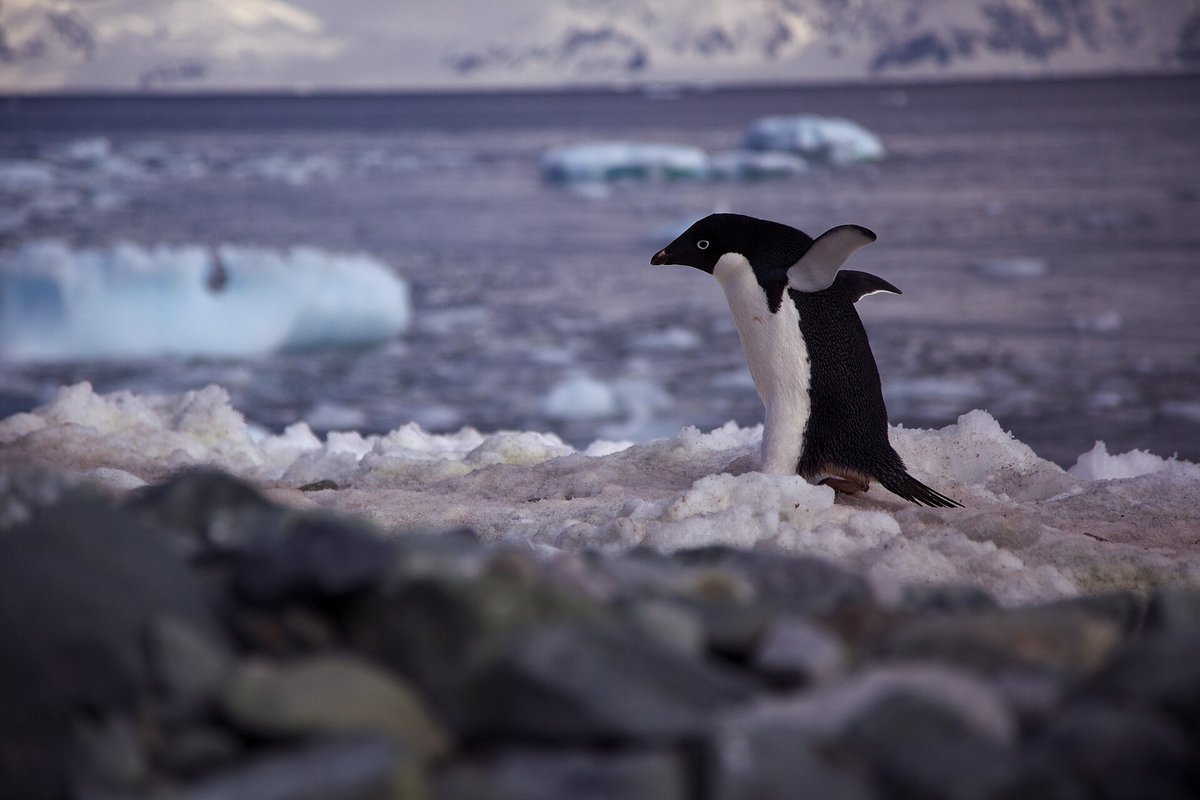
 Adélie Penguin Highway — Ross Sea Antarctica
Cape Royds, Antarctica, AQ