
European Bee-Eater Colony — Alentejo
Each May through August, the sandy river-terrace cliffs of Portugal's Alentejo region host thousands of European bee-eater pairs in nesting colonies — filling the warm afternoon air with liquid 'prruik' calls and a kaleidoscopic flash of turquoise, chestnut, yellow, and deep green plumage that seems impossibly tropical for a European country. Colonies of 50 to 500 pairs excavate metre-long burrow tunnels in the ochre cliffs above the Guadiana and Sado rivers, returning constantly with glittering dragonflies, bees, and butterflies caught on aerobatic sorties. Sitting among an active colony with birds whirring in every direction around you is one of Europe's most immersive avian experiences. Colony sites along the Guadiana valley between Mértola and Castro Verde can be found by following the calls alone. The surrounding cork-oak dehesa landscape adds further wildlife richness including great bustard, black stork, and Iberian lynx in the wider region.
About this spectacle
From May through August, the ochre sandstone cliffs flanking Portugal's Guadiana and Sado rivers erupt with one of Europe's most dazzling bird spectacles. Hundreds — sometimes thousands — of European bee-eater pairs excavate metre-long burrow tunnels in the soft terraced bluffs, and the resulting colonies are an assault on every sense. The air rings continuously with liquid 'prruik' calls echoing off warm cliff faces. Birds launch in every direction on scythe-winged sorties, returning with dragonflies and bees held crosswise in jewel-bright bills. The plumage — turquoise throat, chestnut back, lemon-yellow chin, deep green tail — looks improbable under a southern Portuguese sun yet is entirely real. Simply following the calls through the cork-oak dehesa between Mértola and Castro Verde will lead you to an active colony. The surrounding landscape brings added richness: great bustard strutting across cereal plains, black stork drifting overhead, and the possibility of Iberian lynx in the wider region. Afternoons at the cliffs, with warm light catching every wing-beat, are among the most immersive wildlife hours available in continental Europe.
When to go
May — Aug
Getting there
Nearest airport: FAO. Nearest city: Beja.
Booking options
Goyova doesn't process bookings directly. When you tap "Plan this trip" in the app, you'll see options from our partner providers — accommodation, tours, transport — with affiliate links where applicable. See our affiliate disclosure for details.
More like this.
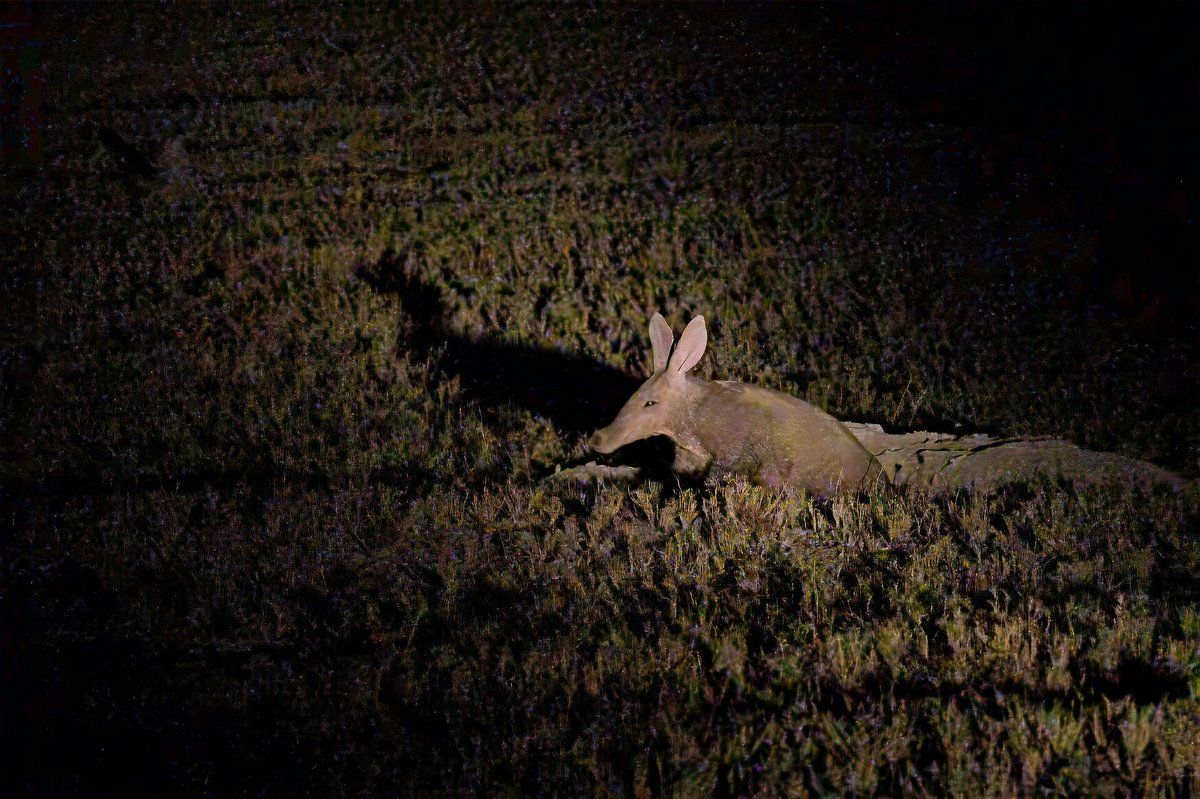 Peak season
 Aardvark Night Foraging — Kalahari Botswana
Maun, Central District, BW
 Peak season
 Aardvark Night Foraging — Kalahari South Africa
Upington, Northern Cape, South Africa
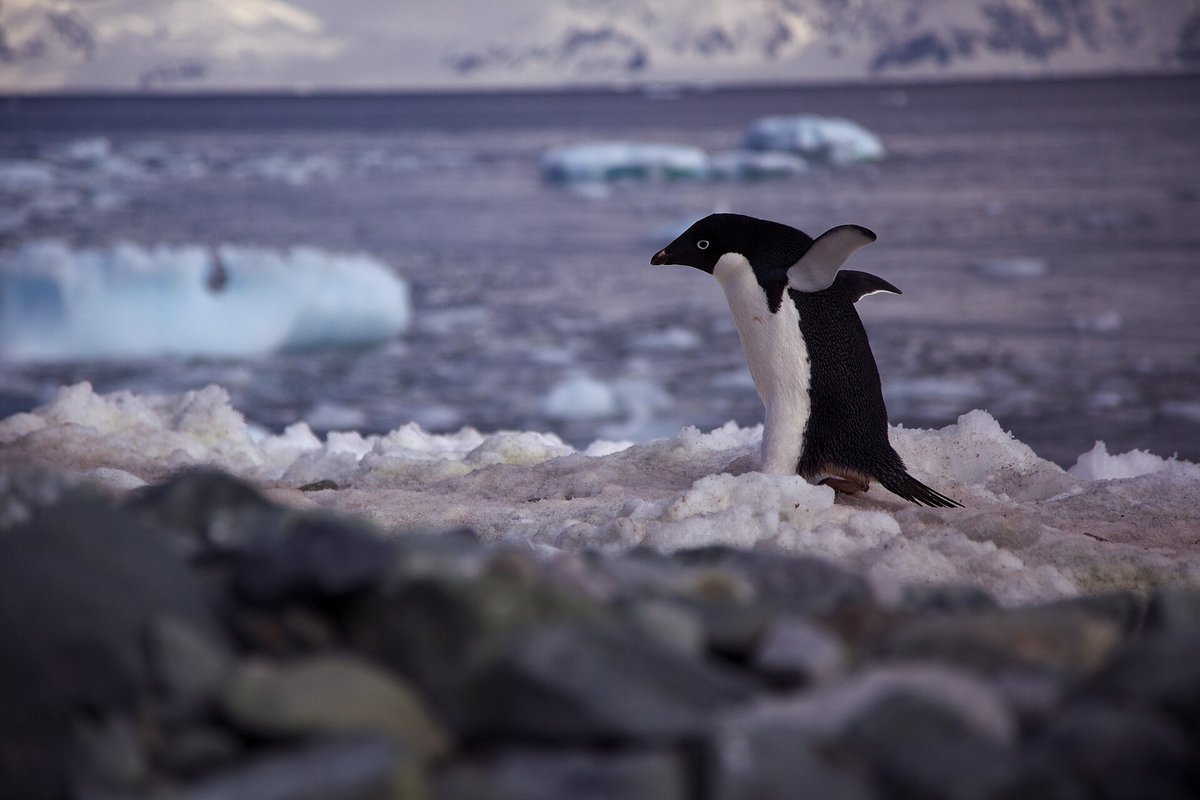 Returns Jan 2027
 Adélie Penguin Highway — Ross Sea Antarctica
Cape Royds, Antarctica, AQ