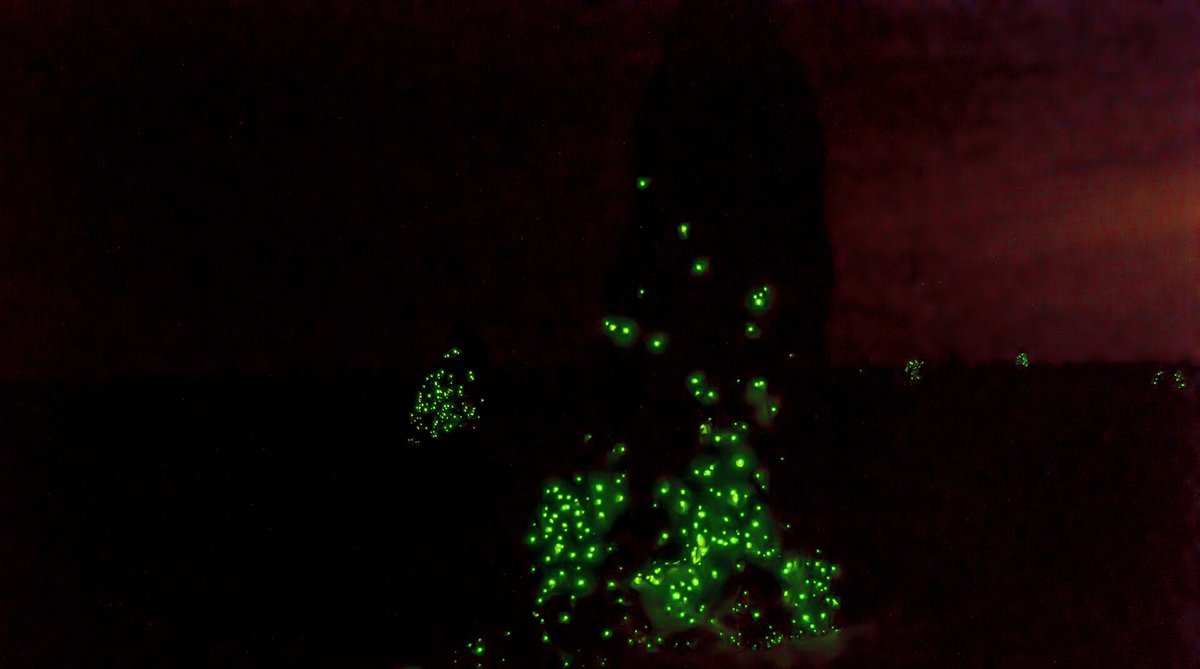
Emas Termite Mound Bioluminescence — Cerrado Brazil
The Emas National Park's termite mounds at night — the termite cathedral mounds of Syntermes dirus are colonised by the larvae of click beetles (Pyrophorus noctilucus) whose green bioluminescent organs glow from the mound's ventilation holes, creating mounds that appear lit from within at night. In October and November (when the rains soften the mound surface, allowing the larvae to reach the holes), the Emas plain's 20+ termite mounds per hectare create a landscape of hundreds of glowing green 'lanterns' extending to the horizon — one of the most surreal natural light landscapes in the world. The phenomenon's complete obscurity (virtually unknown outside Brazil), the Emas plain's accessibility by road from Mineiros, and the simultaneous presence of maned wolves, giant anteaters, and the Cerrado's extraordinary bird fauna at the same mounds during the day creates a biological encounter across day and night of exceptional multi-species richness.
About this spectacle
On the open Cerrado grasslands of Emas National Park, the night transforms the landscape into something otherworldly. Termite mounds built by Syntermes dirus — rising shoulder-high across the plain at densities of more than 20 per hectare — are riddled with ventilation holes that glow a vivid, pulsing green. The light comes from the larvae of click beetles (Pyrophorus noctilucus), which colonise the mounds and emit bioluminescence to lure prey in the darkness. As the October–November rains soften the mound crust and allow larvae to reach the surface holes, dozens to hundreds of mounds light up simultaneously, each appearing lit from within like a paper lantern. Standing on the plain, green pinpricks of light extend to the horizon in every direction, with no artificial lights competing. The silence, the warm wet-season air, and the slow rotation of stars overhead complete the sensory immersion. By day, the same mounds host foraging giant anteaters and maned wolves, while Cerrado endemics move through the grassland — giving the site a rare continuity of wildlife spectacle across the full 24-hour cycle.
When to go
Jan — Dec, peak Oct — Nov
Getting there
Nearest airport: GRU. Nearest city: Mineiros.
Booking options
Goyova doesn't process bookings directly. When you tap "Plan this trip" in the app, you'll see options from our partner providers — accommodation, tours, transport — with affiliate links where applicable. See our affiliate disclosure for details.
More like this.
 Returns Jan 2027
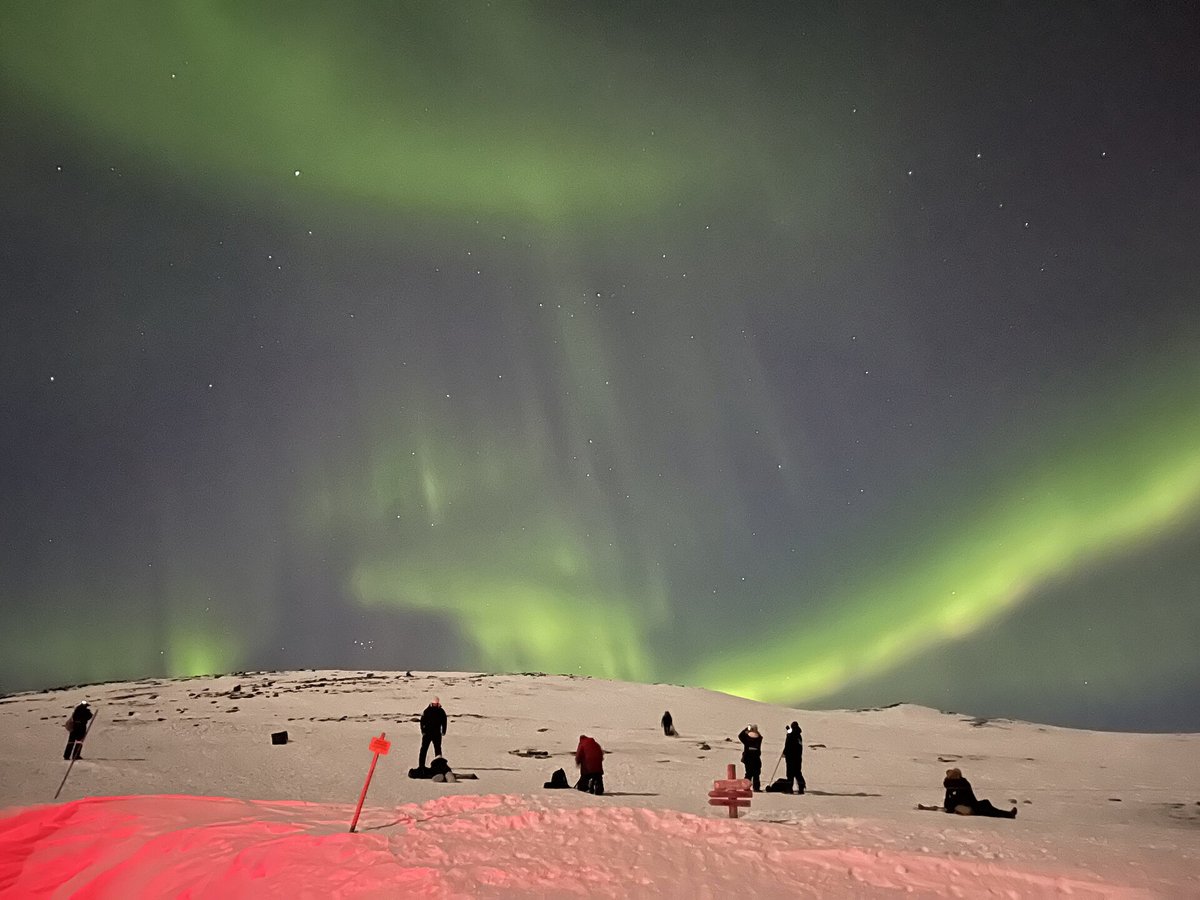
 Abisko Aurora Sky Station
Sweden
 Off-season
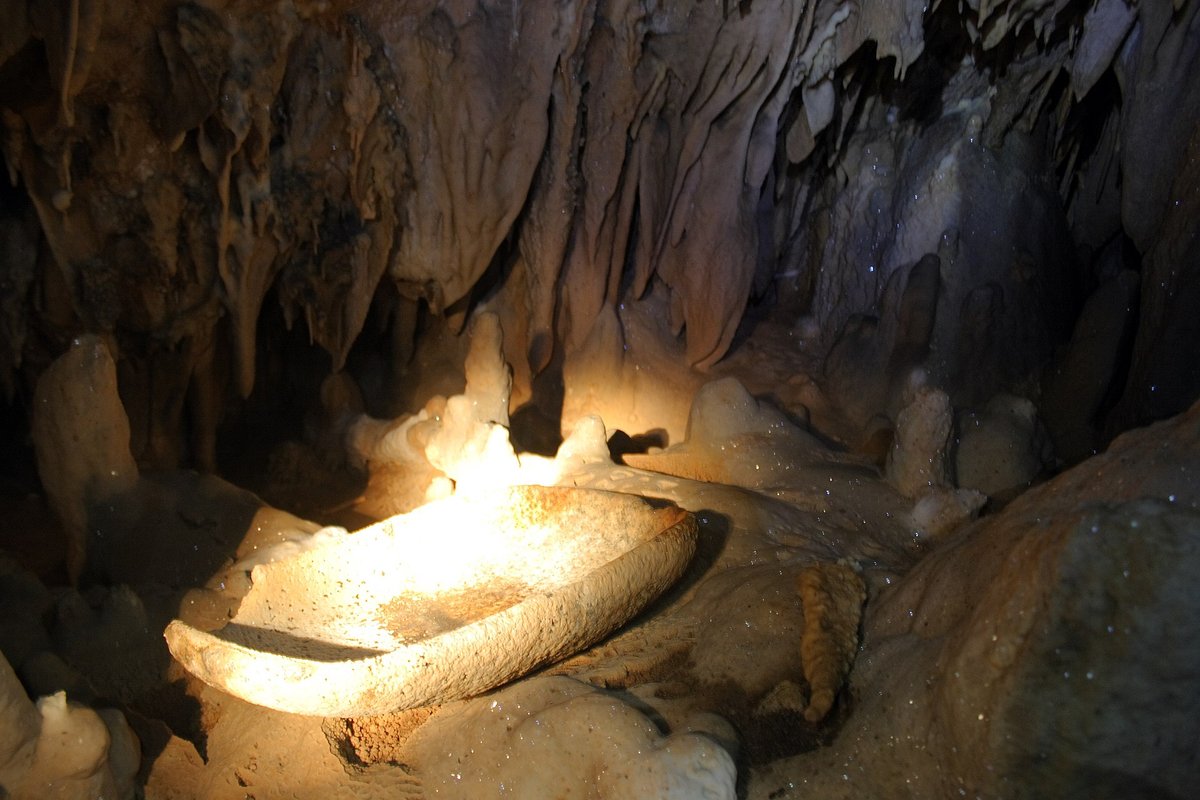
 Actun Tunichil Muknal — Cayo Belize
San Ignacio, Cayo District, BZ
 Peak season
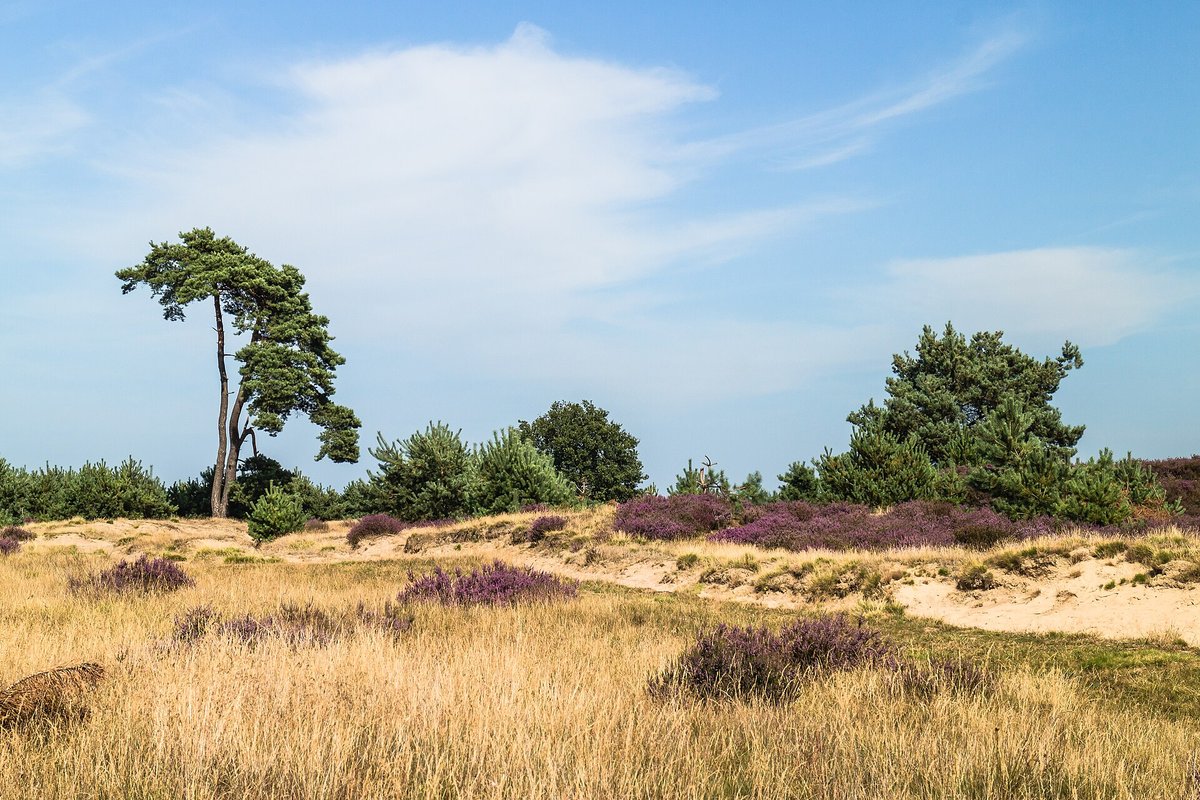
 Aekingerzand
NL