
Dugong Seagrass Grazing — Shark Bay Australia
Shark Bay's Dugong dugon population — 10,000 individuals in the UNESCO World Heritage seagrass meadows of Western Australia's Gascoyne coast, the world's largest accessible dugong population — grazes the shallow Halophila seagrass beds of the bay's inner waters in groups visible from the Monkey Mia dolphin interaction centre's beach and from tour boats. The dugong's feeding trail — a bare sand channel 30–50 centimetres wide where the animal has uprooted seagrass with its muscular lip pads — is visible from the surface at 2-metre depth, and snorkelling above a feeding dugong (following the trail to find the animal at its active end) provides one of the Indian Ocean's finest large marine mammal encounters. Shark Bay's combination of the dugong population, the Monkey Mia bottlenose dolphins, the stromatolites (living fossils 3.5 billion years in origin), and the loggerhead turtle nesting creates one of Australia's most ecologically layered day-visitor destinations.
About this spectacle
Shark Bay's shallow inner waters hold the world's largest accessible population of dugongs — around 10,000 individuals grazing the extensive Halophila seagrass meadows of this UNESCO World Heritage site. From the beach at Monkey Mia or from tour boats, visitors scan glassy shallows for the gentle arc of a surfacing dugong, its broad muzzle breaking the water before it submerges again to graze. Snorkellers can follow the distinctive feeding trails — bare sand channels 30–50 centimetres wide carved through the seagrass by the animal's muscular lip pads — to locate a feeding dugong at the trail's active end. At 2-metre depth the water is clear enough to watch the animal methodically uprooting seagrass in near silence, occasionally lifting its head. The same visit can include the famous Monkey Mia bottlenose dolphins approaching the shore each morning, making this one of the most ecologically rich day-visitor experiences in Australia's Indian Ocean coast. Mornings offer the calmest conditions and best water clarity.
When to go
Jan — Dec, peak Oct — Mar
Getting there
Nearest airport: MJK. Nearest city: Geraldton.
Booking options
Goyova doesn't process bookings directly. When you tap "Plan this trip" in the app, you'll see options from our partner providers — accommodation, tours, transport — with affiliate links where applicable. See our affiliate disclosure for details.
More like this.
 Peak season
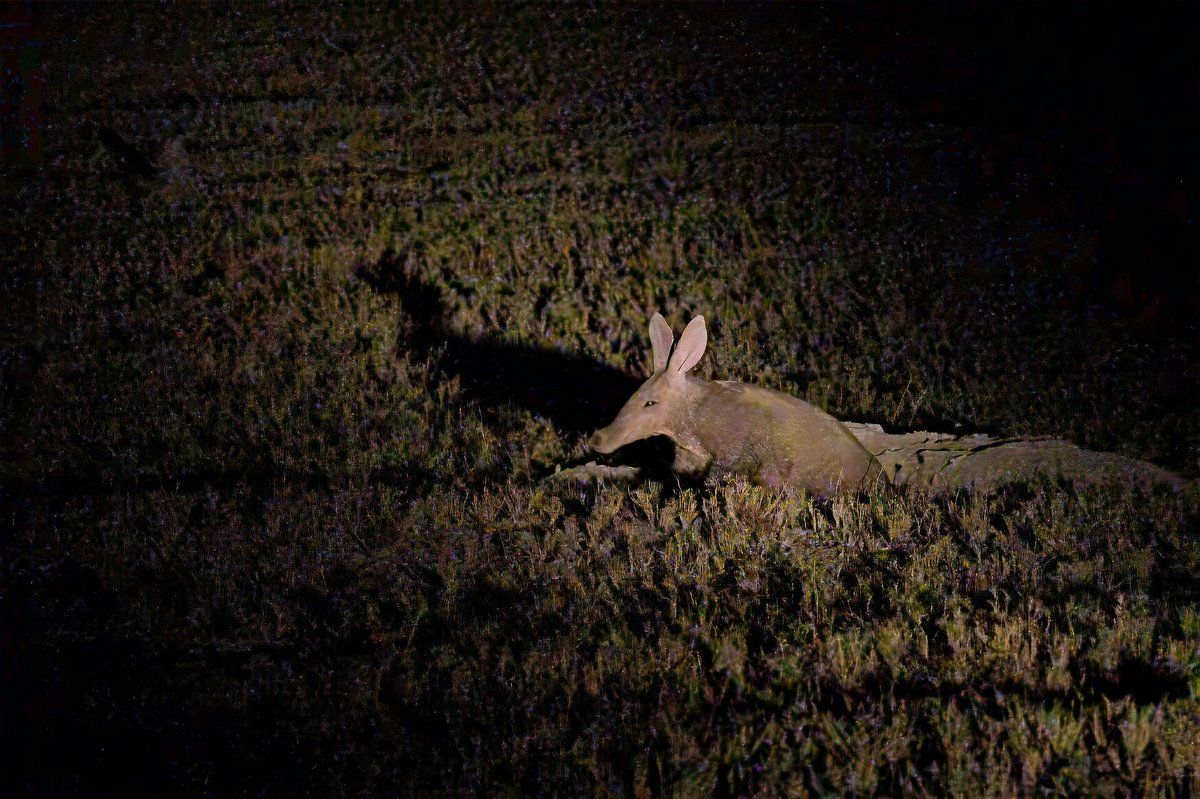
 Aardvark Night Foraging — Kalahari Botswana
Maun, Central District, BW
 Peak season
 Aardvark Night Foraging — Kalahari South Africa
Upington, Northern Cape, South Africa
 Returns Jan 2027
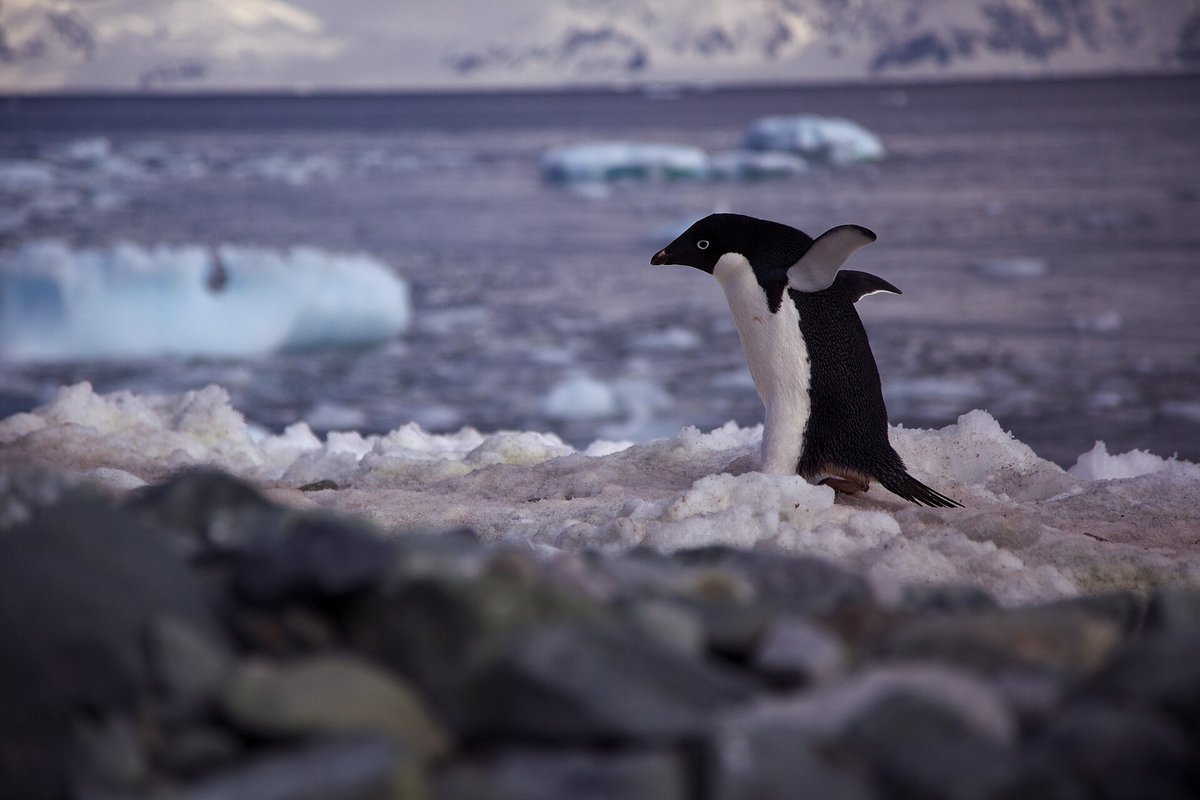
 Adélie Penguin Highway — Ross Sea Antarctica
Cape Royds, Antarctica, AQ