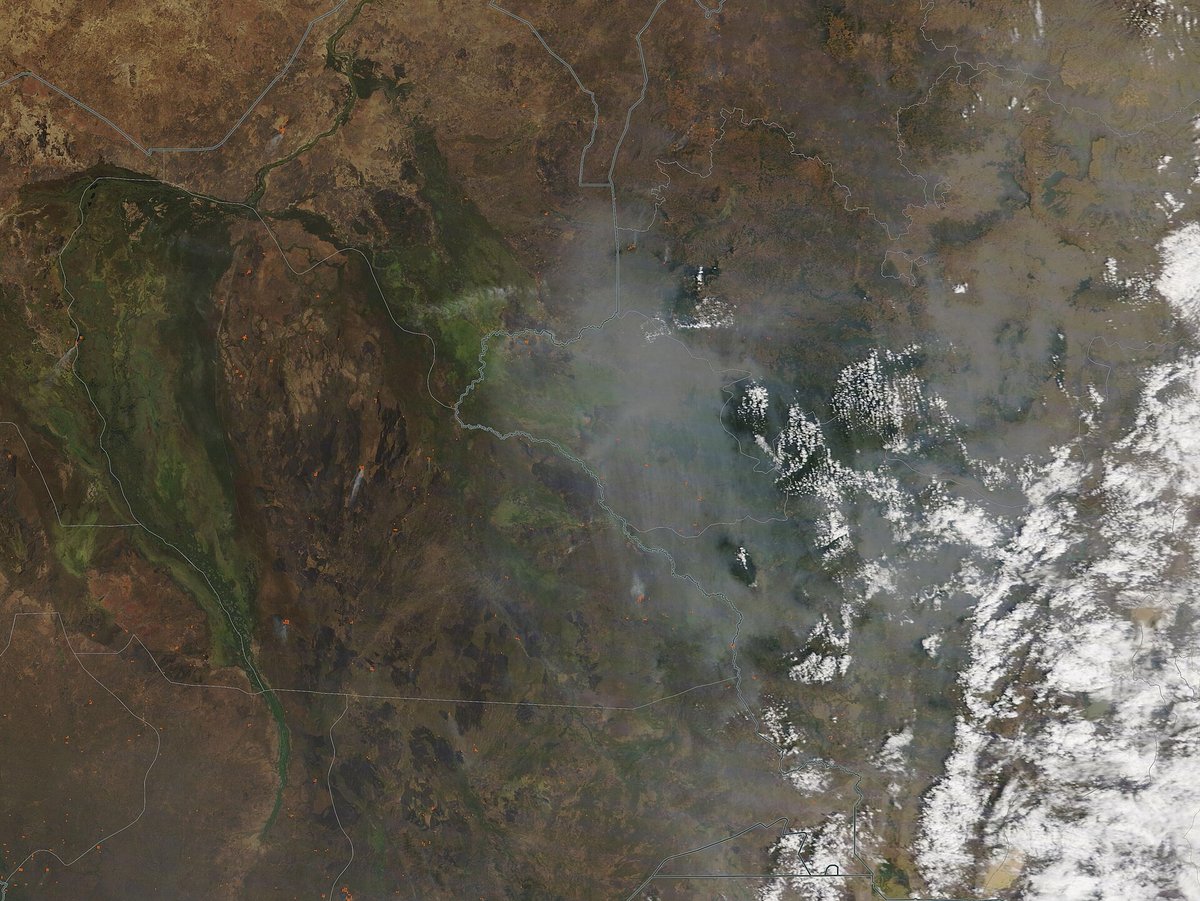
African Savanna Controlled Burn — Kruger South Africa
The controlled burn of Kruger National Park's grassland sections from March through August — walls of orange flame advancing across the tawny dry-season grass in the late afternoon, the animals' displacement (zebra, wildebeest, and impala running ahead of the fire line, the ground hornbills and fork-tailed drongos hunting the insects and small reptiles fleeing the fire edge) creating Africa's most dynamic wildlife movement event outside the migrations — is visible from Kruger's game roads as a landscape-scale ecological process directly observed. The following morning's green flush (the fire's ash releasing nutrients, the first green grass blades visible within 48 hours of a burn in the wet season) and the concentrated animal grazing on the fresh growth (buffalo and waterbuck responding within days) creates a complete ecological cycle observable within a single Kruger visit. The fire's role as the savanna's 'ecological reset' button — maintaining the grass-tree balance that defines the savanna landscape — gives the observation an ecosystem management significance visible in real time.
About this spectacle
Standing on Kruger's game roads in the dry-season afternoon, you watch walls of orange flame advance across tawny grassland, smoke columns rising against the wide African sky. Ahead of the fire line, zebra, wildebeest, and impala surge in tight groups — a compressed wildlife movement unlike any ordinary game drive. Ground hornbills pace the fire's edge methodically, while fork-tailed drongos dart through smoke, snatching fleeing insects and small reptiles. The heat is palpable, the crackle of burning grass audible from the vehicle. By the following morning the landscape transforms: grey ash gives way to the first vivid green blades within 48 hours, and buffalo and waterbuck arrive on the regenerating sward, completing a visible ecological cycle. The interplay of fire, soil, grass, and grazing animal — the savanna's fundamental rhythm — unfolds as a single, continuous, landscape-scale process that visitors witness from start to fresh-growth recovery within one extended stay.
When to go
Jan — Dec, peak Mar — Aug
Getting there
Nearest airport: HDS. Nearest city: Phalaborwa.
Booking options
Goyova doesn't process bookings directly. When you tap "Plan this trip" in the app, you'll see options from our partner providers — accommodation, tours, transport — with affiliate links where applicable. See our affiliate disclosure for details.
More like this.
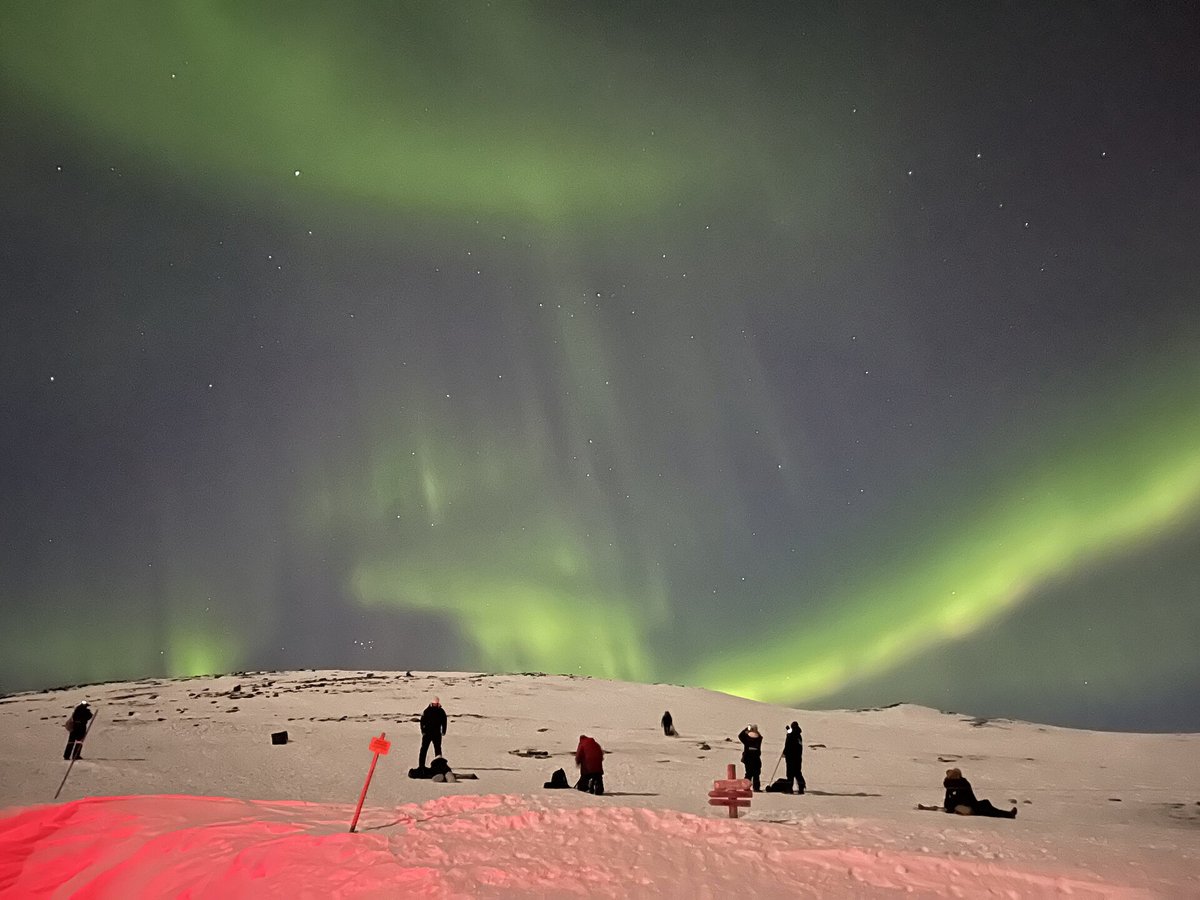 Returns Jan 2027
 Abisko Aurora Sky Station
Sweden
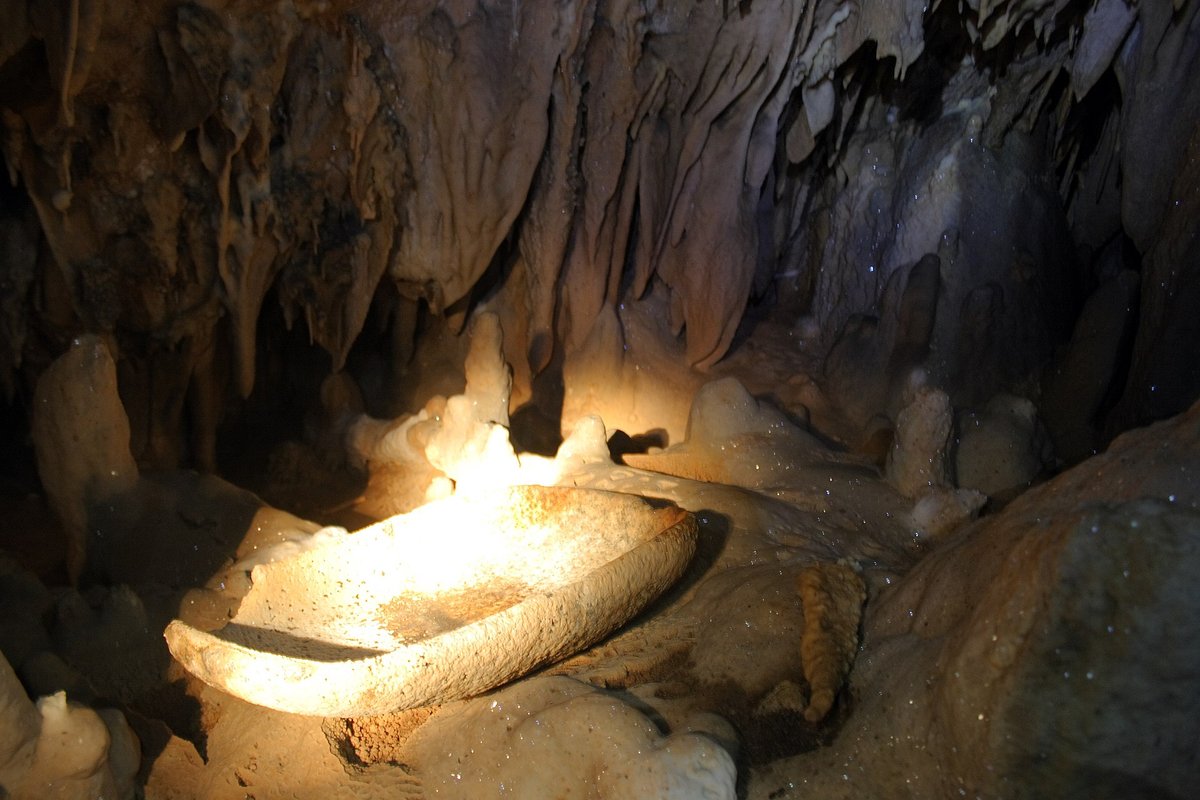 Off-season
 Actun Tunichil Muknal — Cayo Belize
San Ignacio, Cayo District, BZ
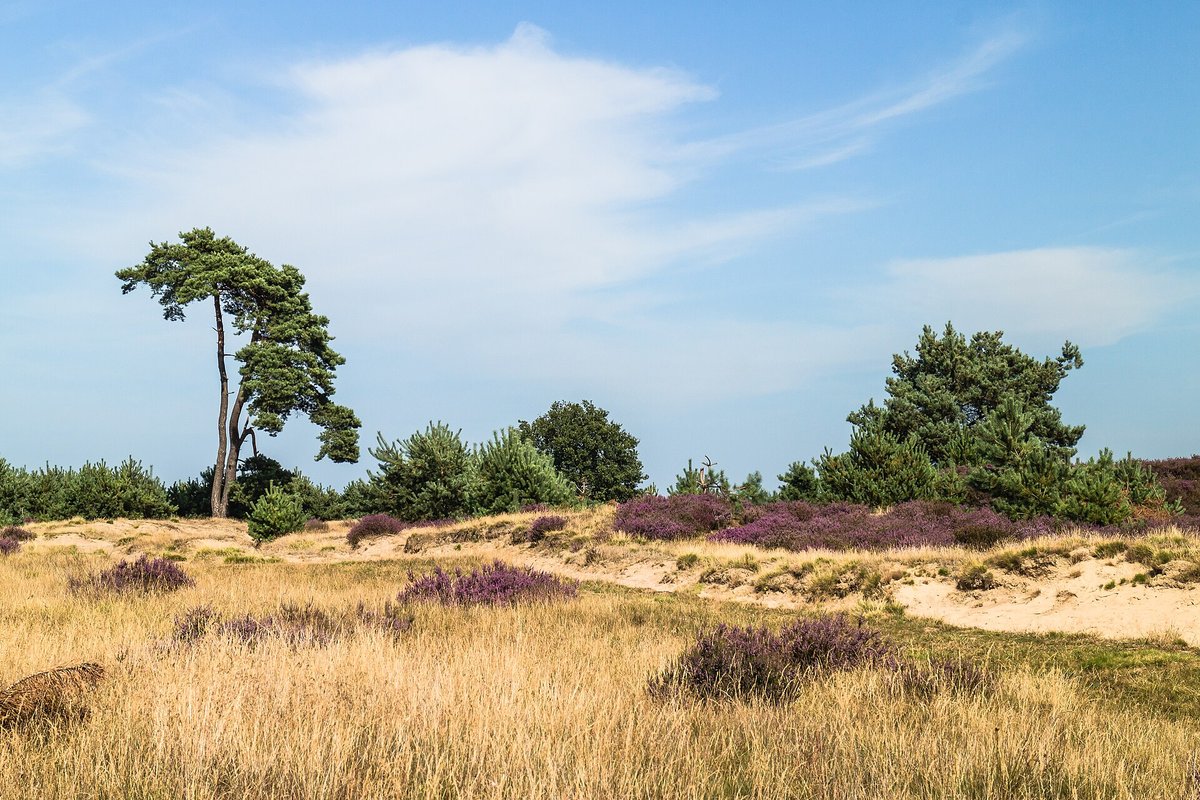 Peak season
 Aekingerzand
NL